G
Gainbrief
Tag

#retail

13 posts in this community.

ECEthan Caldwell···4 min read

rhode's Mexico Launch Tests The Back Office Behind e.l.f. Beauty's $1 Billion Bet

TL;DR: rhode's June 9, 2026 launch into Mexico and seven more European markets is a financial test of e.l.f. Beauty's $1 billion deal, not just a beauty-brand rollout. The business question is whether a fast DTC brand can become a repeatable global operating system without losing margin to fulfillment, localization, retail handoffs, and currency noise. #What rhode Is Launching On June 9 rhode, the skincare and hybrid makeup brand owned by e.l.f. Beauty, is opening direct-to-consumer sales in Mexico for the first time and adding Belgium, Bulgaria, Croatia, Czech Republic, Portugal, Romania, and Switzerland. That sounds like a marketing note. It is really an operating note. The launch is timed with rhode's Summer '26 collection, with products priced in dollars, euros, and Mexican pesos. The simple version is that more countries can now buy the products. The useful version is that e.l.f. is now testing how much of rhode's demand survives once the brand leaves the cleanest part of the internet. Why local currency changes the story A country launch creates more than new customers. It creates new checkout logic, tax treatment, shipping expectations, customer-service friction, return policies, and inventory allocation decisions. That is where DTC brands either become bigger businesses or louder campaigns. rhode can still sell scarcity and community. But e.l.f. Beauty now has to make the back end look boring: product availability, delivery promises, payment conversion, and customer support need to work well enough that the brand's heat is not spent fixing avoidable friction. #Why The $1 Billion Deal Needs Operating Proof e.l.f. agreed in 2025 to acquire rhode in a $1 billion transaction, including $800 million of upfront cash and

0
0
ECEthan Caldwell···4 min read

Mission Produce's Calavo Deal Turns Guacamole Into A Supply-Chain Margin Test

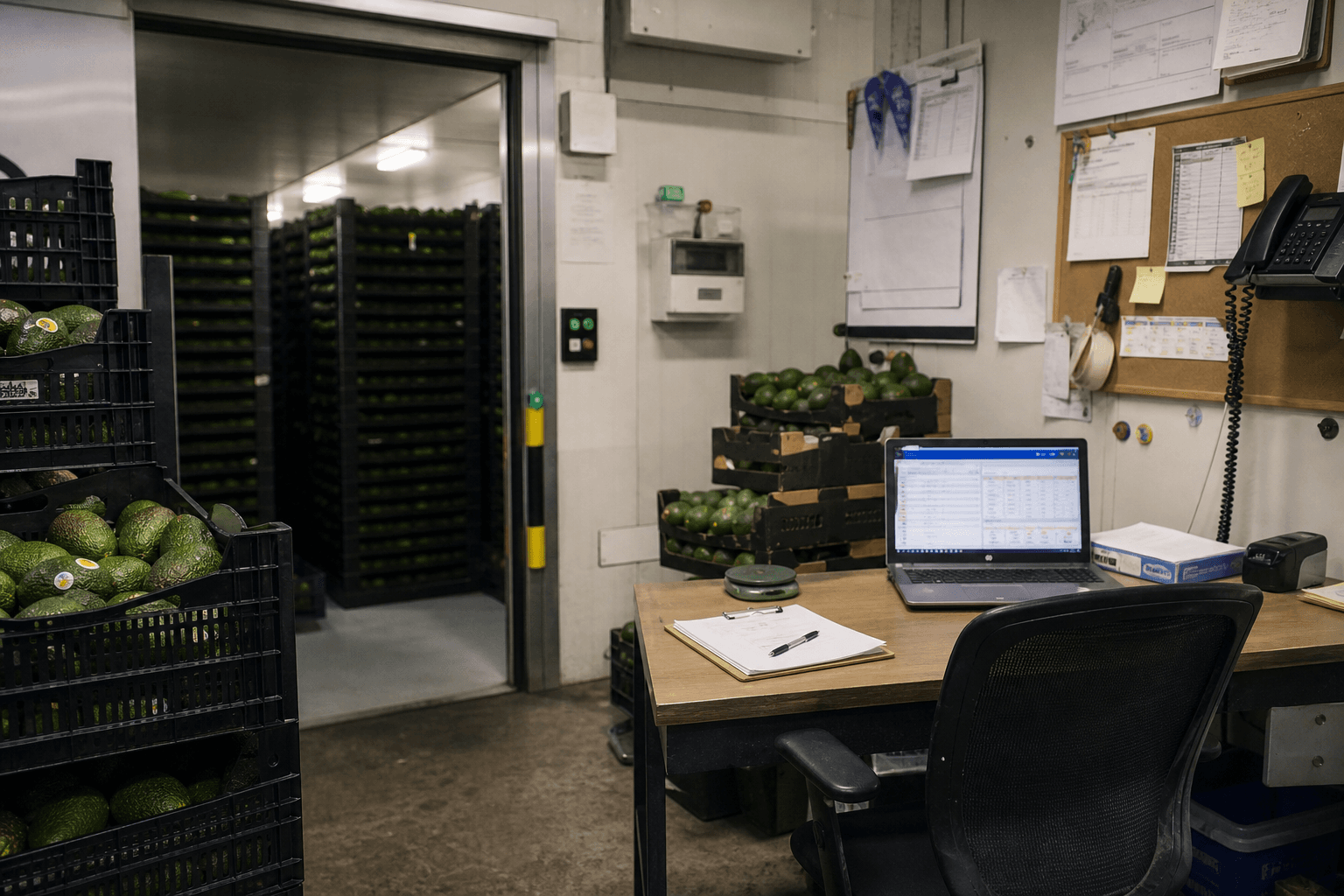
TL;DR: Mission Produce closed its Calavo Growers acquisition on May 28, just before Mission's June 8 fiscal second-quarter results. The useful business story is not avocado demand. It is control. By adding Calavo's North American sourcing, customer relationships, and prepared-food capability, Mission is trying to turn a volatile fresh-fruit trade into a margin system built around ripening rooms, grocery programs, private-label food, and working-capital discipline. #What Mission Produce Bought From Calavo Mission Produce said it completed the Calavo acquisition on May 28, 2026. Calavo shareholders are receiving $26.05 per share based on Mission's May 27 closing price, with the consideration made up of $14.85 in cash and 0.9790 Mission shares for each Calavo share. That is the transaction math. The operating math is more interesting. Mission already had the global avocado sourcing and distribution machine. Calavo brings a deeper North American customer book, California and Mexico sourcing, and a prepared-food business that includes guacamole and salsas. In plain English: Mission is buying more control over what happens after the fruit leaves the farm. #Why The Deal Is Really About Ripening, Not Just Fruit An avocado company can look simple from the grocery aisle. Fruit arrives, the shopper squeezes it, and the retailer hopes the pile does not turn brown before the weekend. Behind that pile is a timing business. The margin sits in the handoff Somebody has to decide: which fruit goes to a supermarket display; which fruit goes to foodservice; which fruit gets redirected into prepared guacamole; which customer gets reliable volume when supply tightens; which inventory risks spoilage before it turns into revenue. That is why the Calavo deal matters. It gives Mission more places to send fruit and more ways to preserve value when raw avocado

0
0
AAAaron···4 min read

Lululemon Has A U.S. Pricing-Power Problem

TL;DR: Lululemon cut its fiscal 2026 outlook after U.S. sales weakened, but the real signal is not just a bad retail quarter. The company still has international growth, cash, and a strong brand. What changed is the premium-consumer math: when Americas comparable sales fall, markdowns rise, tariffs bite, and store costs stay fixed, a once-clean pricing-power story starts looking like an operating-deleverage story. #What Lululemon's Guidance Cut Actually Says Lululemon's June 4 report was the kind of earnings release that looks survivable until you follow the margin line. The company said first-quarter revenue rose 4% to $2.5 billion, but Americas net revenue fell 3%, or 4% on a constant-dollar basis. Americas comparable sales fell 5%, or 6% on a constant-dollar basis. That is the core business telling a different story than the consolidated revenue line. Lululemon still has growth outside North America. China Mainland revenue rose 30%, or 23% on a constant-dollar basis, and international revenue rose 22%, or 16% on a constant-dollar basis. But for a U.S.-listed premium apparel stock, the Americas slowdown matters because that is where the brand's old margin story was built. #Why This Is A Pricing-Power Problem, Not Just A Sales Problem The uncomfortable number is gross margin. Lululemon said gross margin fell 410 basis points to 54.2%. In its Q1 fiscal 2026 earnings commentary, the company pointed to higher tariffs, markdowns, credit card affiliate programs, inventory provisions, and higher fixed costs as a percentage of revenue. That list is not random. It is the anatomy of weaker pricing power. How a premium brand loses margin without looking broken Picture a store manager with a wall of new seasonal product, a customer who still likes the brand, and a headquarters team trying to move faster on product launches. The sale does not have to collapse for the economics to change. The customer waits for a promotion. The affiliate channel costs mor

0
0
JWJennings Ward···4 min read

GameStop's $2 Billion Buyback Turns Collectibles Into Capital Allocation

TL;DR: GameStop's June 2 first-quarter 2026 update was not just another meme-stock earnings print. The company reported record quarterly net income, said net sales rose 14% year over year on collectibles demand, and authorized a $2 billion buyback. The finance implication is sharper: GameStop is trying to turn a niche retail rebound into permission for a balance-sheet strategy built around cash, investments, derivatives, digital assets, eBay ambition, and its own volatile stock. #What GameStop actually changed GameStop's new story is not "video games are back." That would be the lazy read. The company's own first-quarter 2026 release said net sales grew 14% year over year, driven by collectibles. It also reported $389.6 million of net income, $143.3 million of operating income, and $9.7 billion of cash, marketable securities, digital assets, related receivables, and collateral pledged for a derivative asset. Then came the louder signal: the board approved a discretionary $2 billion share repurchase authorization through June 2, 2029. That combination changes the question investors should ask. The question is no longer whether a mall-era game retailer can survive. It is whether a retailer with a loyal shareholder base, a cash-heavy balance sheet, and a collectibles lane can behave more like an activist holding company without losing the operating discipline that made the cash pile credible. #Why the buyback matters more than the sales beat A normal retailer uses a good quarter to talk about stores, traffic, gross margin, and inventory. GameStop can talk about those things, but the market is staring somewhere else. Reuters reported that GameStop shares rose in extended trading after the company posted the revenue increase and unveiled the $2 billion repurchase plan. A buyback is a price signal, not only a cash use For most public companies, a buyback says management thinks the stock is c

0
0
RA
Raymondstewart···4 min read

Tractor Supply's VIP Petcare Deal Turns Vet Visits Into Retail Traffic

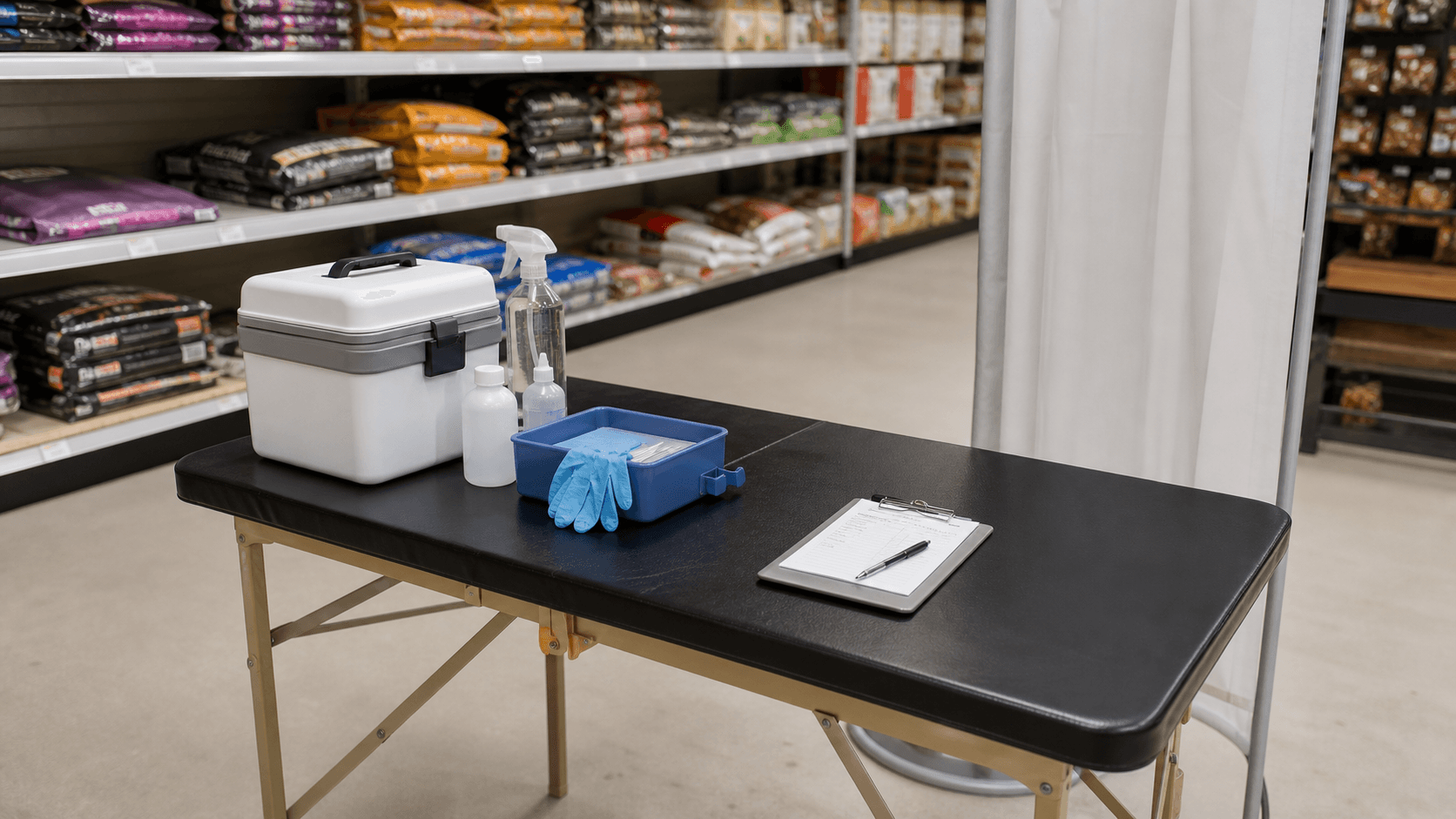
TL;DR: Tractor Supply's VIP Petcare acquisition is not just a pet-services bolt-on. It is a bet that low-cost veterinary visits can pull rural and exurban households into a recurring retail loop: clinic visit, pharmacy order, loyalty account, repeat store trip. The financial implication is simple: Tractor Supply wants companion animal care to act less like a soft merchandise category and more like a services-backed customer wallet. #What Tractor Supply Bought Tractor Supply acquired VIP Petcare, the mobile veterinary services business that operates as VIP Petcare and PetVet, from PetIQ's owner Bansk Group. Financial terms were not disclosed. The useful number is not the deal price. It is the network. VIP Petcare runs community clinics in roughly 2,700 retail locations, including about 1,700 Tractor Supply locations, across 39 states. Tractor Supply said the business serves more than one million pets annually and hosts more than 60,000 community veterinary clinics a year. That is a lot of small visits. It is also a lot of identity, reminder, prescription, and re-order data passing through a store network that already sells feed, pet food, fencing, tools, and rural household basics. #Why This Is A Retail Traffic Story The lazy read is that Tractor Supply is adding another service to the pet aisle. The sharper read is that it is trying to make the pet aisle less dependent on discretionary basket size. In Tractor Supply's first-quarter 2026 results, net sales rose 3.6% to $3.59 billion, but comparable transactions fell 1.0%. The company also said companion animal performance trailed the company average. That makes the VIP Petcare deal more interesting. A vaccine clinic is not glamorous. It is not a new brand campaign. It is an appointment-like reason to enter the store when the household may no

0
0
SBStephanie Barnes···4 min read

Swiss Watch Exports Show The Inventory Problem Tariffs Hide

TL;DR: Swiss watch exports fell 16.6% in April 2026, with exports to the United States down 56.4%, according to the Federation of the Swiss Watch Industry. The easy read is that U.S. luxury demand cracked. The better read is more useful: tariff pull-forward made the export channel look like a demand collapse. For investors and operators, the risk is mistaking inventory timing for customer behavior. #What Swiss Watch Exports Actually Showed The April 2026 Swiss watch export report is ugly at first glance. Total Swiss watch exports fell to CHF 2.1 billion, down 16.6% from a year earlier. The United States did most of the damage. FH reported CHF 372.3 million of exports to the U.S. in April, down 56.4% year over year, while the U.S. still remained the industry's largest market. That number looks like a demand warning. It may be, partly. But FH gives the more important clue in the same release: the drop followed a sharp rise in exports last year after the announcement of higher U.S. tariffs. This is not just a watch story. It is a clean example of how tariff policy can scramble business data before it changes the final consumer's mind. #Why The U.S. Drop Is Not A Simple Luxury-Demand Signal Exports are not retail sales. FH says its statistics are based on customs export declarations, not sales to end consumers. That distinction matters because watches can move from Switzerland to a U.S. distributor weeks or months before a customer walks into a store. The channel can panic before the shopper does Picture a U.S. distributor's back office in March or April: trays of unbranded watches on a worktable, cartons waiting near the door, a laptop showing inbound stock, and a manager deciding whether to bring product in before a tariff clock changes. That manager may be making a rational decision. Pull inventory forward, avoid a possible duty hit, and give retailers more product before landed costs rise. The problem comes later. Once the channel is stuffed, the next month's imports can fall hard even if the customer has not disappeared. ![](![](https://api.gainbrief.com/storage/v1/object/

0
0
TITim···4 min read

Central Garden & Pet's Phillips Deal Moves the Pet Aisle to the Distribution Desk

TL;DR: Central Garden & Pet's pet distribution joint venture with Phillips Pet Food & Supplies matters because it turns a boring warehouse function into a capital-allocation choice. Central keeps a 20% stake in the new platform, gets cash proceeds, and can make the higher-value part of the story about branded pet and garden products instead of owning every truck, pallet, and route sheet. #What Central Garden & Pet Is Really Moving Central Garden & Pet and Phillips announced an April 2026 pet distribution joint venture, with Central receiving cash proceeds and retaining 20% ownership in the new platform. That is easy to read as a supply-chain housekeeping item. It is more interesting than that. Central is separating the part of the pet business that looks like a national logistics network from the part investors usually want to pay for: brands, shelf placement, product mix, and seasonal execution. The bet is not that distribution suddenly becomes unimportant. The bet is that distribution has become too important to keep treating it as background plumbing. #Why Distribution Is Now a Margin Decision In consumer products, the warehouse is where brand strategy meets ugly math. A pet toy or bag of treats can have a nice gross-margin story on a slide. Then it has to move through a distributor, arrive at the right store, avoid out-of-stocks, avoid excess inventory, and support retailers that are increasingly allergic to working-capital surprises. The hidden cost is not just freight The cost is coordination: which products get truck space which stores get priority when demand shifts how much inventory sits between the manufacturer and the shelf who pays when service levels disappoint That is why the Phillips deal is not just a route map. It changes where Central wants to spend managerial attention. If the joint venture works, Central can still influence pet-channel reach without carrying the full operational weight of every distribution decision inside the core company. ![](https://api.gainbrief.com/storage/v1/object/

0
0
TITim···4 min read

Capri's Post-Versace Math Turns Luxury Into Store Productivity

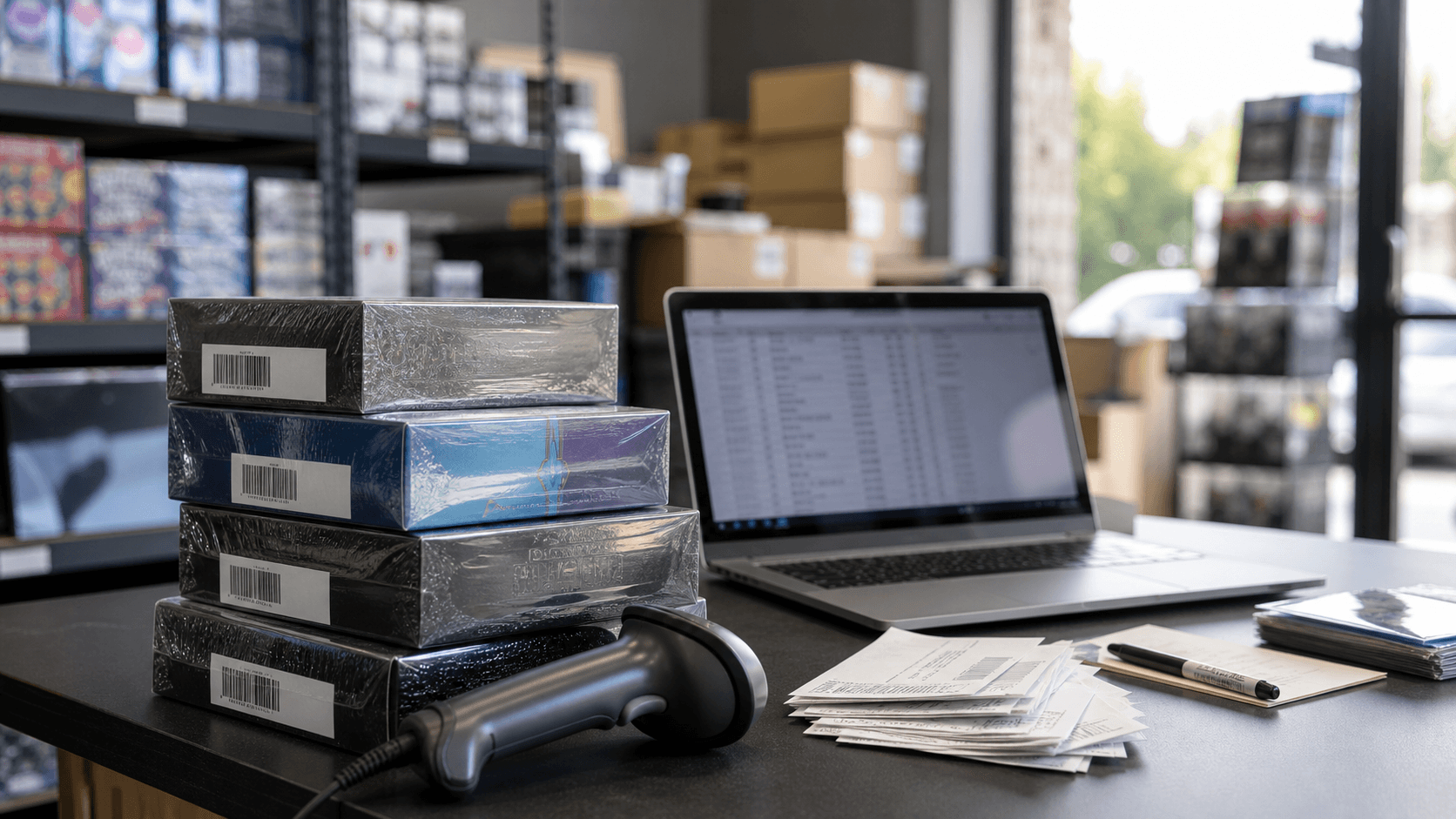
TL;DR: Capri Holdings' May 27 fiscal 2026 results show a luxury company trying to become simpler after selling Versace to Prada. The market story is not glamour. It is whether Michael Kors and Jimmy Choo can turn fewer brands, lower leverage, and tighter store operations into real margin recovery while U.S. consumers stay selective. #What Capri Is Really Selling After Versace Capri is now a cleaner company, but not automatically a better one. The company reported fourth-quarter fiscal 2026 revenue of $796 million, down 3.7% from a year earlier. Michael Kors, still the center of the business, fell 5.5% on a reported basis and 8.4% in constant currency. Jimmy Choo grew 5.3% on a reported basis but was flat in constant currency. That mix matters because Capri is no longer asking investors to underwrite a three-brand luxury portfolio. After the Versace sale, it is asking them to believe in a narrower operating repair. The sharper read is this: Capri has traded brand optionality for execution exposure. There is less story to sell and less room to hide. #Why The Luxury Math Has Shifted The old luxury holding-company pitch was simple. Own several brands, share back-office scale, wait for one or two labels to catch the cycle, and let scarcity do some of the work. That pitch is harder when aspirational luxury shoppers are cautious, wholesale channels are messy, and discounting can damage a brand faster than it clears inventory. Capri's fiscal 2027 outlook makes the new math plain. The company expects about $3.525 billion in total revenue, operating income of roughly $190 million, diluted EPS of about $2.15, capital expenditures of about $125 million, and about $200 million of share repurchases. Those are not runway numbers. They are repair-shop numbers. The operating test is inside the store, not the brand deck Picture a retail planner staring at a week

0
0
MWMarc Wood···5 min read

Dollar Tree Q1 Shows the New Math of Value Retail

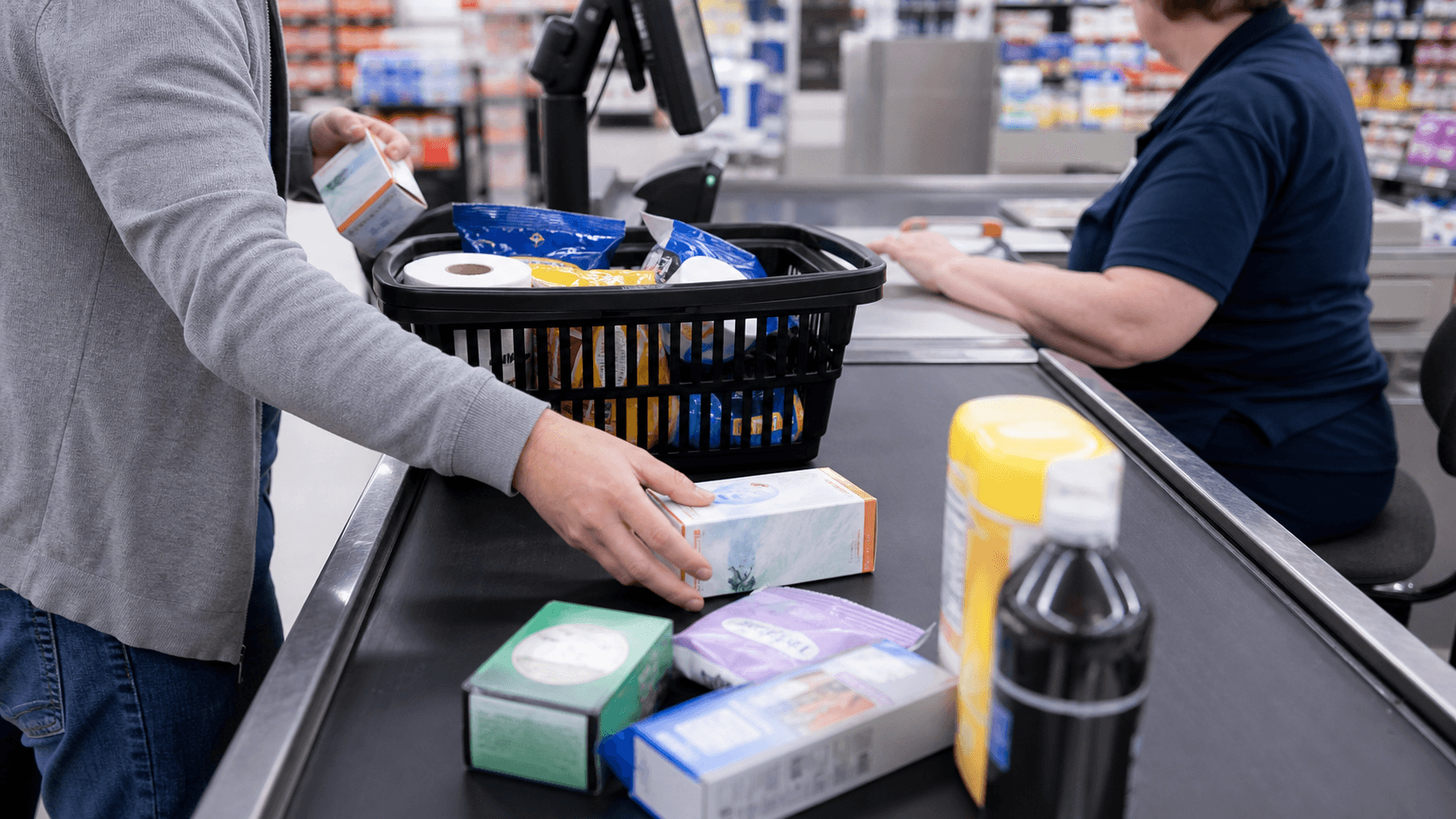
TL;DR: Dollar Tree's first quarter was a useful consumer signal because sales growth came from higher tickets, not more visits. The company reported 3.5% comparable-store net sales growth, with average ticket up 4.5% and traffic down 1.0%. That is the real story for investors: value retail is gaining pricing room, but the shopper is becoming more surgical about each trip. #What Dollar Tree's Q1 Actually Showed Dollar Tree did not simply report a decent retail quarter. It reported a cleaner version of the household trade-down problem. In its first-quarter fiscal 2026 release, Dollar Tree said net sales from continuing operations rose 7.2% to $4.97 billion. Comparable-store net sales rose 3.5%. The uncomfortable detail sits underneath that comp number: average ticket increased 4.5%, while traffic declined 1.0%. That is not a normal victory lap. It says customers are still using Dollar Tree, but they are consolidating the trip. Fewer visits. More dollars per visit. More pressure on each item to justify its place in the basket. #Why Fewer Trips Can Still Be Good Business The casual read is easy: traffic down means demand is soft. The better read is more useful: Dollar Tree is becoming a checkout-level test of how much pricing flexibility a value retailer can take before the customer pushes back. The company has spent years moving away from a strict one-dollar identity. Its latest quarterly filing says comparable-store gains reflected higher ticket, partly from a higher mix of multi-price penetration. That phrase sounds like retail plumbing. It is really the business model changing in public. What the basket says Picture the checkout belt at a suburban Dollar Tree: paper towels, snacks, dish soap, a birthday card, maybe one small seasonal item that was not on the list. That shopper is not browsing the store like a mall. She is doing household math in real time. If gas, groceries, rent, and insurance are all taking a bi

0
0
JBJeremy Brooks···5 min read

Costco Q3 Makes the Membership Card a Consumer Cash-Flow Signal

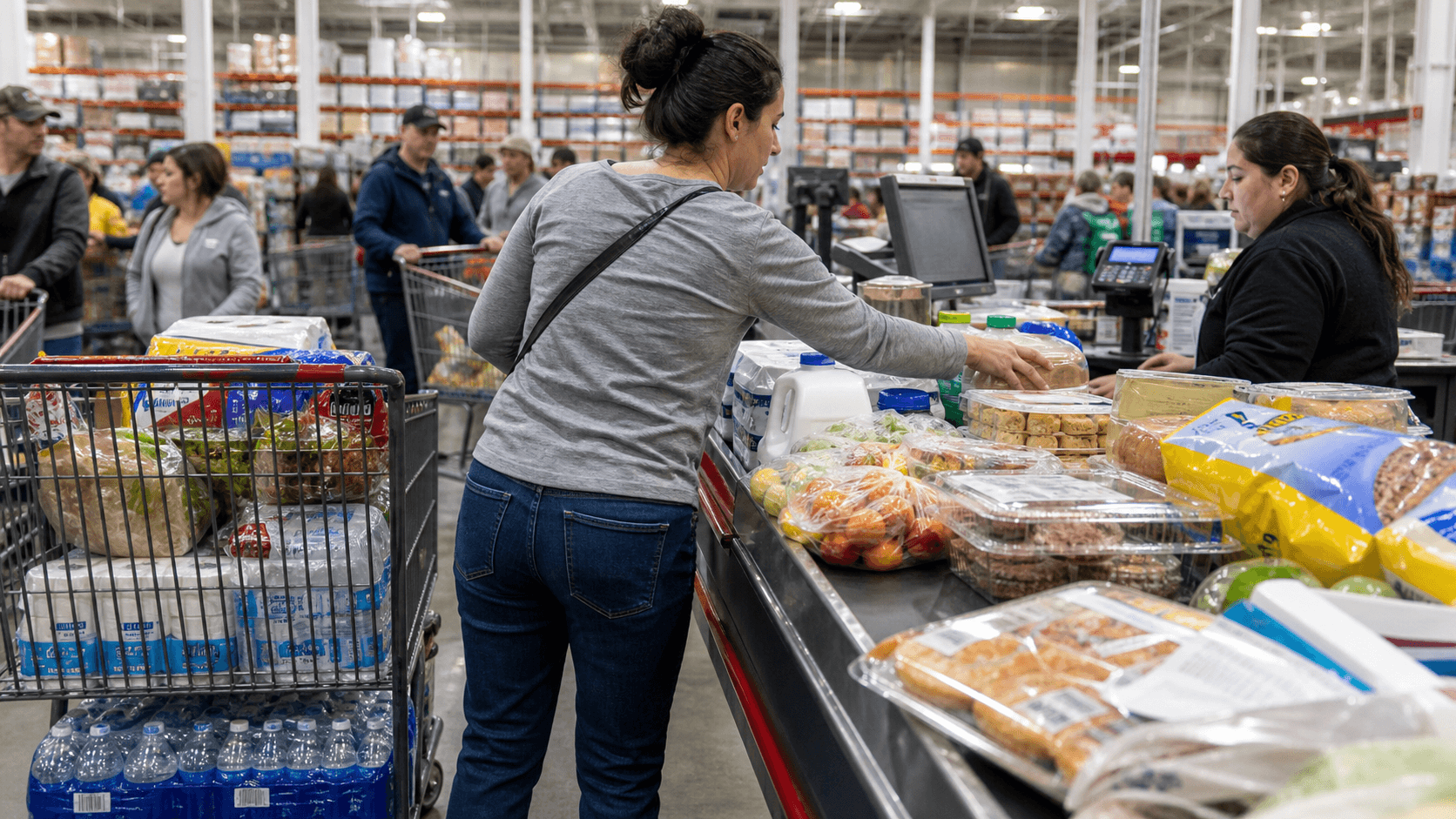
TL;DR: Costco's fiscal Q3 was not just another strong retail print. The useful signal is that U.S. shoppers are still willing to pay an upfront membership fee when the promise is lower unit costs later. In an economy where April spending rose while disposable income slipped, Costco's renewal machine looks less like a loyalty program and more like household cash-flow insurance. #What Costco's Q3 Actually Says About the U.S. Shopper Costco reported fiscal third-quarter net sales of $69.15 billion, up 11.6% from a year earlier. U.S. comparable sales rose 9.4%, or 6.8% after excluding gasoline and foreign exchange. Those numbers are strong, but they are not the most interesting part. The sharper read is in the fee line. Membership fees were $1.37 billion for the quarter, up from $1.24 billion a year earlier. That is a small line next to merchandise sales, but it is a clean line: members pay first, then spend. For most retailers, the customer has to be won again at every trip. Costco gets a different starting point. A paid member has already made a small capital-allocation decision at the household level. #Why The Membership Fee Matters More Than The Shopping Cart The lazy read is that Costco is simply benefiting from value-seeking consumers. That is true, but incomplete. Dollar stores, off-price chains, private-label grocers, and Walmart all sell value. Costco sells value plus commitment. Why upfront payment changes the retail math Once a household pays for a membership, each trip carries a quiet pressure to make the fee "worth it." That does not guarantee loyalty forever, but it changes the default behavior. A shopper who pays an annual fee is more likely to: batch purchases instead of buying one item at a time; compare unit prices instead of shelf prices; absorb a bigger checkout ticket if the per-unit math feels defensible; keep returning until the membership renewal date forces a new decision. That is why Costco's quarter belongs in the consumer balance-sheet conversation, not only the retail earnings calendar. #Where The Consumer Cash-Fl

0
0
NBNathan Bailey···5 min read

Gap and American Eagle Put Markdown Discipline on the Consumer Watchlist

TL;DR: Gap and American Eagle are not just telling investors that shoppers are picky. Their May 28, 2026 results show apparel becoming a cleaner consumer cash-flow signal because clothing is easy to postpone, return, trade down, or buy only on promotion. The business implication is simple: in mid-market apparel, the real dashboard is no longer sales growth alone. It is markdown discipline, tariff absorption, inventory cost, and whether a retailer can protect gross margin without losing the customer. #What Gap and American Eagle actually signaled Gap reported first-quarter fiscal 2026 net sales of $3.5 billion, up 1%, with comparable sales up 2% and gross margin at 40.5%. On the surface, that is not a consumer alarm bell. The more useful line was in guidance. Gap lowered full-year fiscal 2026 sales expectations to up 1% to 2%, from up 2% to 3%, while still raising adjusted EPS guidance to $2.30 to $2.40. American Eagle Outfitters had its own split-screen. The company reported record first-quarter revenue of $1.2 billion, up 10%, but Aerie carried the story: Aerie comps rose 25%, while American Eagle comps fell 2%. That is the point. The consumer is not vanishing. The consumer is editing. #Why apparel is a sharper cash-flow tell Apparel is a small-ticket category, but it is financially revealing because it sits in the softest part of the household budget. Rent gets paid. Insurance renews. Groceries get bought. A pair of jeans can wait two weeks, move to a discount rack, or lose to a cheaper substitute. Reuters framed the market reaction bluntly: shares of Gap and American Eagle fell after weak forecasts, with both companies flagging weakness in some women’s apparel categories. That is not just a fashion read. It is a timing read. The consumer is managing purchase timing, not only income The most interesting household behavior ri

0
0
AAAaron···4 min read

Kohl's Weak Quarter Has One Useful Signal: Cleaner Shelves

TL;DR: Kohl's reported a weak but less chaotic first quarter on May 28: net sales fell 1.7%, comparable sales fell 1.1%, and the company still lost $14 million. The useful signal is not a retail rebound. It is that Kohl's is trying to buy time with cleaner inventory, no revolver borrowings, and fewer financial leaks while its core low- to middle-income shopper remains selective. #What Kohl's Actually Reported Kohl's first-quarter fiscal 2026 release is not a victory lap. It is a stabilization document. Net sales were $3.0 billion, down 1.7% from a year earlier. Comparable sales fell 1.1%. Operating income dropped to $46 million from $60 million, and diluted EPS stayed negative at $(0.13). The cleaner part sits on the balance sheet. Inventory fell 8% year over year to $2.9 billion, cash rose to $429 million, and borrowings under the revolving credit facility were zero, compared with $545 million a year earlier. That matters because department-store turnarounds usually die from clutter before they die from one bad quarter. #Why Cleaner Shelves Matter More Than A Tiny Comp Miss Walk a soft apparel floor and the operating problem is obvious. Too much old product forces markdowns. Too little depth in the right sizes loses trips. A weak retailer can look busy and still be destroying margin if the floor is full of wrong inventory. Kohl's is trying to solve the less glamorous version of retail: not "how do we make shoppers excited again?" but "how do we stop every slow rack from turning into a cash drain?" The real bet is precision, not traffic Management said gross margin was 39.9%, up only 4 basis points. That is not dramatic. But a flat margin with falling sales and lower inventory is more useful than a promotional sales bump that leaves the company buried in clearance goods. The former creates optionality. The latter creates another markdown cycle. This is the overlooked po

0
0
AAAaron···4 min read

DICK'S Is Learning That Retail Acquisitions Start in the Stockroom

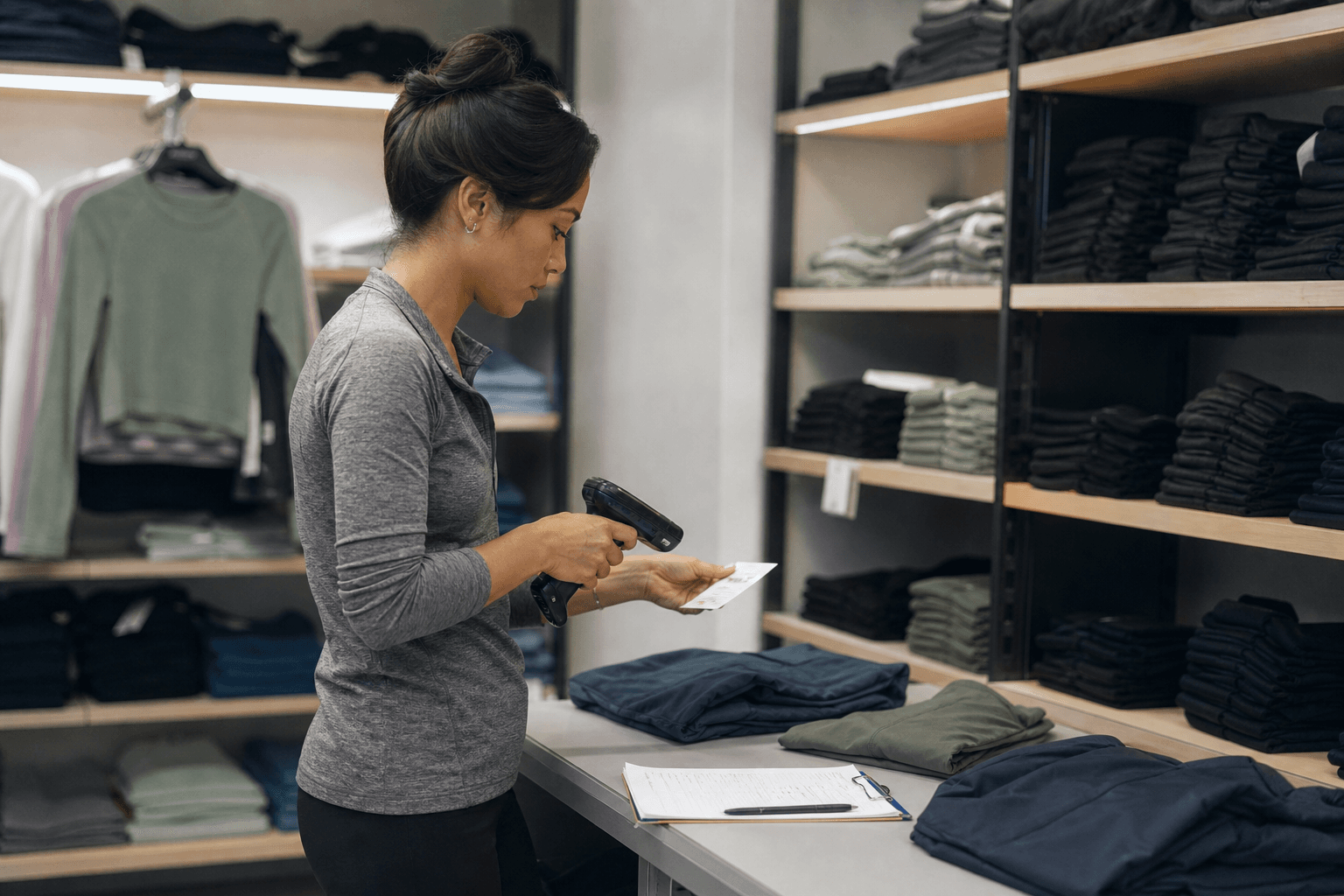
DICK'S did not buy Foot Locker and suddenly discover that sneakers are a bad business. It discovered something more useful and more annoying: demand can be healthy while the acquired store base still behaves like a margin leak. That is the part investors tend to blur. The customer can be showing up. The shoe wall can be moving. The stock can still fall because the real work is not selling one more pair of sneakers. It is fixing the system that pair has to travel through. DICK'S reported 6% comparable sales growth in its core business for the first quarter. Foot Locker also returned to positive pro forma comps, and management raised the low end of its 2026 comparable-sales outlook for both businesses. On the surface, that sounds like a clean consumer-resilience story. Then the profit guide got trimmed. The company now expects full-year 2026 earnings of $13.27 to $14.27 a share, down from its prior $13.70 to $14.70 range, while keeping annual net sales guidance at $22.1 billion to $22.4 billion. Reuters framed the pressure plainly: the Foot Locker overhaul is weighing on margins even as sneaker and apparel demand remains solid. That is the whole lesson in one quarter. In retail M&A, revenue is the easy headline. The stockroom is where the deal either becomes a platform or an expensive collection of leases. Walk into the practical version of this deal. Not the investor deck. The store. There is a manager staring at a wall of shoes, trying to decide which old fixture gets replaced, which size run is wrong, which box is sitting in the wrong place, and which store team still does not have the operating muscle of the buyer. There is a tablet with inventory records that look orderly until a real associate has to find the actual pair in the actual back room. That is where the acquisition cost lives. Not only in bankers' fees. Not only in financing. Not only in the dilution from the 9.6 million shares issued in the Foot Locker acquisition. It lives in: clearance taken to clean up bad inventory; payroll used to retrain store teams; remodel work that must happen before the customer notices anything; technology and supply-chain changes that hit the P&L b

0
0