DICK'S Is Learning That Retail Acquisitions Start in the Stockroom


DICK'S did not buy Foot Locker and suddenly discover that sneakers are a bad business. It discovered something more useful and more annoying: demand can be healthy while the acquired store base still behaves like a margin leak.
That is the part investors tend to blur. The customer can be showing up. The shoe wall can be moving. The stock can still fall because the real work is not selling one more pair of sneakers. It is fixing the system that pair has to travel through.
DICK'S reported 6% comparable sales growth in its core business for the first quarter. Foot Locker also returned to positive pro forma comps, and management raised the low end of its 2026 comparable-sales outlook for both businesses. On the surface, that sounds like a clean consumer-resilience story.
Then the profit guide got trimmed.
The company now expects full-year 2026 earnings of $13.27 to $14.27 a share, down from its prior $13.70 to $14.70 range, while keeping annual net sales guidance at $22.1 billion to $22.4 billion. Reuters framed the pressure plainly: the Foot Locker overhaul is weighing on margins even as sneaker and apparel demand remains solid.
That is the whole lesson in one quarter. In retail M&A, revenue is the easy headline. The stockroom is where the deal either becomes a platform or an expensive collection of leases.
Walk into the practical version of this deal. Not the investor deck. The store.
There is a manager staring at a wall of shoes, trying to decide which old fixture gets replaced, which size run is wrong, which box is sitting in the wrong place, and which store team still does not have the operating muscle of the buyer. There is a tablet with inventory records that look orderly until a real associate has to find the actual pair in the actual back room.
That is where the acquisition cost lives.
Not only in bankers' fees.
Not only in financing.
Not only in the dilution from the 9.6 million shares issued in the Foot Locker acquisition.
It lives in:
- clearance taken to clean up bad inventory;
- payroll used to retrain store teams;
- remodel work that must happen before the customer notices anything;
- technology and supply-chain changes that hit the P&L before they show up as loyalty;
- the awkward months when two retail cultures are technically one company but operationally still separate.
DICK'S calls one piece of the fix "Fast Break," a capital-light remodel program at Foot Locker. The company said it scaled the initiative to roughly 100 stores globally in the first quarter and expects to reach about 250 by back-to-school. Management also said those remodeled stores are producing double-digit comps and merchandise-margin improvement.
That matters. It means the deal is not obviously broken. It means there is a store-level playbook.
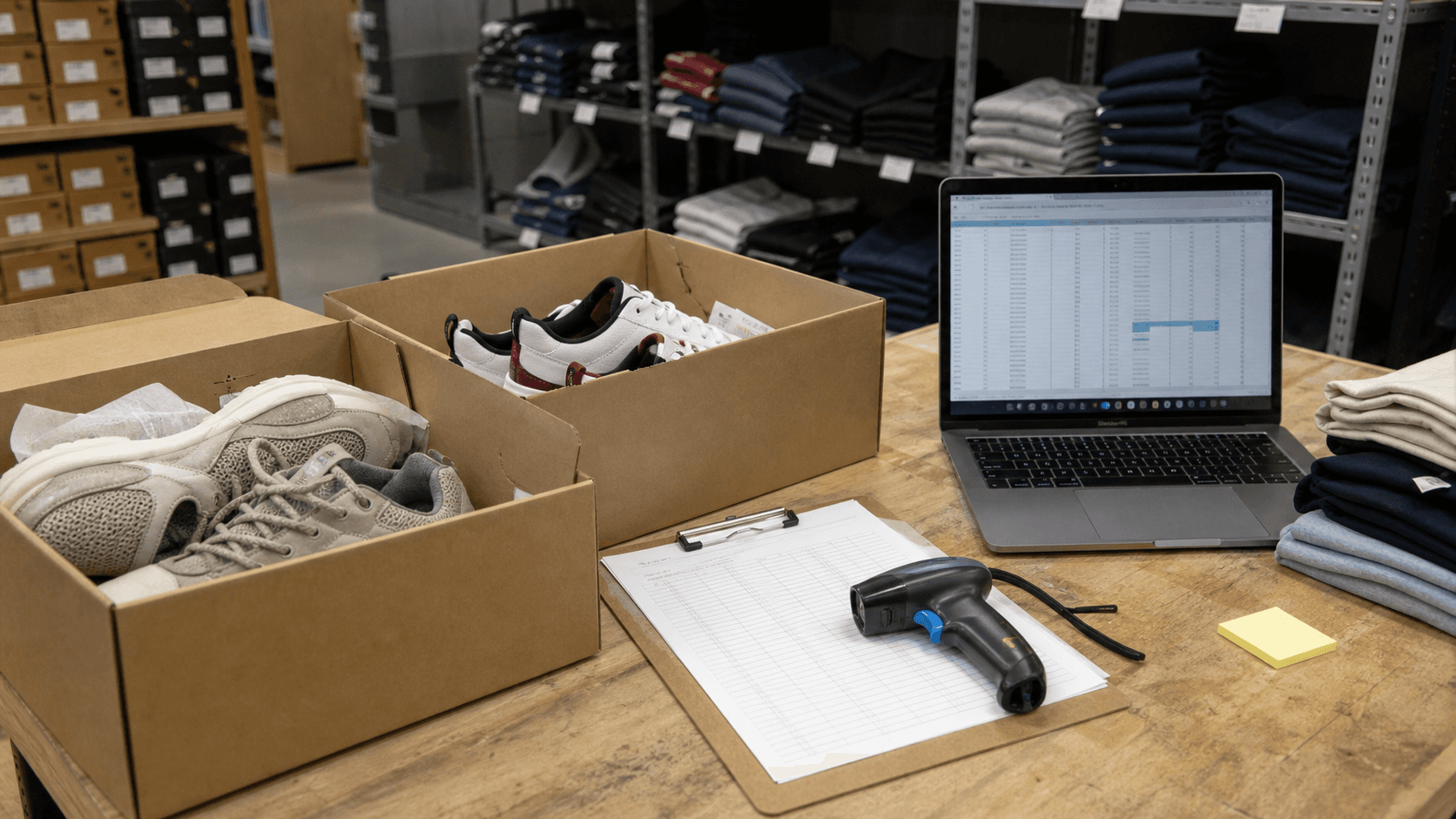
But it also means investors should stop judging the deal as if it were a spreadsheet row called "sneaker demand." The better question is how quickly DICK'S can convert Foot Locker from a brand-retail legacy asset into an operating format it actually controls.
There is a difference.
A brand-retail legacy asset depends on traffic, vendor heat, mall relevance, and promotional discipline. It can look fine in a hot category and still have weak economics because the store base, inventory habits, and merchandising cadence were built for a different retail era.
An operating format has a repeatable store model. It knows where capital goes. It knows what gets remodeled first. It knows which inventory should never enter the building. It can take a national sneaker trend and turn it into cash without leaving too much money on the floor.
The market is right to care about the profit guide. A consumer who still wants athletic gear does not automatically save a retailer from integration math.
In fact, strong demand can make the cleanup harder to see. If the top line is weak, everyone knows the problem. If sales are growing, management has more room to spend, more excuses to move slowly, and more temptation to declare victory before the store base has really changed.
That is the blind spot here.
DICK'S core business looks strong. Foot Locker is showing early signs of repair. The combined company now has more scale, more sneaker relevance, and a larger global footprint than it had before the deal.
But scale in retail is not magic. It is a promise to do boring things better than everyone else:
- buy cleaner;
- move faster;
- close or remodel weaker boxes;
- make the best stores easier to run;
- keep gross margin from leaking through markdowns and mistakes.
The sharpest read on this quarter is not that DICK'S made a mistake buying Foot Locker. It is that the deal is entering the unglamorous phase where the bull case has to be earned aisle by aisle.
If DICK'S can turn Foot Locker into a disciplined operating system, the trimmed profit guide may look like the price of buying control. If it cannot, investors will have learned a familiar retail lesson again: a hot category can fill the store, but it cannot fix the stockroom.