Mission Produce's Calavo Deal Turns Guacamole Into A Supply-Chain Margin Test

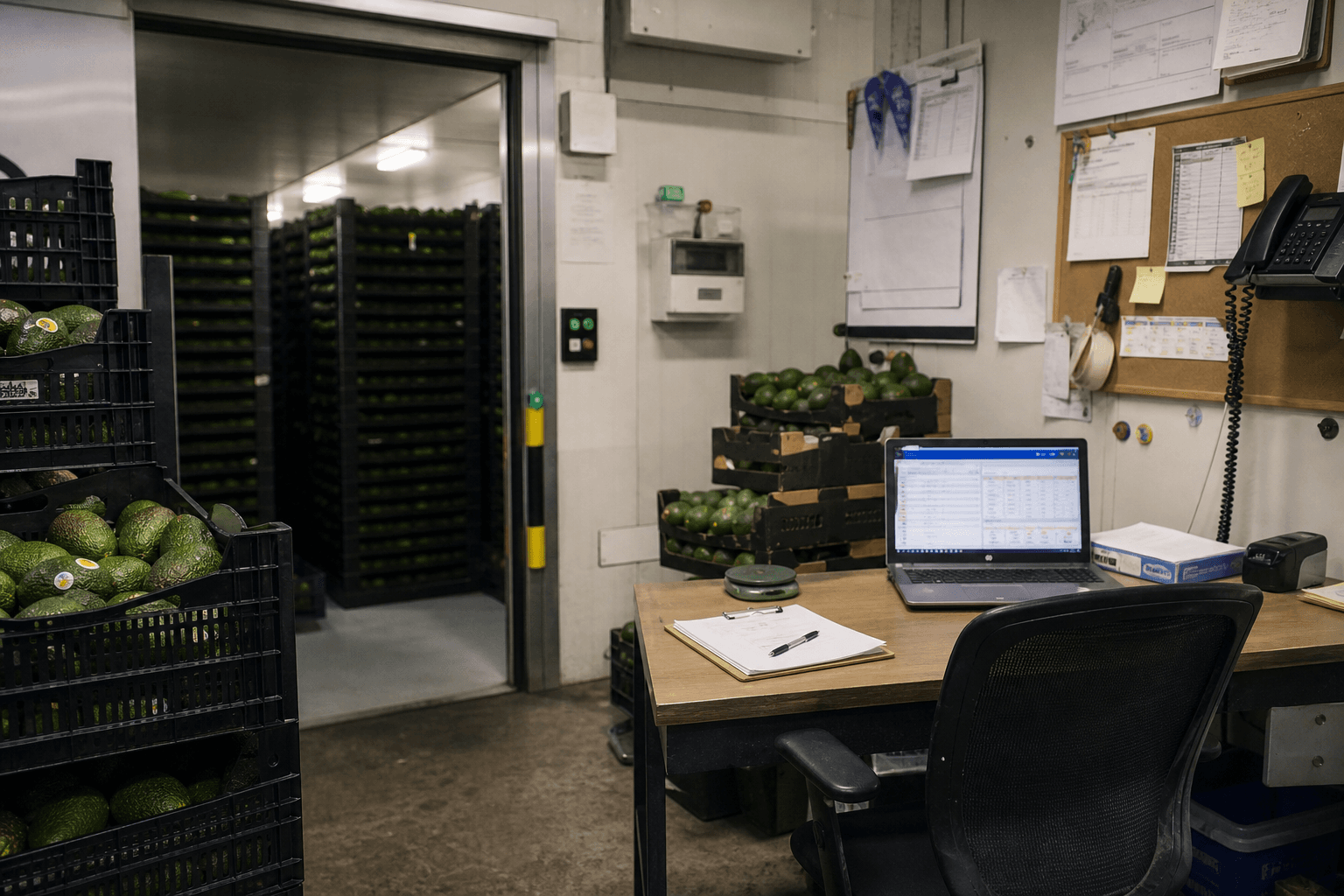
TL;DR: Mission Produce closed its Calavo Growers acquisition on May 28, just before Mission's June 8 fiscal second-quarter results. The useful business story is not avocado demand. It is control. By adding Calavo's North American sourcing, customer relationships, and prepared-food capability, Mission is trying to turn a volatile fresh-fruit trade into a margin system built around ripening rooms, grocery programs, private-label food, and working-capital discipline.
##What Mission Produce Bought From Calavo
Mission Produce said it completed the Calavo acquisition on May 28, 2026. Calavo shareholders are receiving $26.05 per share based on Mission's May 27 closing price, with the consideration made up of $14.85 in cash and 0.9790 Mission shares for each Calavo share.
That is the transaction math. The operating math is more interesting.
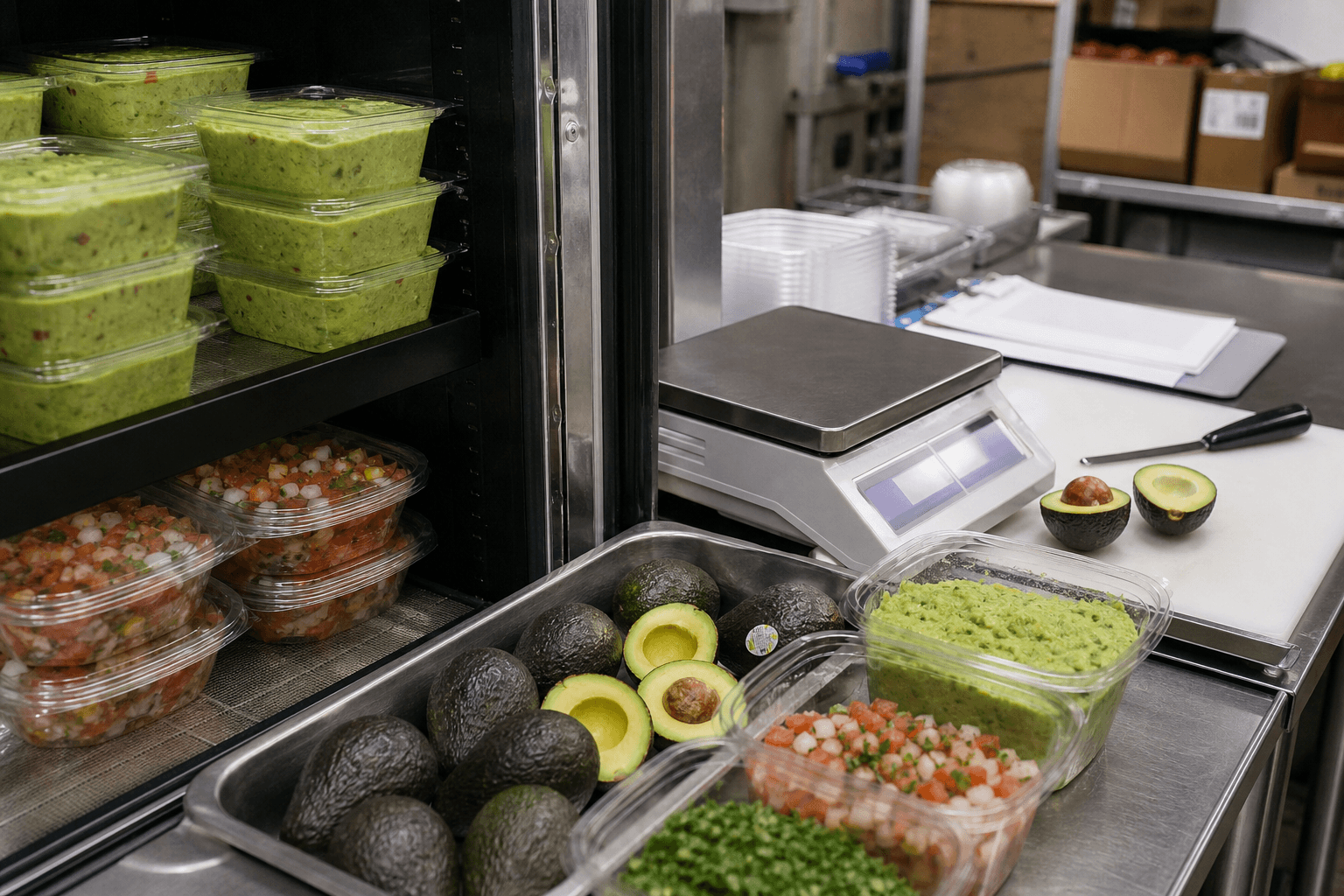
Mission already had the global avocado sourcing and distribution machine. Calavo brings a deeper North American customer book, California and Mexico sourcing, and a prepared-food business that includes guacamole and salsas.
In plain English: Mission is buying more control over what happens after the fruit leaves the farm.
##Why The Deal Is Really About Ripening, Not Just Fruit
An avocado company can look simple from the grocery aisle. Fruit arrives, the shopper squeezes it, and the retailer hopes the pile does not turn brown before the weekend.
Behind that pile is a timing business.
#The margin sits in the handoff
Somebody has to decide:
- which fruit goes to a supermarket display;
- which fruit goes to foodservice;
- which fruit gets redirected into prepared guacamole;
- which customer gets reliable volume when supply tightens;
- which inventory risks spoilage before it turns into revenue.
That is why the Calavo deal matters. It gives Mission more places to send fruit and more ways to preserve value when raw avocado pricing moves against the plan.
Mission's fiscal first-quarter release said avocado industry volumes for the fiscal second quarter were expected to rise 10% to 15% from a year earlier, while pricing was expected to be down 30% to 35% from the prior-year $2.00-per-pound average. That setup is brutal for anyone selling a commodity story. It is more useful for a company trying to prove it can make money from throughput, allocation, and value-added product.
##Where The Investor Blind Spot Is
The lazy version of the story is that lower avocado prices hurt revenue.
That is true but incomplete. In fresh produce, lower prices can also expand volumes, improve customer programs, and make prepared-food conversion easier if the operator has enough cold-chain discipline.
#More supply is not automatically bad
Mission's own first-quarter commentary pointed to higher volumes, working-capital growth from receivables, inventory growth, Mexican packing capacity, and packhouse construction in Guatemala. Those are not decorative footnotes. They are the physical plumbing of the business.
A CFO looking at this deal should not only ask whether avocado prices are up or down. The better questions are:
- Can the combined company move more fruit through the same fixed assets?
- Can prepared foods absorb fruit that would otherwise be sold too cheaply?
- Can Mission reduce duplicate SG&A without starving the customer-facing parts of Calavo?
- Can the balance sheet carry more receivables and inventory without turning growth into a cash drag?
That is the whole test. Mission has to make scale feel like flexibility, not just size.
##Who Pays If The Integration Is Messy
Mission will release fiscal second-quarter results after the market closes on June 8, so the first clean post-close read will come quickly.
The company will not be judged only on adjusted earnings. Investors should listen for how management talks about integration costs, customer retention, working capital, and the prepared-food opportunity.
There is an awkward risk here. Prepared foods sound higher-margin, but they also add food-safety, labor, packaging, shelf-life, and customer-service complexity. A bad batch of guacamole is not the same problem as a box of underripe fruit.
Calavo was not just a ticker. It was a workflow. If Mission absorbs the brand but loses the operating texture, the deal can still close legally and disappoint commercially.
##Why This Belongs In A Consumer Balance-Sheet Beat
Avocados are a small line item for a household, but they are a useful window into how modern grocery economics works.
The USDA Economic Research Service has noted that U.S. fresh produce availability has become more import-dependent, with imports supplying 59% of fresh fruit availability and 35% of fresh vegetable availability in 2023. Avocados are part of that cross-border, year-round grocery habit.
That means the business is exposed to farms, border crossings, trucks, ripening rooms, retailer promotions, restaurant traffic, and consumer trade-down behavior. The customer sees a $4.99 tub of guacamole. The operator sees a chain of decisions where one late shipment or one weak forecast can erase the margin.
Mission's Calavo deal is a bet that owning more of that chain makes the company less hostage to the raw fruit price.
##What To Watch After The June 8 Report
The cleanest signal will not be a single quarter's revenue number.
Watch whether Mission can explain the combined company in operating terms:
- how much volume is moving through the network;
- whether lower fruit prices are helping or hurting gross margin mix;
- how quickly the Calavo cost savings show up;
- whether prepared foods become a real profit pool or just a nice slide;
- whether working capital grows faster than the promised synergy story.
The avocado aisle is not glamorous. That is exactly why it is useful. It shows whether a company can turn messy, perishable supply into repeatable business economics.
#FAQ
Why does Mission Produce's Calavo acquisition matter for investors?
It gives Mission more North American sourcing, customer access, and prepared-food capability. The investor question is whether those assets make margins more controllable when avocado supply and prices swing.
Is this mainly an earnings story?
No. Mission's June 8 report matters, but the bigger issue is integration. The deal will be judged by working capital, customer retention, throughput, cost savings, and whether prepared foods become a durable margin line.
What is the biggest risk in the deal?
Mission may gain scale without gaining flexibility. If Calavo's prepared-food and customer workflows are harder to integrate than expected, the combined company could inherit complexity faster than it captures synergies.