The Fed's Fintech Move Targets a Quiet Banking Toll


The market is reading the Federal Reserve's latest fintech proposal as a narrow policy fight about crypto, charters, and who gets a seat at the payment table. That misses the more important business question.
What the Fed floated on May 20 is a limited-purpose "payment account" that would let legally eligible institutions clear and settle payments directly through Federal Reserve rails without giving them the full bundle traditional banks enjoy. The proposal would deny intraday credit, discount-window access, and interest on balances, while also requiring automated controls to prevent overdrafts. In other words, the Fed is testing whether access to the plumbing can be separated from access to the full safety net.
That is the hidden shift casual readers are missing. If this framework survives the comment process, the real threat is not to bank lending. It is to one of banking's quieter toll booths: getting paid for sitting between fast-growing fintech distribution and the core payment infrastructure.
For years, many fintechs have had to rent that access indirectly through sponsor banks and partnership structures. That arrangement created a nice economics package for incumbents. Banks kept the regulated account, the Fed connection, and a slice of the flow, while fintechs spent heavily on customer acquisition, product design, and software. The White House made the political direction plain on May 19, asking the Fed to evaluate ways to expand access for uninsured depositories and non-bank fintechs while lowering barriers it says protect incumbents.
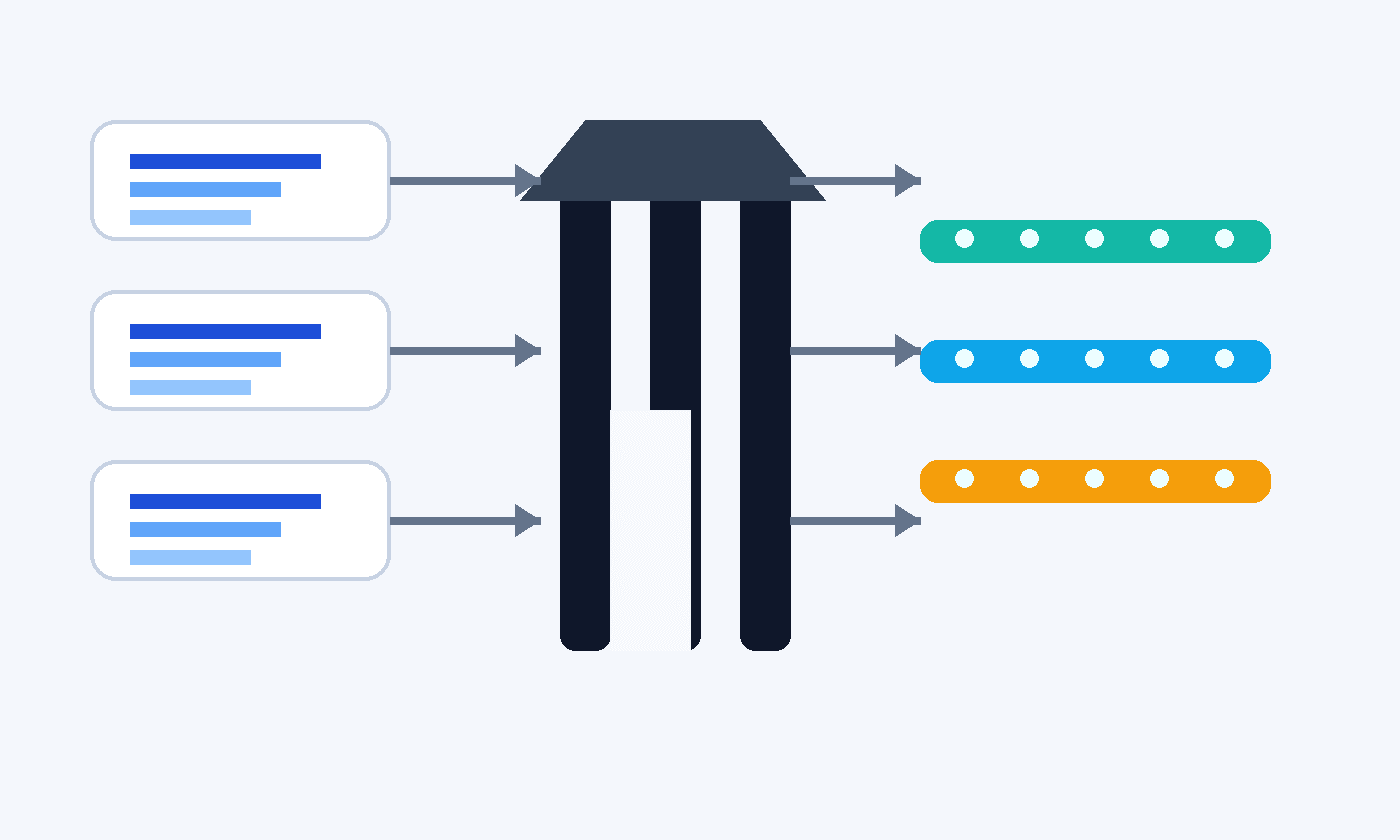
This is why the proposal matters more than its legal form suggests. A traditional master account is effectively a wholesale utility connection. If some institutions can get a narrower version of that connection, the pricing power around money movement starts to change. Payments could get faster and cheaper for the firms that qualify, but the bigger consequence is that some bank-fintech partnerships would no longer be held together mainly by infrastructure dependency.
That does not mean banks become irrelevant. In many cases, the moat simply moves. Banks would still matter for insured deposits, balance-sheet capacity, credit, compliance depth, and trust in stressed markets. But if direct payment access becomes even partially available, then the weaker partnership model gets exposed. The winners would be the banks offering real regulatory and balance-sheet value, not just rented rails. The winners on the fintech side would be the firms with enough scale, compliance maturity, and customer stickiness to justify going closer to the core system.
The Fed itself is signaling that this is not a free pass. Governor Lisa Cook said the proposal could create a framework for innovative business models while mitigating risks, but also emphasized the systemic questions around granting clearing and settlement capabilities to firms without deposit insurance or comprehensive federal oversight. Governor Michael Barr went further and dissented, arguing the current version lacks sufficiently robust anti-money-laundering safeguards. Reuters also reported that banks have warned direct access for lightly regulated firms could create liquidity and operational risks.
That tension is exactly why investors should care. This is not just a policy story about whether fintech gets easier access. It is a margin story about who gets paid for being the connective tissue of the financial system. Once policymakers start asking whether payment access can be unbundled from the entire banking package, they are also asking whether part of bank economics has been protected more by structure than by value added.
The proposal may still be narrowed, delayed, or defeated. The Fed said it would not expand legal eligibility, and it is pausing some pending nontraditional access decisions while it develops policy. But the direction of travel is now harder to ignore. Washington is openly exploring a model in which parts of banking infrastructure become more contestable while the safety net stays selective.
The casual version of this story is that fintech wants a better deal from the Fed. The sharper version is that regulators may be starting to separate payments from banking in the same way software separated distribution from manufacturing. If that happens, some incumbents will discover that their most defensible business line was not customer love or underwriting skill. It was owning the gate.