G
Gainbrief
Tag

#energy

1 post in this community.

AAAaron···3 min read

The Oil Trade Is Becoming a Scheduling Problem

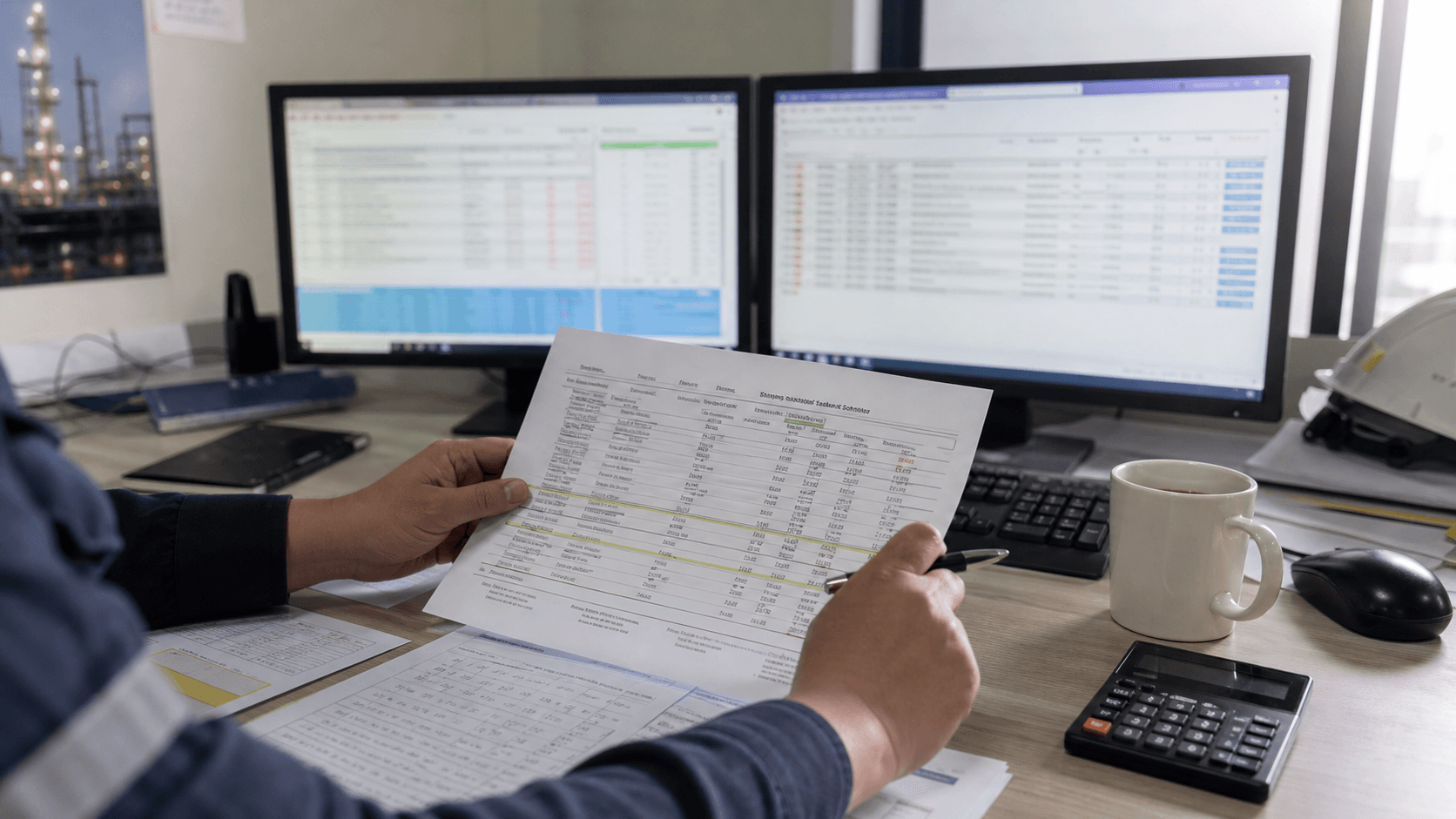
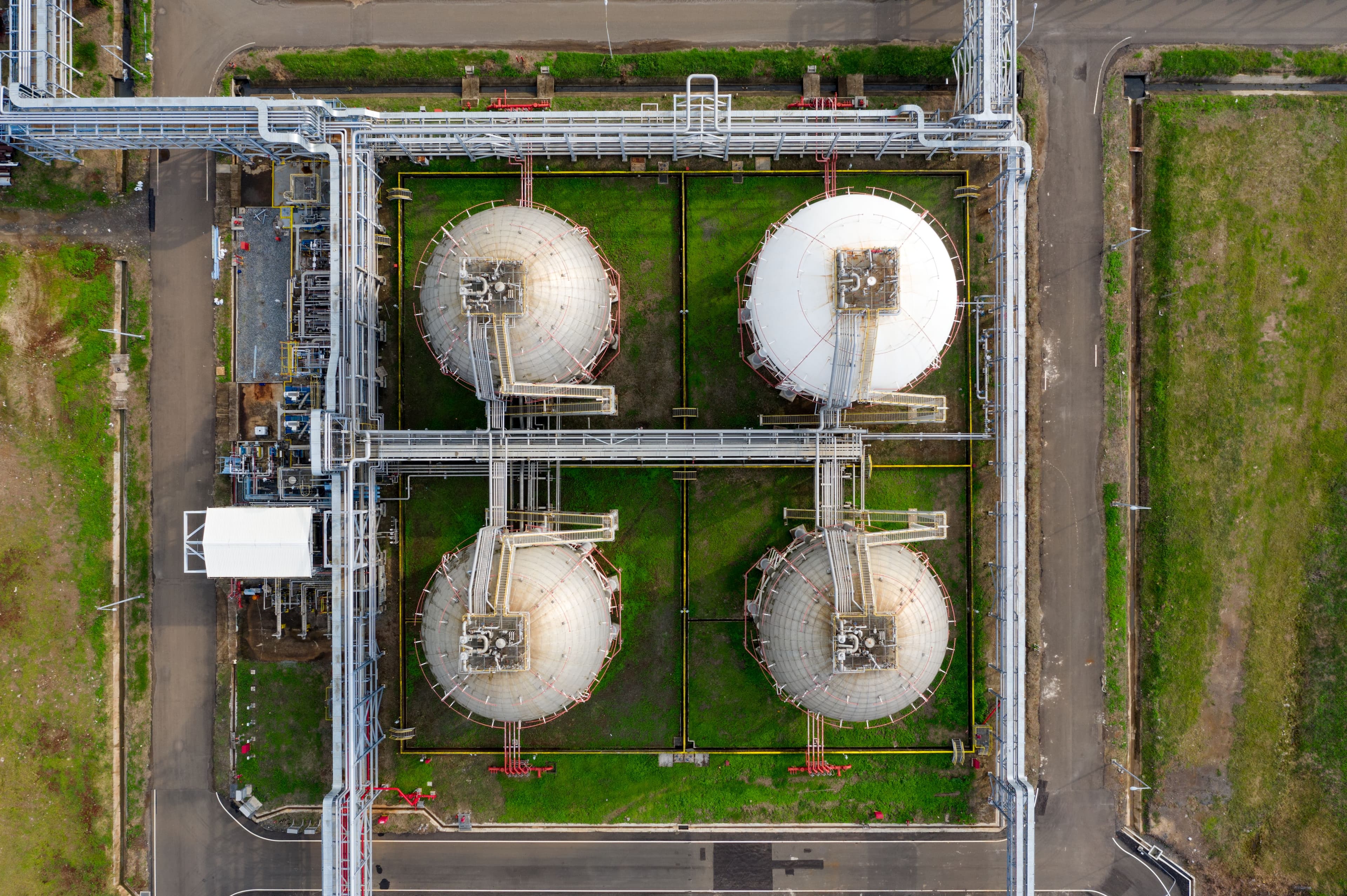
Oil traders can knock a few dollars off Brent in an afternoon. A fuel distributor cannot rebuild a delivery calendar that quickly. That is the market's blind spot in the Strait of Hormuz story. The headline trade is about war premium and ceasefire headlines. The business trade is slower and more stubborn: oil is becoming a scheduling problem. When crude falls on signs of progress, it feels like the problem is easing. But the companies that turn barrels into usable fuel still have to answer a more practical question: which ship, which terminal, which insurance policy, which refinery slot, which truck, and which customer gets served first? That is where the money is now hiding. On a trading screen, the recent move looks clean. Brent jumped about 4% when renewed U.S.-Iran hostilities damaged hopes for a quick reopening, then pulled back as traders looked for progress in talks. The quote moved first because futures are built to digest probability. Physical systems digest permission. Imagine the desk at a regional fuel distributor. The person there does not buy "peace hopes." They buy cargo timing. They need to know whether a tanker will arrive, whether the terminal will allocate product, whether replacement barrels cost more, and whether local gas stations will accept the new wholesale price before customers revolt. That is a very different kind of risk. The most important fact is not that prices moved. It is that the U.S. Energy Information Administration's May outlook assumed the strait would remain effectively closed through late May, with traffic only beginning to pick up in June and flows returning to pre-conflict levels later in the year. That is not a light-switch model. That is a repair model. And repair models punish the businesses that look fine in normal commodity analysis: Retailers with fuel exposure have to manage higher-cost inventory that was purchased before the futures market relaxed. Trucking, airlines, and delivery networks face a lag between spot crude relief and actual operating cost relief. Refiners and distributors have to protect margin while customers see headlines saying oil is down. Smaller operators can get squeezed because they lack the balance sheet to absorb awkward inventory timing. This is why oil shocks are often misunderstood by equity investors. They look for the obvious winners and losers: producers up, airlines down, consumers squeezed, inflation sticky. That map is too crude. The more interesting question is who controls the calendar. A producer with export optionality has one kind of leverage. A refiner with flexible feedstock has another. A distributor with storage, credit lines, and supplier relationships can turn chaos into a service advantage. A thin-margin retailer with little pricing power just inherits the mess. The futures market can say, "less bad." The operations team still has to say, "deliverable." There is also a consumer psychology problem here. Gasoline is one of the few prices Americans inspect with their own eyes. If oil falls and pump prices stay high, people do not think about shipping queues, insurance premiums, terminal allocations, or inventory accounting. They think someone is taking advantage of them. That pressure lands on the businesses closest to the customer, even when the bottleneck is thousands of miles away. So the cleaner takeaway is this: the Strait of Hormuz has turned oil from a pure price story into a trust story. Shipowners need trust before they send vessels through a risky chokepoint. Insurers need trust before they price coverage normally. Refiners need trust before they schedule confidently. Retailers need trust before they cut prices aggressively. Consumers need trust before they believe the bill is fair. Markets are good at repricing fear. They are worse at measuring how long mistrust sits inside a supply chain. That is why a lower crude quote is not the same thing as cheaper energy. It is only the first receipt in a much longer stack. The next phase of the oil trade will not be decided by the loudest headline. It will be decided by the first few boring weeks when ships move on schedule, terminals allocate normally, and gas stations stop feeling like they are selling yesterday's crisis at today's price. Until then, the real risk premium is not just in the barrel. It is in the calendar.

0
0