Oil Inventories Put The Market's Summer Cushion On Trial

TL;DR: Global oil inventories are becoming the market's summer margin call. Reuters reported on June 5 that depleted crude buffers could trigger another price spike, while the IEA and EIA already show large inventory draws around the Strait of Hormuz disruption. The important business implication is not just higher gasoline. It is that companies with freight, packaging, chemicals, airlines, and low-income customers may lose the cheap cushion that kept energy inflation from showing up in margins all at once.
##What Changed In The Oil Market
The oil story has shifted from "will the Strait of Hormuz reopen?" to "how much buffer is left if it does not reopen fast enough?"
That sounds like a technical commodity question. It is not. It is a working-capital question for every business that assumes fuel, resin, freight, and delivery costs will stay manageable through the summer.
Reuters reported that global oil inventories are running dangerously low and that U.S. crude inventories, including the Strategic Petroleum Reserve, fell to 791 million barrels in the week to May 29, the lowest level since February 2024.
The market has been leaning on tanks, not certainty.
##Why The Buffer Matters More Than The Headline Price
Oil below $100 can look calmer than the underlying system actually is.
The reason is simple: inventories can hide stress for a while. A refinery, airline, trucking fleet, or petrochemical buyer does not immediately feel every barrel that fails to move through a chokepoint. It feels the shortage when stored supply has been pulled down far enough that the next buyer has to bid harder.
#Why inventory draws change pricing power
The IEA's May Oil Market Report said observed global oil inventories drew by 129 million barrels in March and another 117 million barrels in April. It also said global inventories, including oil on water, were drawn down by 250 million barrels over March and April.
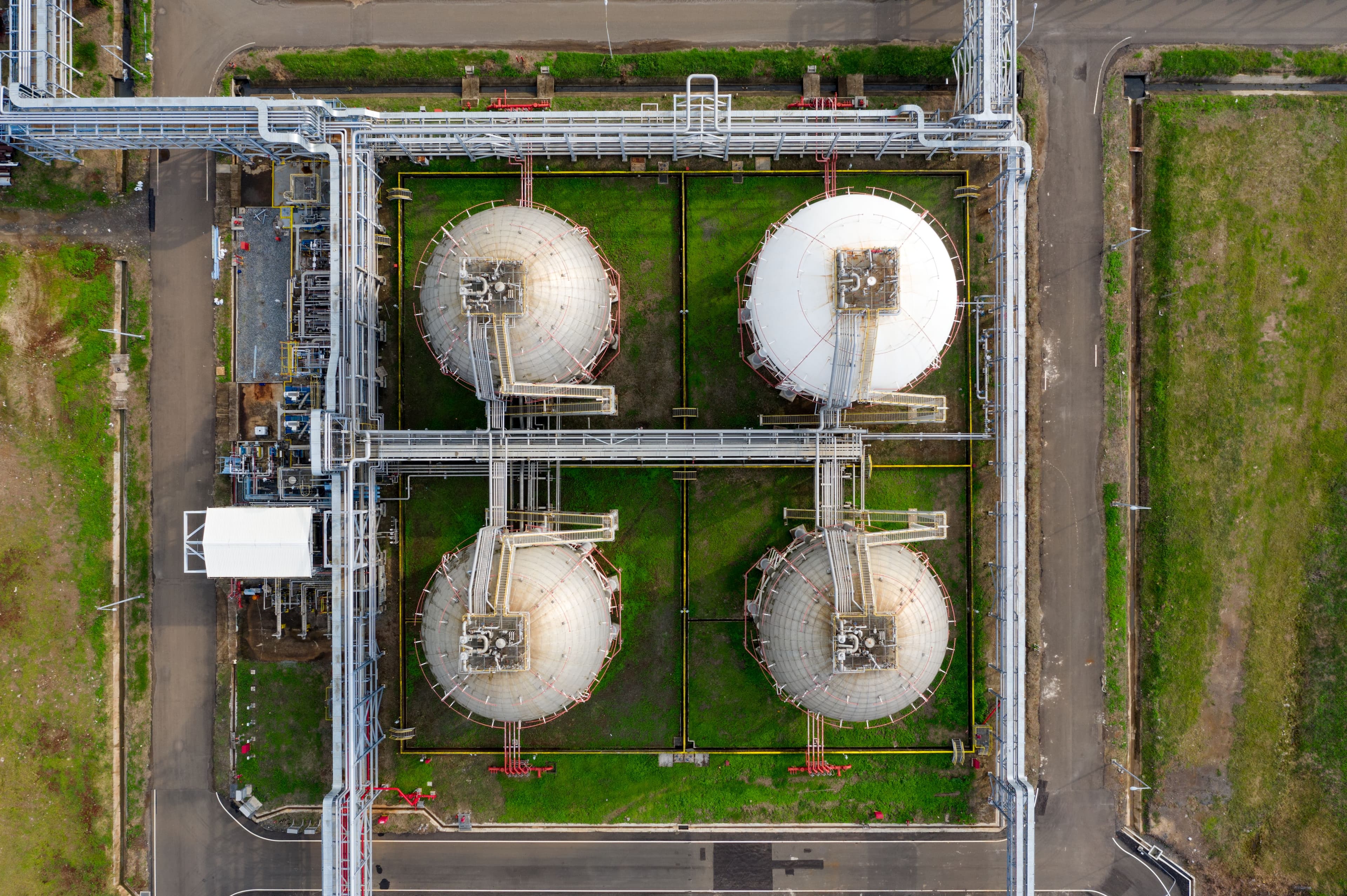
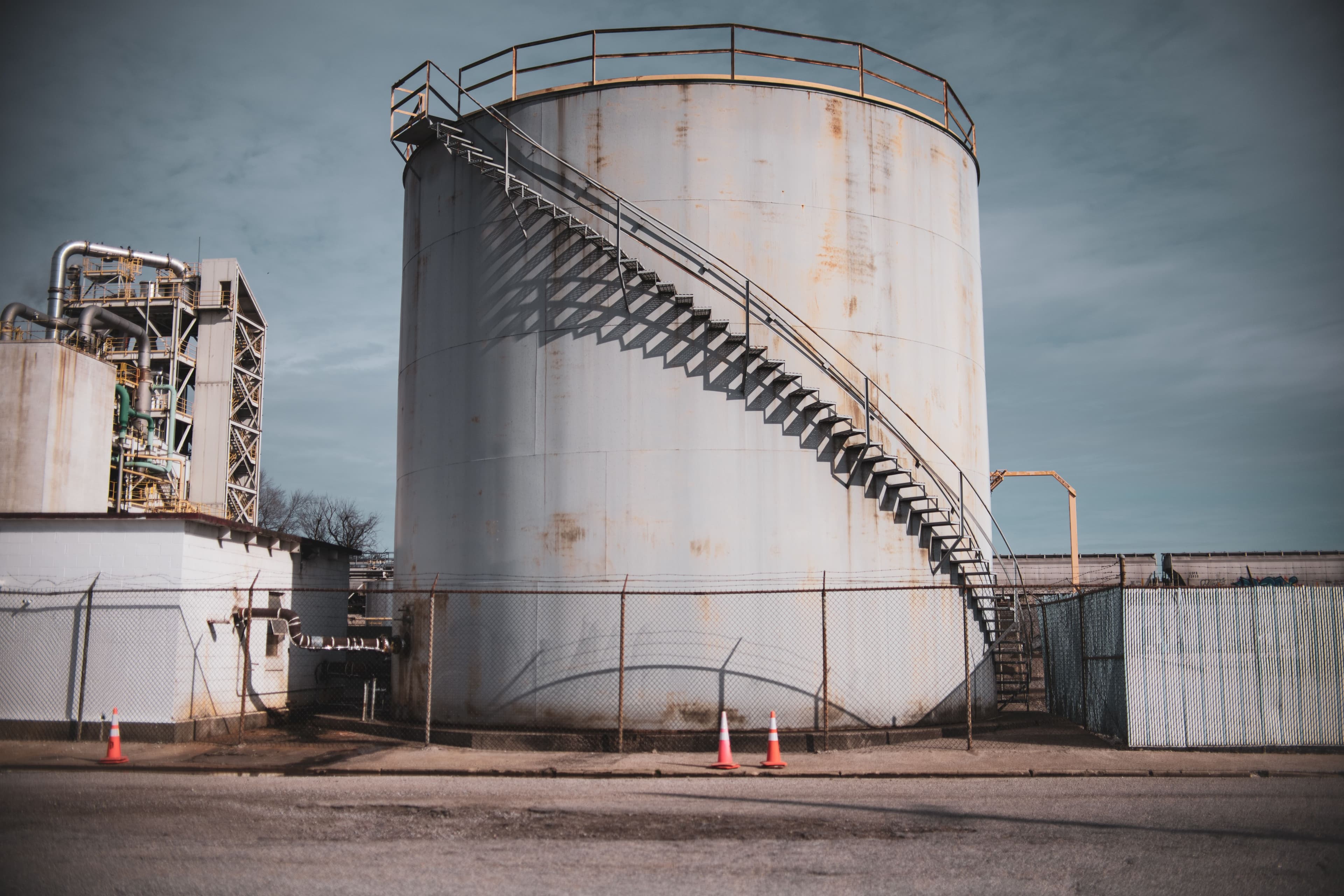
That is the hidden scene: a tank farm doing the job a peace deal has not done yet.
Once the tank farm stops absorbing the shock, price becomes the rationing tool. Somebody pays. It may be the driver at the pump, the airline through jet fuel, the retailer through inbound freight, or the manufacturer through plastic and chemical inputs.
##Where U.S. Investors Should Look First
The U.S. is better insulated than Europe or Asia because it produces a lot of oil. That does not make the U.S. economy immune.
EIA's May Short-Term Energy Outlook said the Strait of Hormuz disruption led it to forecast global oil inventories falling by 2.6 million barrels per day in 2026, compared with a 0.3 million barrel-per-day decline in the prior outlook. EIA also projected Brent around $106 a barrel in May and June because second-quarter inventory draws were expected to be severe.
For U.S. investors, the first-order move is easy: energy producers may look better, fuel-heavy companies may look worse.
The second-order move is more useful:
- Retailers with weaker customers lose room to pass through freight and packaging costs.
- Airlines and delivery networks face a timing problem if fares or surcharges lag fuel.
- Chemical and plastics buyers get squeezed when feedstock costs move before finished-goods pricing.
- The Federal Reserve gets a messier inflation picture just as markets want a cleaner rate path.
That is why this belongs in a business feed, not only an energy feed.
##Who Pays When Oil Stops Being Background Noise
Imagine a regional grocery CFO looking at July freight contracts.
The customer is already price-sensitive. The store cannot simply mark up every delivery-dependent product without losing traffic. The logistics vendor wants a fuel surcharge. The packaging supplier points to resin costs. The CFO is not trading Brent futures; she is deciding which cost gets eaten, delayed, or pushed onto the shelf.
That is how an oil shock moves into a margin line.
#Why this is not just a consumer gasoline story
Gasoline gets the political attention because drivers see it every week. But diesel, jet fuel, petrochemical feedstocks, and refining margins often decide whether businesses absorb the shock quietly or pass it through loudly.
The IEA noted that refinery crude throughputs are forecast to plunge in the second quarter and that refining margins remain historically high, supported by middle distillate cracks. That points to a broader product-market squeeze, not a single pump-price problem.
##What The Market May Be Missing
The market loves binary events: deal or no deal, open or closed, spike or no spike.
The better question is slower and more uncomfortable: how much of the inflation calm has come from burning down buffers that cannot be burned twice?
If inventories were a bridge, the market has been driving across it while arguing about the weather. The danger is not that oil must explode tomorrow. The danger is that the bridge is shorter than investors think.
That changes how to read summer earnings commentary. Watch for companies that say fuel is "manageable" but do not explain whether that means hedged, passed through, delayed, or absorbed. Those are four very different margin stories.
#FAQ
Why does the oil inventory story matter for investors?
Inventories delay the moment when shortages hit prices. When those inventories run down, fuel and feedstock costs can move faster through freight, airlines, retail, chemicals, and inflation expectations.
Is this mainly good for U.S. oil producers?
Higher crude can help producers, but the broader equity-market effect is mixed. Producers may benefit while transport, consumer, packaging, and rate-sensitive stocks face margin and valuation pressure.
What is the key number to watch next?
Watch weekly U.S. crude and product inventories, plus any evidence that Strait of Hormuz flows are returning toward normal. If inventories keep falling into peak summer demand, price has to do more of the adjustment work.