OPEC+ Adds 188,000 July Barrels Into A Market Short On Delivery

TL;DR: OPEC+ is set to add about 188,000 barrels per day to July output targets even as the Strait of Hormuz disruption keeps several producers from delivering full supply. The important point is not the quota headline. It is that oil buyers now have to price a delivery gap: paper barrels may rise, but refiners, airlines, truckers, and fuel distributors still pay for the barrel that actually reaches the dock.
##What OPEC+ Just Signaled
The latest Reuters-syndicated OPEC+ report says the producer group is set for a fourth output-target increase in four months, with seven core members likely to raise July targets by roughly 188,000 barrels per day.
That sounds like supply relief. It may be less useful than it looks.
The same report says the U.S.-Iran war and the Strait of Hormuz disruption are still preventing several OPEC+ members from supplying customers in full. In plain English: OPEC+ can vote to increase the number, but the market still has to find the ship, the route, the insurance, the loading slot, and the buyer willing to trust delivery.
That is the business story. Oil supply is no longer just a production target. It is a logistics product.
##Why The Quota Number Can Mislead Investors
#A target is not a delivered barrel
The mistake is treating an OPEC+ quota hike like a warehouse opening its doors.
In a normal market, a target increase gives traders a reason to expect looser supply. In this market, the target travels through a blocked or impaired chokepoint before it becomes useful crude. The IEA says the Strait of Hormuz carried about 20 million barrels per day of crude and oil products in 2025, making it one of the energy system's most important transit points.
If the route is unreliable, the marginal barrel is not priced only by geology or spare capacity. It is priced by confidence.
That changes the job of a fuel buyer. A refinery procurement manager does not pay for an OPEC+ communiqué. She pays for crude that arrives on time, matches the refinery slate, clears the insurer, and does not force the plant to chase replacement cargoes at the last minute.
##Where The Cost Shows Up In The U.S.
The United States is less dependent on Persian Gulf crude than many Asian buyers, but U.S. businesses are not insulated from a global clearing price.
The pressure can hit in several places:
- Refiners pay more attention to crude quality, shipping certainty, and replacement cargo economics.
- Airlines and trucking fleets face a fuel market where hedges can protect price but not always physical tightness.
- Retail fuel distributors absorb more basis risk between wholesale moves and pump prices.
- Chemical and plastics buyers watch oil-linked feedstock costs even when their own supplier is domestic.
This is why the OPEC+ story belongs on a business page, not only a commodities page.
The financial question is whether companies can pass through a messy energy cost without losing volume. A retailer, airline, delivery network, or manufacturer may not describe the problem as "Hormuz exposure" on an earnings call. It may show up as freight expense, fuel surcharge friction, inventory timing, or weaker customer demand after gasoline takes a little more household cash.
##Who Has The Better Position
#The advantage moves to firms that control timing
The winner in this kind of market is not always the company with the best oil-price forecast. It is often the company with the most flexibility.
A refinery with optional crude slates, storage, and reliable inland logistics has more room than a buyer locked into narrow grades and tight delivery windows. An airline with a disciplined fuel program has more room than one that needs spot protection after prices already move. A retailer with pricing power has more room than one that must eat freight inflation to protect traffic.
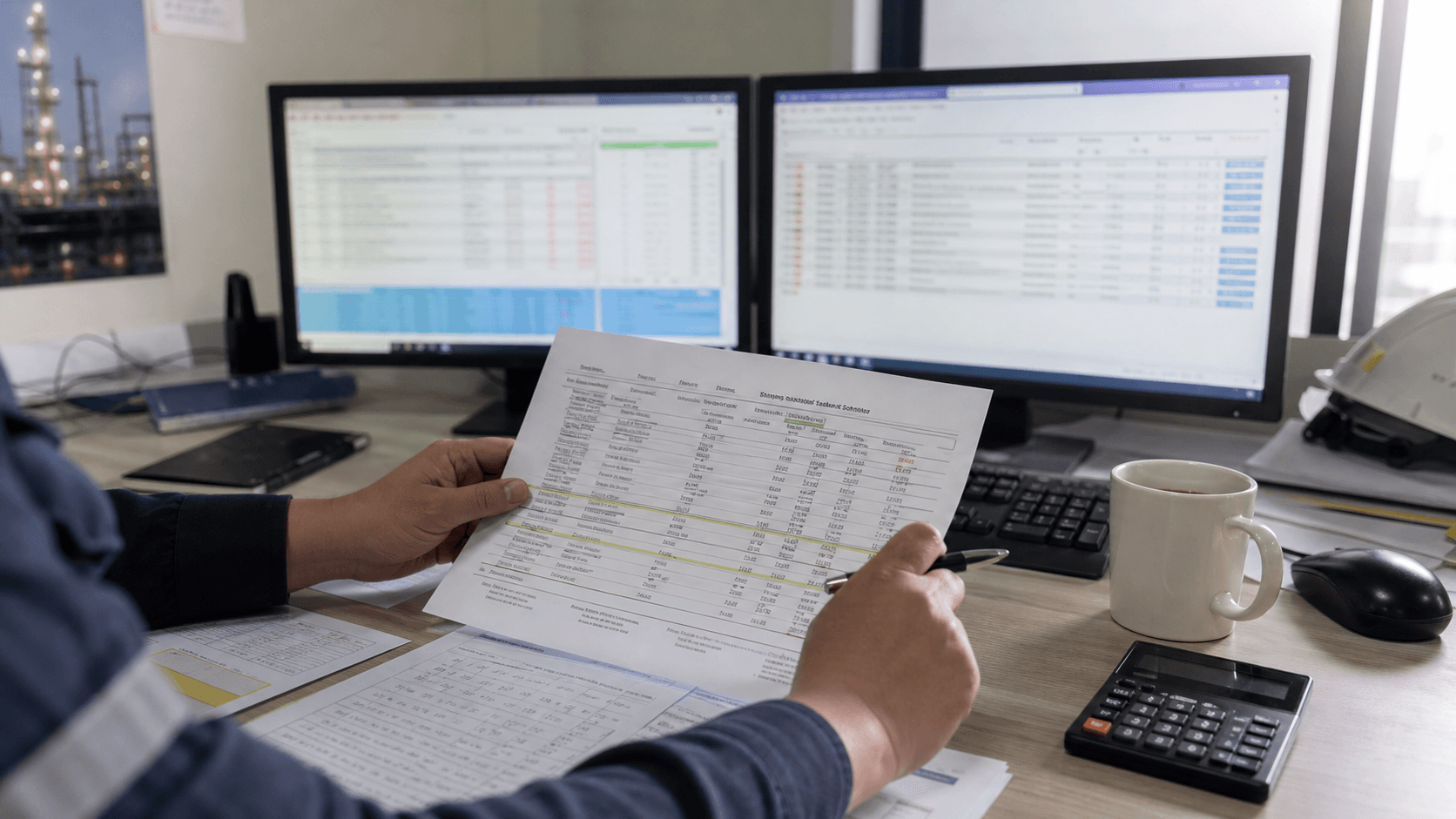
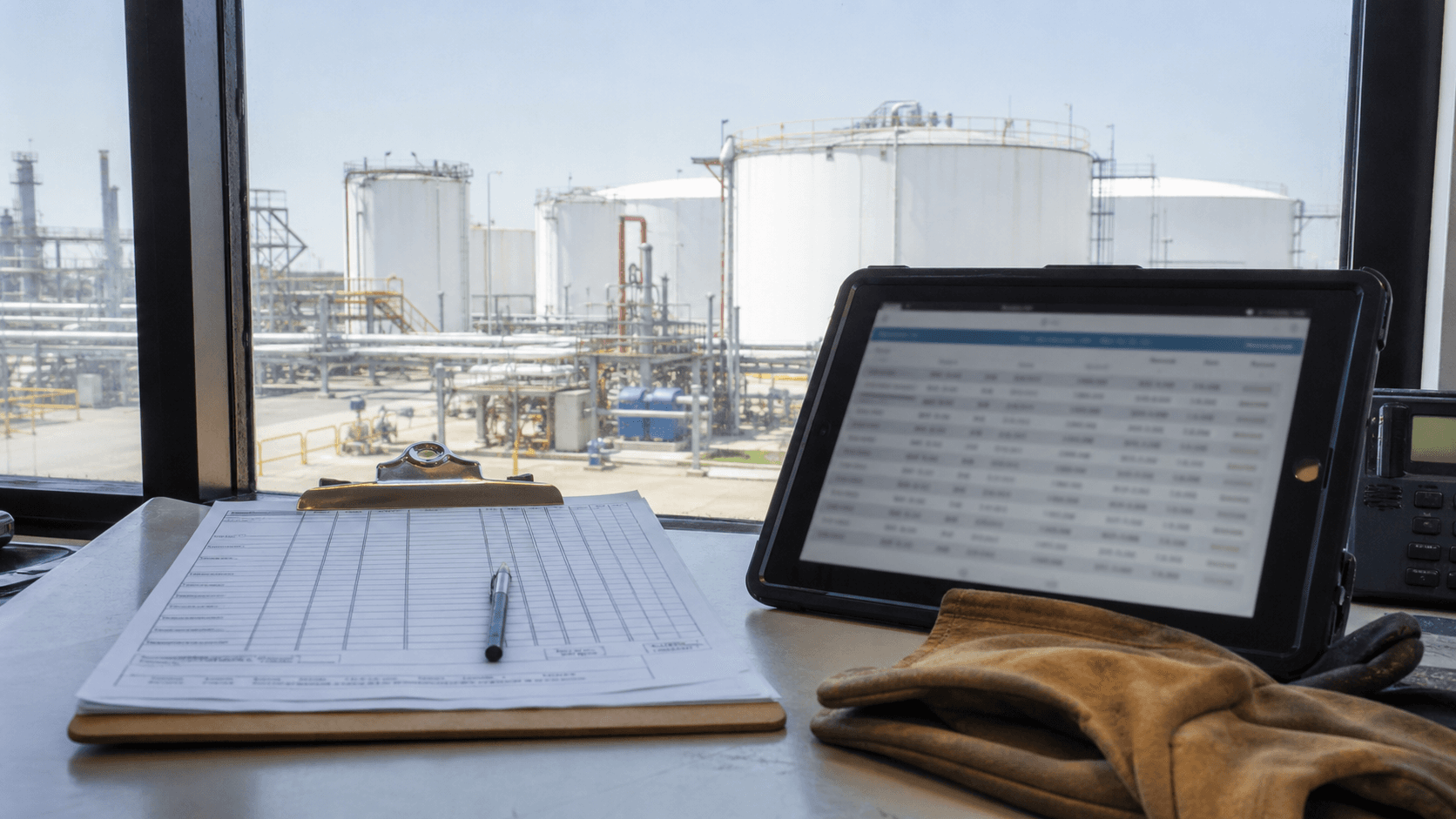
The operating scene is ordinary. A procurement desk has a spreadsheet of expected cargoes, a list of alternate suppliers, and a finance team asking how much working capital is about to be tied up in inventory. The quota headline is just one line on that sheet.
The more important column is "can we actually get it?"
##Why This Is A Market Psychology Problem Too
The EIA has called Hormuz a critical oil chokepoint because a large share of global petroleum trade has historically passed through a narrow route. That makes the current OPEC+ posture awkward: the group is signaling normal supply management inside a market that still feels operationally abnormal.
Investors should be careful with the first-order read. More quota does not automatically mean cheaper energy equities, lower inflation, or instant relief for consumers.
The real signal is narrower:
OPEC+ is trying to keep the appearance of supply discipline while the market is learning to discount barrels that cannot move cleanly. That discount is not academic. It affects hedging costs, inventory buffers, shipping decisions, and the earnings quality of companies that turn fuel into movement.
##What To Watch Next
The next useful data point is not only whether OPEC+ confirms the July increase. It is whether customers actually receive the additional barrels and whether the physical market starts pricing less stress into delivered crude and refined products.
If delivered supply improves, the quota hike becomes real relief.
If delivered supply stays tight, the July increase becomes a reminder that in energy markets, power belongs less to the producer who announces barrels and more to the system that can move them.
#FAQ
Why does a 188,000 bpd OPEC+ quota hike matter?
It matters because traders may read it as supply relief, but the business impact depends on whether the barrels are physically delivered. In a disrupted Hormuz market, target barrels and usable barrels are not the same thing.
Who is most exposed to the delivery gap?
Refiners, airlines, trucking fleets, fuel distributors, and oil-linked chemical buyers are exposed because they depend on delivered fuel or feedstock, not just quoted crude supply. The pain usually appears through fuel costs, working capital, freight expense, and pass-through limits.
What should investors watch after the OPEC+ meeting?
Watch physical delivery signals: tanker flows, regional crude differentials, refinery margins, shipping insurance costs, and fuel-price pass-through. Those will say more about real relief than the quota headline alone.