Counterpoint's Smartphone Cut Shows Memory Now Allocates the Budget Phone Market
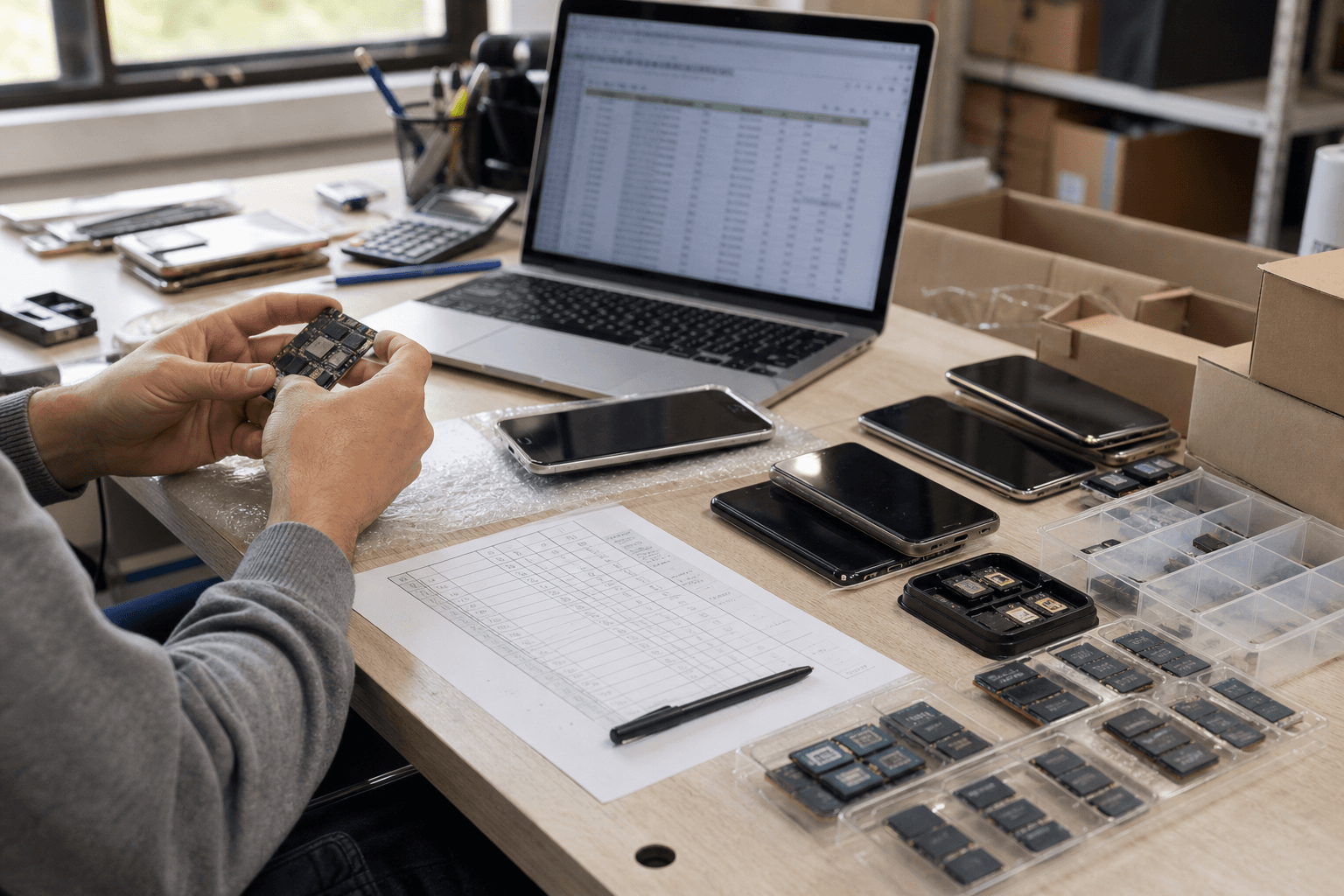
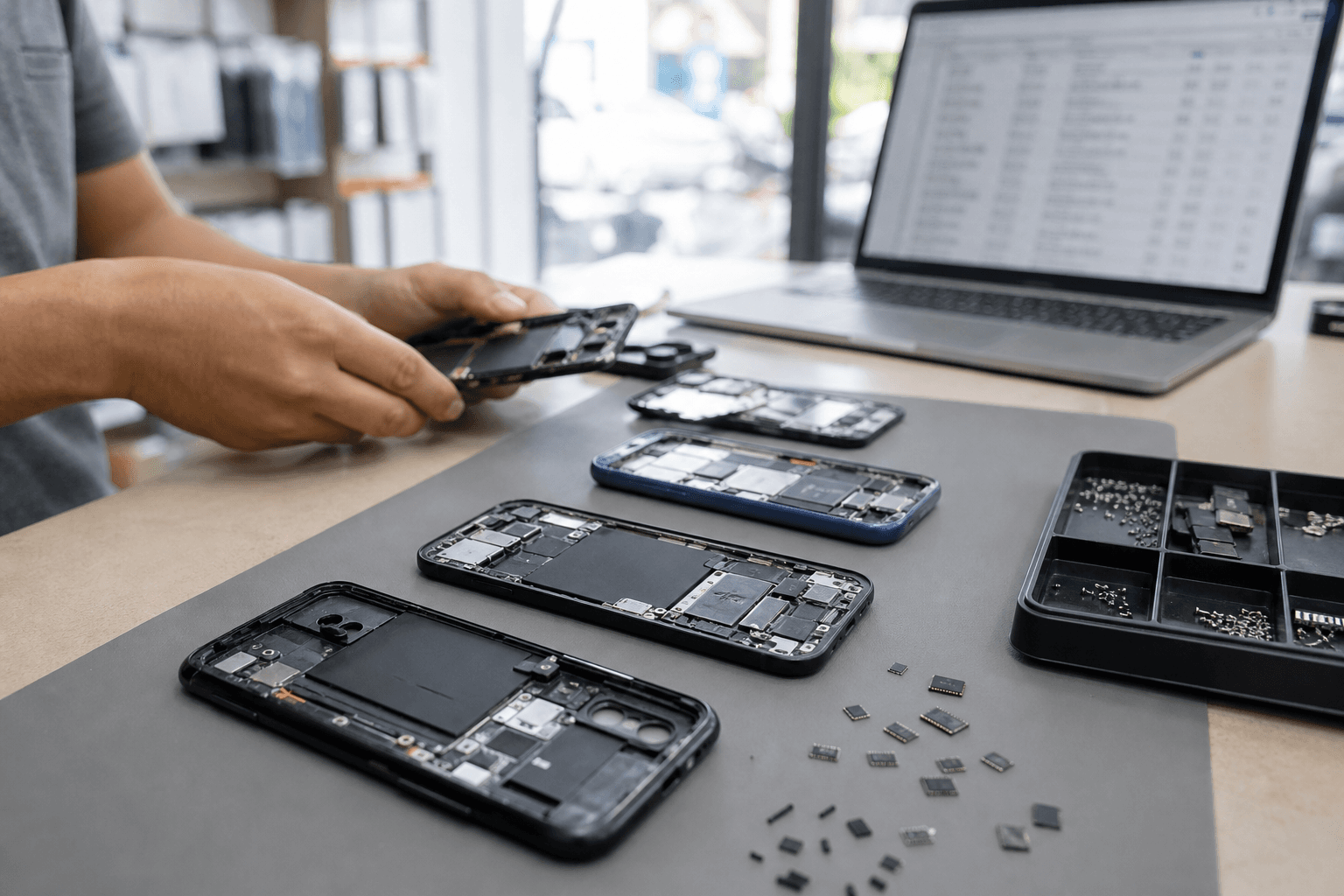
TL;DR: Counterpoint Research now expects 2026 global smartphone shipments to fall 13.9% to 1.08 billion units, with memory shortages doing the damage. The market implication is sharper than “phones get expensive.” Memory suppliers and large premium handset makers are quietly deciding which phones reach shelves at all, while budget Android brands lose the ability to protect both price and volume. #What Counterpoint's Smartphone Cut Really Says The new smartphone forecast looks like a consumer-electronics story. It is really an allocation story. Counterpoint Research's latest outlook says 2026 shipments are headed for the worst annual decline on record. A Reuters-syndicated report put the expected drop at 13.9% to 1.08 billion units, down from Counterpoint's prior 12.4% decline estimate. That is not just a demand chart moving down. It is a sign that the cheapest end of the phone market is being repriced by a component that shoppers rarely think about: memory. #Why Memory Now Has Shelf-Space Power Memory used to be the invisible part of the phone bill. More storage or RAM was a spec line, not the central business problem. That changes when AI data centers, servers, PCs, and smartphones all want more DRAM and NAND at the same time. The supplier does not have to treat a $120 handset and a high-margin enterprise customer as equals. The ordinary retail scene is easy to picture. A regional electronics buyer wants enough low-cost Android inventory for back-to-school or carrier prepaid demand. The supplier invoice comes back with higher component assumptions, fewer confirmed units, or a configuration that forces a worse tradeoff. The retailer can still fill the shelf. It just may not be the same shelf: fewer sub-$150 models more refurbished inventory longer promotion cycles for older devices stronger placement for premium brands with secured supply That