Smartphone Slump Turns AI Memory Into a Consumer Tax

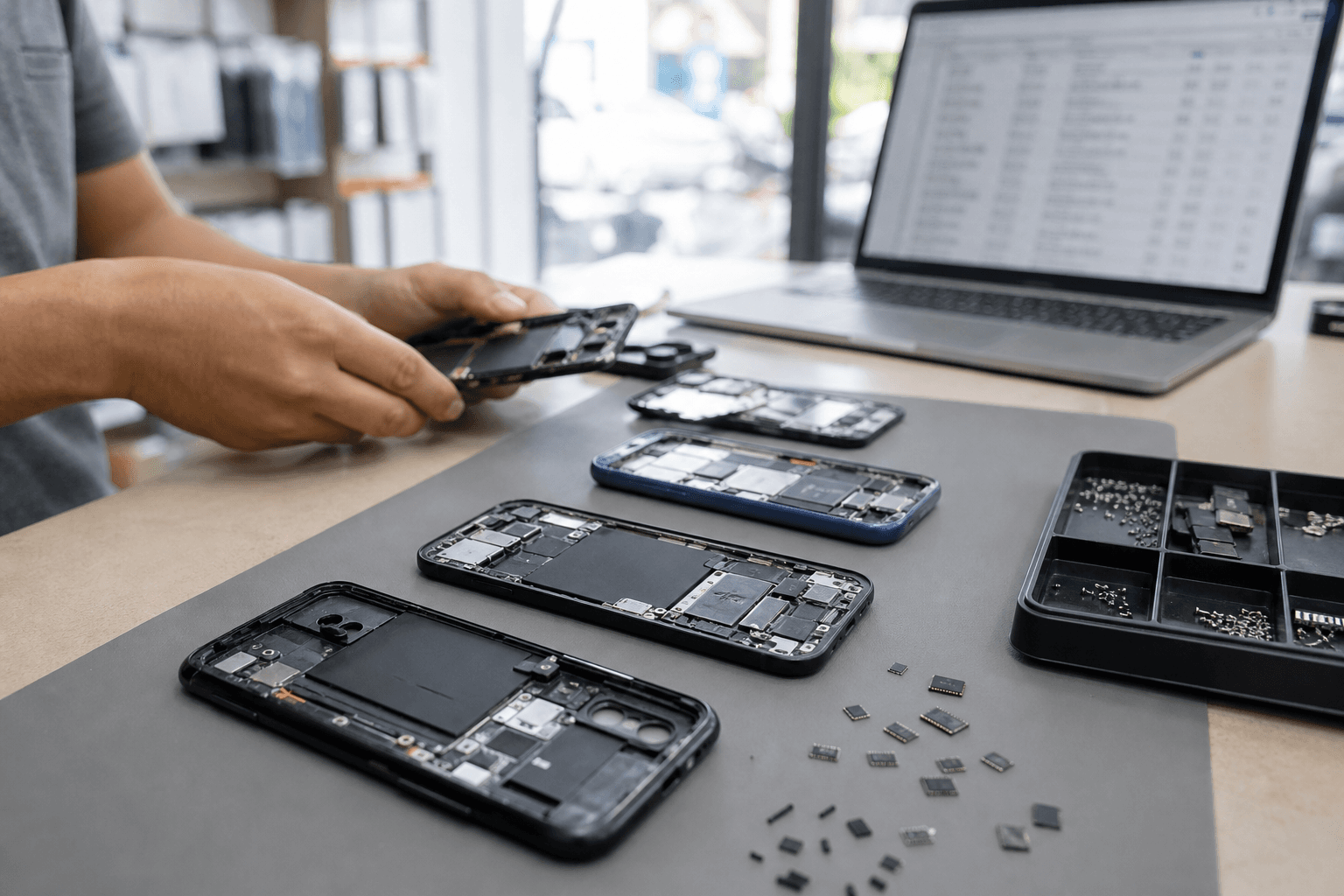
TL;DR: IDC now expects global smartphone shipments to fall 13.9% in 2026 to 1.09 billion units, the steepest drop in the category's history. The important part is not that phones are suddenly unpopular. It is that AI data centers have turned memory supply into a bidding war, and low-end Android phones are the customer with the least pricing power.
##What the smartphone downgrade really says
The smartphone market is not having a normal demand wobble. IDC's latest tracker says worldwide smartphone shipments are forecast to decline 13.9% in 2026, reaching 1.09 billion units, the lowest level since 2013.
That headline sounds like a device-cycle story. It is more useful as a supply-chain price story.
The same IDC note says smartphone average selling price is expected to hit a record $550, up $100 from last year, even while units fall. That is the tell. The industry is not discounting its way through weak demand. It is rationing scarce components into products that can absorb the bill.
##Why AI memory demand is showing up at the phone counter
The quiet bridge between a data center and a budget phone is memory. DRAM and NAND are not glamorous line items for consumers, but they decide whether a $150 or $250 Android device still works as a profitable product.
Counterpoint has framed the 2026 smartphone contraction as a memory crisis, with its February outlook warning that shipments could fall below 1.1 billion units as memory shortages and higher component costs squeeze handset makers.
Gartner put the mechanism more bluntly: surging memory costs are projected to push smartphone shipments down 8.4% in 2026, while smartphone prices rise 13%. Different forecast, same direction.
The result is a strange consumer-tax effect. AI infrastructure spending does not appear on the phone receipt, but it changes the price floor underneath the device.
#The low-end phone has no cushion
At a premium price point, a vendor can hide higher memory costs inside a stronger camera, a better screen, a financing plan, or a carrier promotion. At the bottom of the Android market, there is nowhere to hide.
If the memory bill rises, the vendor has only a few choices:
- ship fewer low-end models;
- raise prices and lose the most price-sensitive buyers;
- reduce specs and risk a bad customer experience;
- push consumers toward refurbished or older devices.
That is why this is not just a Samsung, Apple, or Huawei share story. It is a margin architecture story. The phone categories with the weakest margins are the first to disappear when a common input gets repriced.

##Where the squeeze becomes visible
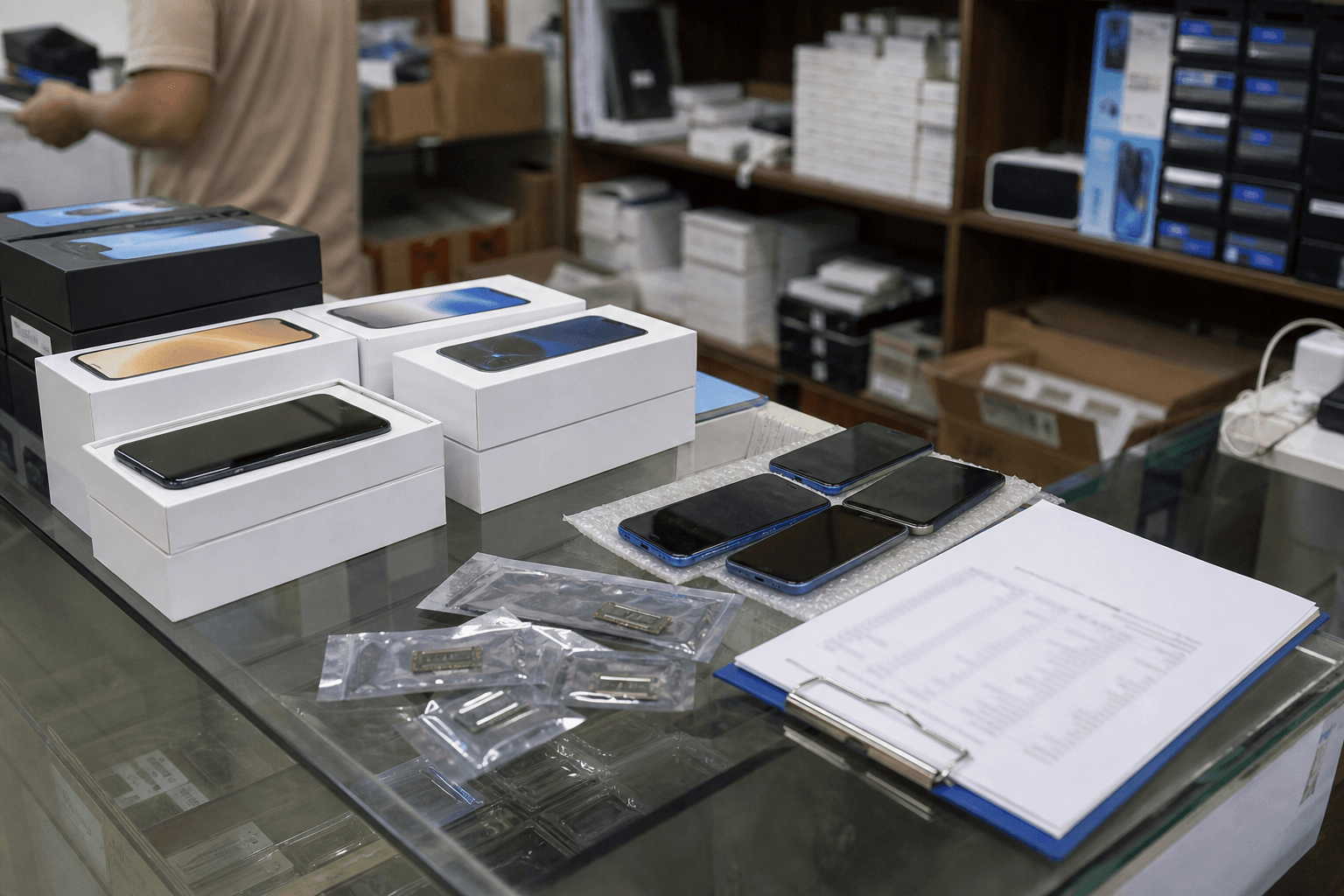
Picture a small phone distributor deciding what to order for the next quarter. The premium devices still have promotions, financing, and carrier support. The entry-level Android models have a narrower problem: a few dollars of extra memory cost can erase the margin.
That buyer does not need a grand theory about artificial intelligence. The order sheet already says enough.
The phones that used to make sense at $99 or $149 now need either a higher price or a lower spec. Neither is clean. A higher price pushes buyers to wait. A lower spec makes the phone feel old on day one.
This is how a semiconductor allocation decision becomes a consumer replacement-cycle decision.
#The used-phone market becomes a pressure valve
Gartner expects entry-level smartphone buyers to exit the market faster than premium buyers in 2026. That does not mean those users stop needing phones. It means they stretch devices longer, buy used, repair more often, or trade down in less visible ways.
That matters for investors because unit weakness can coexist with revenue resilience. A vendor with premium share, early memory supply, and a strong trade-in ecosystem can look fine while the broader device base gets older.
The dangerous mistake is to read a smartphone shipment decline as one clean negative. It is uneven. It punishes low-margin volume and rewards control over supply, financing, and resale channels.
##Who benefits from the new phone math
IDC says North America is expected to fall less sharply than many other regions because premium phones dominate the mix. It also says iOS share is forecast to reach its highest annual level, while Samsung and Huawei have different ways to defend position in premium or domestic segments.
That is the market's new sorting rule.
Scale matters, but not in the old unit-volume sense. The better business is no longer simply the one shipping the most handsets. It is the one that can reserve components early, carry higher ASPs, keep consumers inside financing or trade-in loops, and avoid being trapped below the price point where memory inflation breaks the model.
For memory suppliers, the incentive is also obvious. AI servers and premium devices are better customers than thin-margin budget phones. The chipmaker does not need to dislike consumer electronics. It only needs to follow gross margin.
##What investors should watch next
The useful signal is not just the next shipment forecast. It is the spread between units, ASP, and replacement behavior.
If shipments keep falling but ASPs stay high, the market is confirming that vendors are protecting margin over volume. If refurbished demand accelerates, the low-end consumer is not gone; the consumer has moved to a different channel. If smaller Android brands lose share, memory allocation has become a competitive weapon.
The smartphone market used to be a clean proxy for consumer tech demand. In 2026, it is becoming a proxy for who gets priority when AI infrastructure competes with everyday electronics for the same input.
The next budget phone may not fail because consumers rejected it. It may fail because the data center got to the memory line first.
#FAQ
Why are smartphone shipments forecast to fall in 2026?
IDC, Counterpoint, and Gartner all point to memory shortages and higher component costs as major causes. IDC also cites geopolitical and transport-cost pressure, but the dominant business mechanism is that memory inflation makes low-end phones harder to produce profitably.
Why does AI infrastructure affect phones?
AI data centers consume large amounts of advanced memory and related supply-chain capacity. When memory suppliers prioritize higher-value AI and server demand, smartphone makers face higher costs or weaker allocation for DRAM and NAND used in consumer devices.
Who is hurt most by the smartphone memory squeeze?
Low-end Android vendors and price-sensitive consumers are hurt first because there is little margin cushion. Premium vendors, refurbished-device channels, and memory suppliers are better positioned because they have pricing power, supply leverage, or a stronger used-device funnel.