Counterpoint's Smartphone Cut Shows Memory Now Allocates the Budget Phone Market

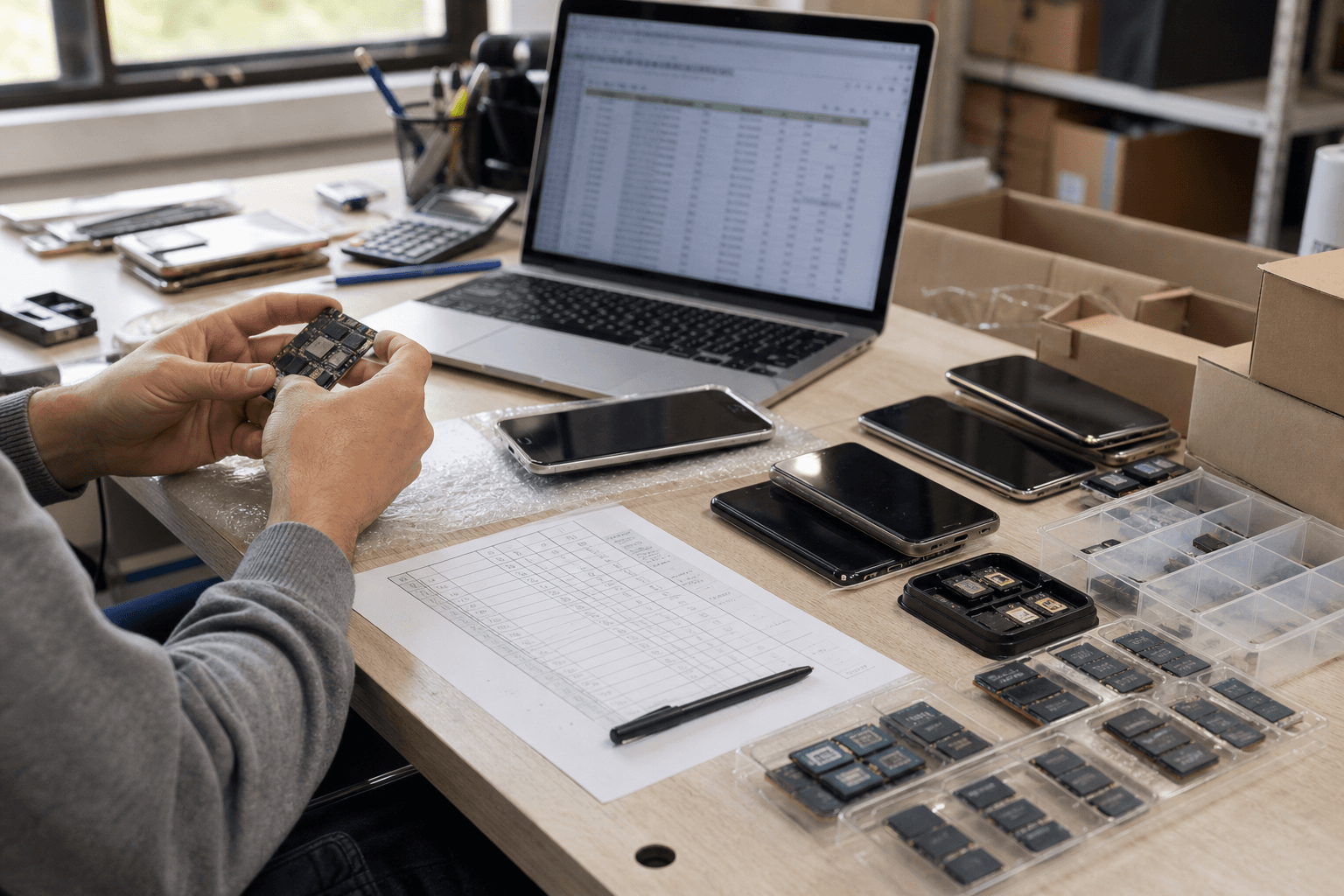
TL;DR: Counterpoint Research now expects 2026 global smartphone shipments to fall 13.9% to 1.08 billion units, with memory shortages doing the damage. The market implication is sharper than “phones get expensive.” Memory suppliers and large premium handset makers are quietly deciding which phones reach shelves at all, while budget Android brands lose the ability to protect both price and volume.
##What Counterpoint's Smartphone Cut Really Says
The new smartphone forecast looks like a consumer-electronics story. It is really an allocation story.
Counterpoint Research's latest outlook says 2026 shipments are headed for the worst annual decline on record. A Reuters-syndicated report put the expected drop at 13.9% to 1.08 billion units, down from Counterpoint's prior 12.4% decline estimate.
That is not just a demand chart moving down. It is a sign that the cheapest end of the phone market is being repriced by a component that shoppers rarely think about: memory.
##Why Memory Now Has Shelf-Space Power
Memory used to be the invisible part of the phone bill. More storage or RAM was a spec line, not the central business problem.
That changes when AI data centers, servers, PCs, and smartphones all want more DRAM and NAND at the same time. The supplier does not have to treat a $120 handset and a high-margin enterprise customer as equals.
The ordinary retail scene is easy to picture. A regional electronics buyer wants enough low-cost Android inventory for back-to-school or carrier prepaid demand. The supplier invoice comes back with higher component assumptions, fewer confirmed units, or a configuration that forces a worse tradeoff.
The retailer can still fill the shelf. It just may not be the same shelf:
- fewer sub-$150 models
- more refurbished inventory
- longer promotion cycles for older devices
- stronger placement for premium brands with secured supply
That is how a chip shortage becomes a consumer-finance story.
##Where The Margin Pressure Lands
#Why the low-end Android model breaks first
The brutal part is not that memory costs rise. It is that low-end phone makers have almost no room to hide the increase.
A premium phone can absorb some component inflation because the sticker price, financing plan, and upgrade trade-in machine are already built around a higher gross-profit pool. A budget phone is different. Raise the price too much and the buyer keeps the old phone, buys used, or downgrades the purchase entirely.
IDC's smartphone forecast makes the same mechanism visible from another angle: worldwide shipments are forecast to fall 13.9% in 2026, while average selling price rises to a record $550, up $100 from last year. IDC also expects North America to hold up better than many regions because the market is already tilted toward premium phones.
That matters for investors because unit share can start lying. A smaller brand may not be losing because its product suddenly got worse. It may be losing because the economics of serving its core customer no longer clear.
##Who Benefits When Cheap Phones Get Scarce
#Scale becomes a supply-chain feature
The winners are not automatically the companies with the flashiest AI features. The winners are the companies that can secure memory early, defend price, and keep the channel confident.
Reuters reported that Apple is expected by Counterpoint to keep 2026 shipments roughly flat before rising next year, while Samsung is expected to decline far less than the overall market. Transsion, which is heavily exposed to sub-$150 phones, is forecast to fall much more sharply.
This is the overlooked investment angle: the smartphone market may be shrinking in units while improving the relative position of the players that already looked expensive.
That sounds unfair. It is also how supply shocks often work. Scarcity rarely hurts every balance sheet evenly.
##What U.S. Readers Should Watch Next
For a U.S. reader, the cleanest signal is not a single phone price. It is behavior around replacement cycles.
Gartner said in February that rising memory costs could push smartphone prices up 13% versus 2025 and make buyers hold devices longer. If that shows up in carrier upgrade activity, trade-in values, or refurbished demand, the pressure will spread beyond handset vendors.
Carriers may lean harder on financing. Retailers may give more shelf space to used devices. Smaller Android vendors may ship fewer models, not because demand vanished, but because the wrong customer segment became too costly to serve.
The point is not that the smartphone is dead. The point is that the cheap smartphone was partly a memory-cycle subsidy. When that subsidy disappears, the whole channel has to admit who was really paying for affordability.
#FAQ
Why is this a finance story instead of a pure tech story?
Because the core issue is margin transfer. Higher memory costs move pricing power away from low-end handset brands and toward suppliers, premium vendors, carriers, and the refurbished channel.
Does this mean Apple and Samsung are immune?
No. It means their scale, margins, and supply agreements give them more choices than budget-focused rivals. They can still face softer demand, but they are less likely to be forced out of key price bands.
What is the main risk for investors?
The risk is reading shipment declines as simple weak demand. The more useful question is which companies can keep products available without destroying margins, because availability may become the real competitive advantage.