CPKC's IBEW Strike Plan Tests The Price Of Rail Reliability
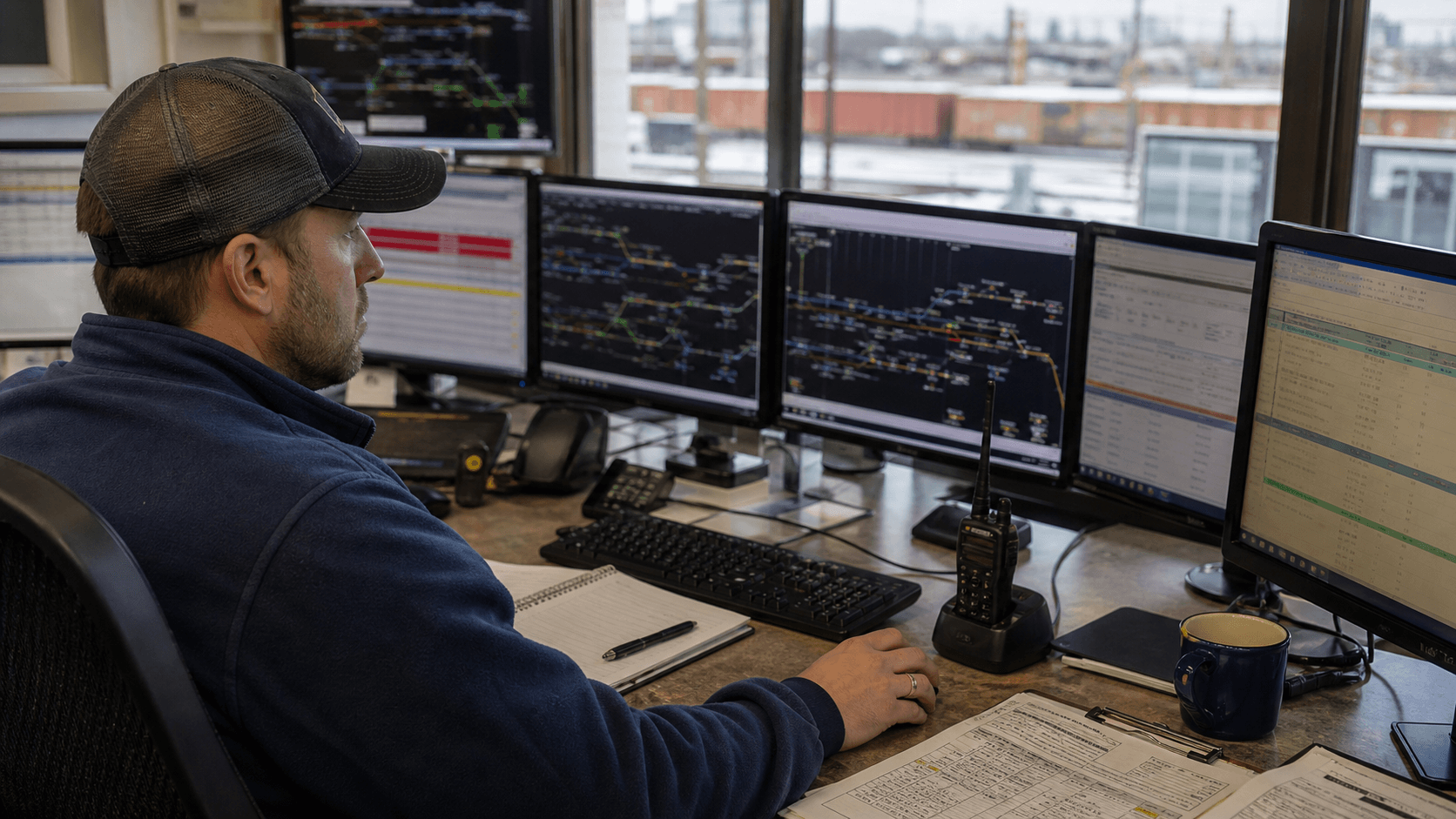
TL;DR: Canadian Pacific Kansas City said on May 31 that it had put contingency plans in place to keep Canadian rail operations running after about 300 signals-and-communications employees represented by IBEW went on strike. The business point is not the labor fight itself. It is that rail reliability is becoming a product CPKC sells to shippers, investors, and regulators, especially on a network built to move freight across Canada, the United States, and Mexico. #What CPKC Is Really Testing During The IBEW Strike CPKC said it would maintain rail operations across Canada after the International Brotherhood of Electrical Workers' Canadian Signals and Communications System Council No. 11 rejected the railway's latest contract offers and launched a strike at 08:00 MDT on Sunday, May 31. That sentence sounds like a labor update. For customers, it reads more like a service-level claim. Signals and communications work is not glamorous freight economics. It is the quiet layer that helps trains move safely, dispatchers route around trouble, and terminals avoid turning one repair backlog into a customer-delay spiral. The strike covers about 300 Canadian signals-and-communications employees, according to CPKC. That is small next to the whole railway, but the work sits close to the operating nerve center. #Why Rail Reliability Has Become A Commercial Product Railroads do not just sell miles. They sell confidence that a shipper can plan around those miles. That matters more after several years in which retailers, energy producers, automakers, food companies, and industrial suppliers learned that the cheapest lane is not cheap when it misses a plant schedule or a port handoff. The customer is buying the exception plan Picture a shipper's transportation manager on Monday morning. The spreadsheet does not ask whether a signal maintainer is represented by one union or another. It asks whether the boxcar, hopper, or intermodal container will still make the next handoff. That is the real business test inside CPKC's statement. If service keeps moving, CPKC proves that contingency staffing, dispatch discipline, and maintenance triage are part of the product. If service frays, the discussion quickly moves from wage proposals to missed dwell-time promises and truck substitution. #Where The Network Makes The Stakes Larger CPKC is not a local railroad trying to protect one corridor. It markets itself around a cross-border system connecting Canada, the United States, and Mexico, and its 2025 annual report describes a network of roughly 20,000 miles after the Canadian Pacific-Kansas City Southern combination. That network is the selling point. It is also the operational burden. When a railway promises a North American lane, the customer hears fewer handoffs, fewer interchange excuses, and more control over the trip. A labor interruption in one country tests whether that promise is truly integrated or merely branded as integrated. The hidden financial question is simple: Can CPKC keep freight fluid without overpaying for emergency workarounds? Can it protect customer confidence without turning contingency operations into a margin leak? Can it preserve the cross-border service story that justified the network combination? None of those questions show up neatly in a press release headline. They show up in car velocity, terminal dwell, customer calls, and whether shippers keep awarding lanes. #How The Margin Mechanism Works Railroad operating leverage cuts both ways. When trains run smoothly, fixed assets do more work. Locomotives, crews, yards, and dispatch systems spread cost across more revenue moves. When the network slows, the same asset base starts absorbing delay, overtime, equipment imbalance, and customer concessions. CPKC's own first-quarter 2026 filing showed total revenue of $3.701 billion and an operating ratio of 66.0%, a reminder that investors are watching both volume quality and operating discipline. A strike does not have to become a systemwide crisis to matter financially. It only has to make the railroad spend more effort to deliver the same trip. Reliability protects pricing before it lifts pricing The strongest railroads do not win pricing power by promising perfection. They win it by making disruptions feel less random to customers. That is why the signal-room scene matters. A dispatcher staring at a screen, a radio handset, a printed work order, and a fallback crew schedule is not a side detail. It is the place where a shipper's rate negotiation is quietly being defended. #Who Should Watch This Beyond The Labor Headline Investors should not treat this as a simple "strike equals bad" story. The better read is whether CPKC can demonstrate resilience without making resilience too expensive. Shippers should watch service notices and lane-level performance, not just management statements. If intermodal, automotive, grain, potash, energy, or industrial customers start building in more buffer, CPKC's reliability premium weakens. Competitors should watch for temporary share opportunities. A rail customer does not need to abandon a carrier permanently to change the economics. A few rerouted lanes can teach a procurement desk that it has more options than it thought. #What The Market May Be Missing The market often values railroad labor stories as short-term disruption risk. That is too narrow. CPKC's May 31 update is a live test of whether its integrated North American network can absorb a specialized operating shock and still behave like a premium freight product. The company does not have to win a headline argument this week. It has to keep customers from turning a contingency plan into a reason to re-shop the lane. That is the quiet twist in the strike. The public fight is about a contract. The commercial fight is about whether reliability still feels scarce enough to pay for. #FAQ What happened at CPKC on May 31, 2026? CPKC said about 300 Canadian signals-and-communications employees represented by IBEW began a strike at 08:00 MDT after rejecting the railway's latest contract offers. The company said it had implemented contingency plans and that rail service continued. Why does a signals-and-communications strike matter financially? Signals and communications work supports safe routing, dispatching, maintenance response, and service continuity. If that layer weakens, the financial impact can appear through delays, overtime, customer concessions, and lower confidence in future freight awards. Is this mainly a labor story or an investing story? It is both, but Gainbrief's angle is the investing mechanism. CPKC's ability to maintain service during a specialized labor disruption tests whether its North American network reliability is a durable commercial asset or just a normal railroad promise under stress.