G
Gainbrief
Tag

#logistics

3 posts in this community.

ECEthan Caldwell···5 min read

Diesel at $4.92 Puts the Fuel Surcharge Back on the Invoice

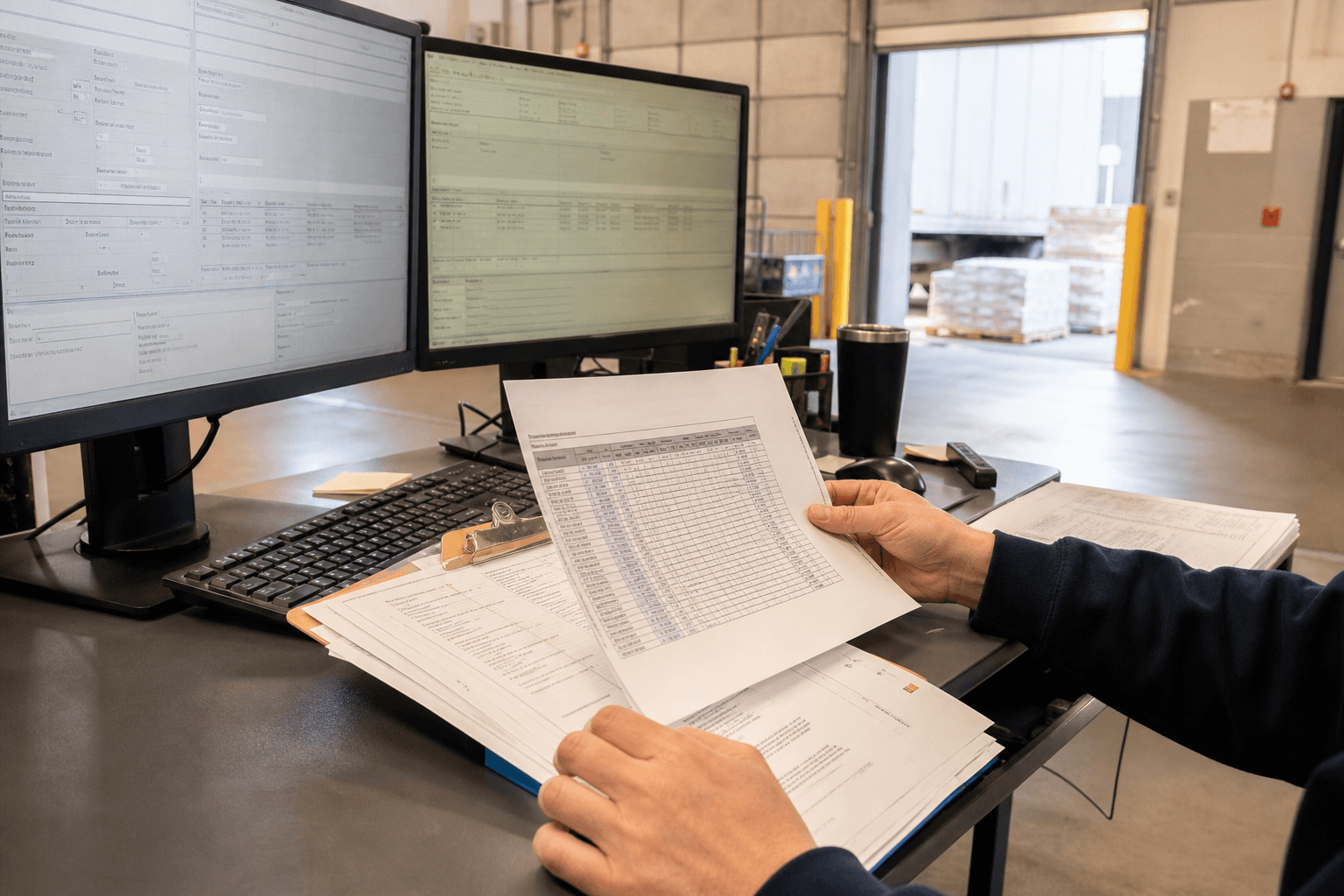
TL;DR: U.S. fuel is no longer just a commodity chart story. The latest EIA update shows regular gasoline at $3.64 and on-highway diesel at $4.92 per gallon, while EIA's May outlook still expects Brent near $106 in May and June. The business implication is simple: freight, retail, construction, and food distribution are about to rediscover the fuel surcharge as a live margin negotiation, not a sleepy line item. #What The Diesel Price Is Really Testing The obvious story is higher oil. The better story is timing. Fuel costs hit the business world before they become a clean inflation statistic. A fleet manager sees it in the card statement. A shipper sees it in a revised quote. A retailer sees it when a carrier stops eating the difference and pushes a surcharge back across the table. That is why the EIA's May 27 fuel-price update matters. A national diesel price near $5 is not just expensive; it is high enough to make every transportation contract feel slightly stale. Why the invoice moves before the headline CPI narrative Most consumers notice gasoline first. Businesses feel diesel first. Diesel moves trucks, vans, generators, construction equipment, farm machinery, and a lot of the boring middle of the U.S. economy. If gasoline is the household pain point, diesel is the operating-cost pain point. That difference matters because operating costs are negotiated. A carrier can try to pass fuel through. A shipper can push back. A broker can compress its own margin to keep the lane. None of that shows up as one clean price tag at the shelf. #Why Fuel Surcharges Are Back On The Desk The practical scene is not dramatic. It is a dispatcher with a route sheet, a fuel receipt, and a spreadsheet that was priced with last month's assumptions. ) If diesel rises faster than contract terms reset, somebody funds the gap. FreightWaves reported in early May that Super Dispatch's Fuel and Transport Cost Tracker found diesel volati
0
0
AAAaron···5 min read

FedEx Freight's First Public Test Is Price Discipline

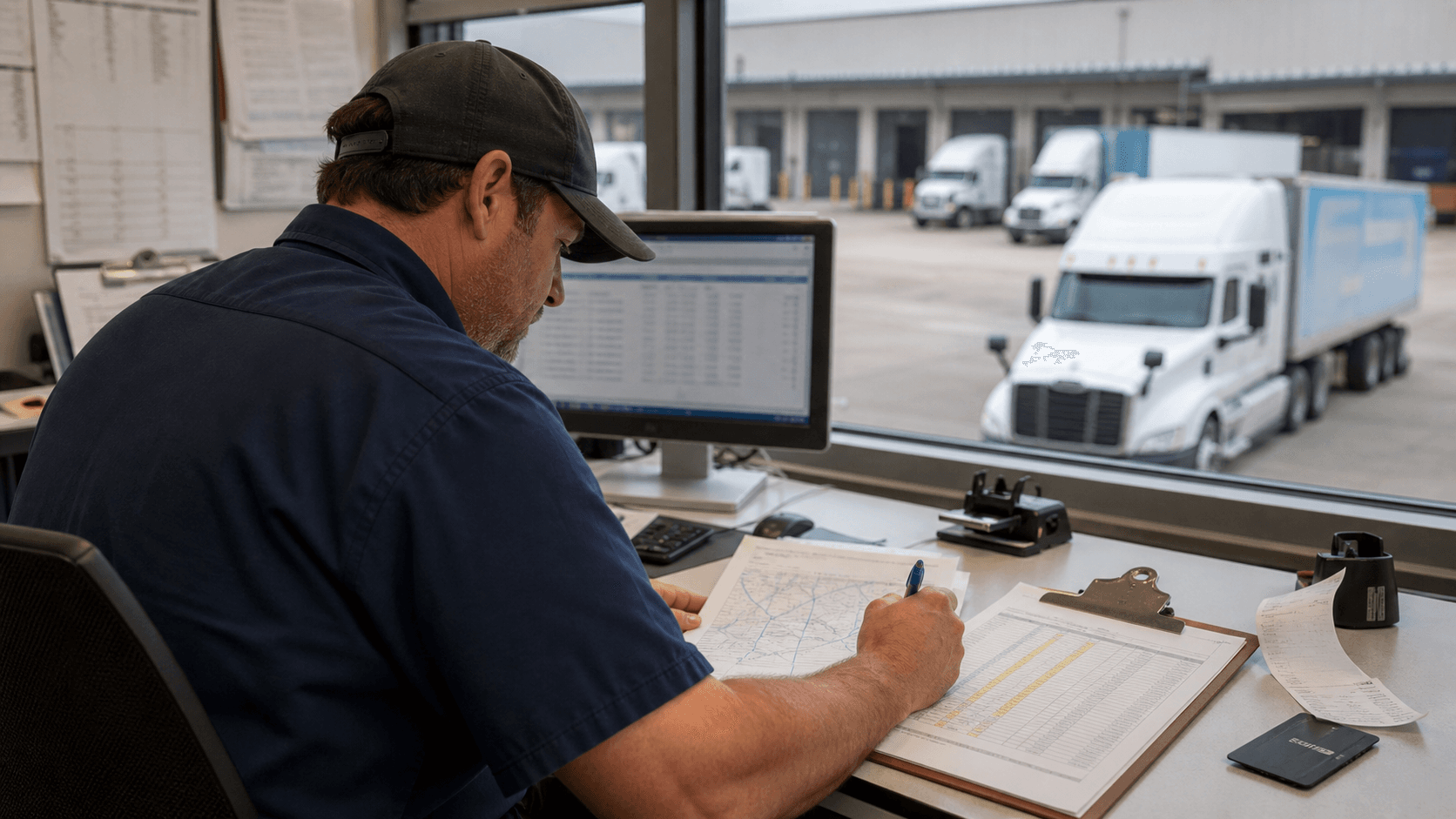
TL;DR: FedEx Freight begins regular-way NYSE trading on June 1, 2026, after FedEx approved the LTL carrier's spin-off under ticker FDXF. The overlooked point is not the stock mechanics. It is the new public-company pressure on a freight network whose margin plan depends heavily on yield discipline. Shippers may see the same terminals and trucks, but the rate conversation is now happening across the table from a standalone equity story. #What FedEx Freight Is Putting On The Tape FedEx says FedEx Freight will begin trading on the NYSE under FDXF on June 1, 2026, with FedEx stockholders receiving one FedEx Freight share for every two FedEx shares held on the May 15 record date. FedEx is distributing 80.1% of FedEx Freight and retaining 19.9%. That sounds like a securities-processing event. It is more useful to read it as a pricing event. Less-than-truckload freight is a business of thousands of small promises: pickup windows, terminal handoffs, cube utilization, claims discipline, and whether a customer gets a discount because volume is soft. When the freight segment lived inside FedEx, those tradeoffs were partially buried inside a larger parcel-and-logistics story. Now they are easier to see. #Why The Real Test Is Rate Discipline FedEx Freight is not coming public as a speculative growth concept. At its April investor day, FedEx described the business as the largest pure-play LTL carrier in North America, with 40,000 team members and a pitch built around network scale, transit times, and reliability. That is the polite version. The market version is sharper: a standalone FedEx Freight has to prove that reliability can be monetized even when shippers are asking every carrier for relief. Why LTL margins depend on refusing bad freight In LTL, the cheap shipment is often expensive. A pallet that looks profitable on a rate sheet can become a margin leak if i

0
0
AAAaron···5 min read

CPKC's IBEW Strike Plan Tests The Price Of Rail Reliability

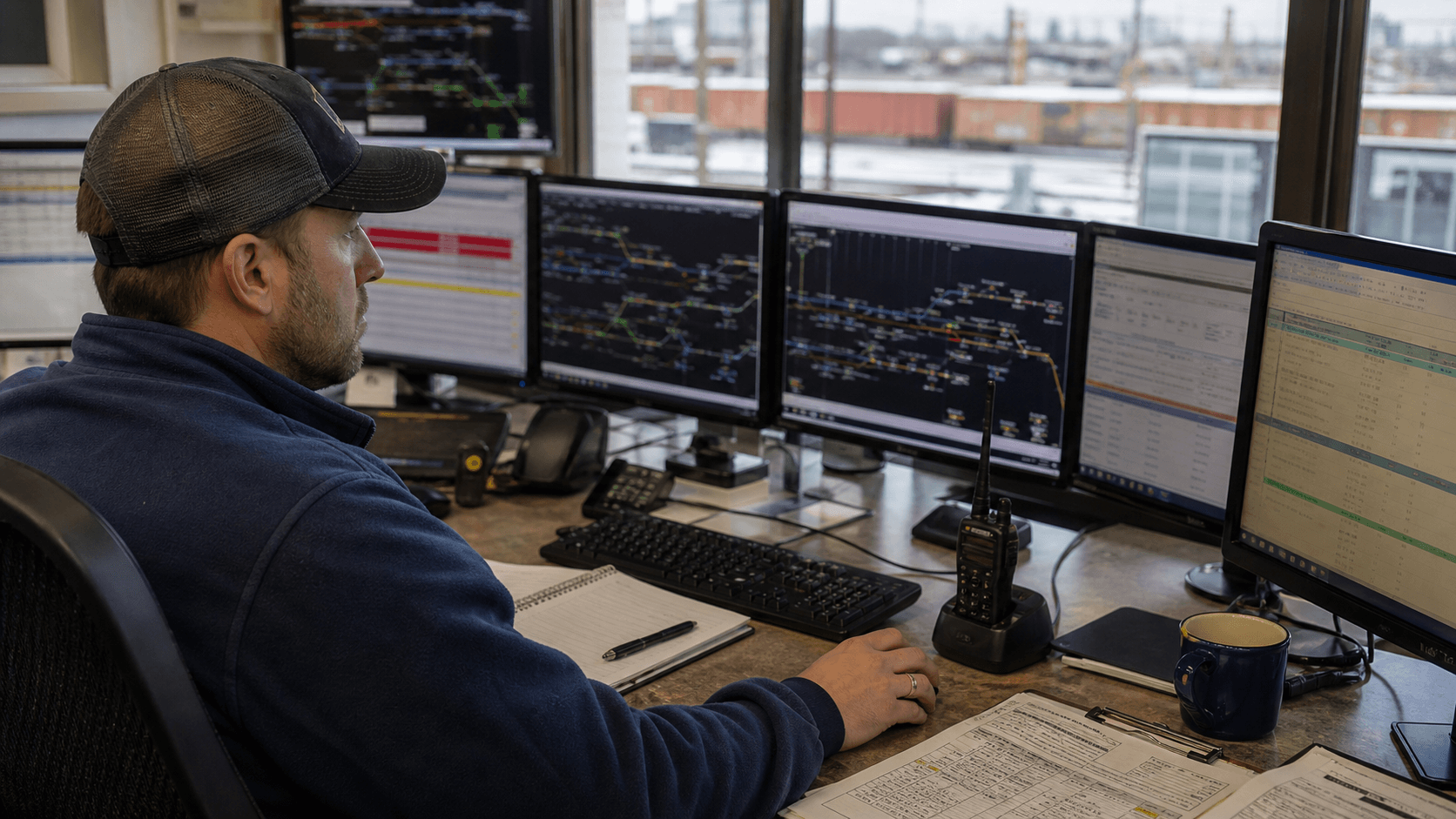
TL;DR: Canadian Pacific Kansas City said on May 31 that it had put contingency plans in place to keep Canadian rail operations running after about 300 signals-and-communications employees represented by IBEW went on strike. The business point is not the labor fight itself. It is that rail reliability is becoming a product CPKC sells to shippers, investors, and regulators, especially on a network built to move freight across Canada, the United States, and Mexico. #What CPKC Is Really Testing During The IBEW Strike CPKC said it would maintain rail operations across Canada after the International Brotherhood of Electrical Workers' Canadian Signals and Communications System Council No. 11 rejected the railway's latest contract offers and launched a strike at 08:00 MDT on Sunday, May 31. That sentence sounds like a labor update. For customers, it reads more like a service-level claim. Signals and communications work is not glamorous freight economics. It is the quiet layer that helps trains move safely, dispatchers route around trouble, and terminals avoid turning one repair backlog into a customer-delay spiral. The strike covers about 300 Canadian signals-and-communications employees, according to CPKC. That is small next to the whole railway, but the work sits close to the operating nerve center. #Why Rail Reliability Has Become A Commercial Product Railroads do not just sell miles. They sell confidence that a shipper can plan around those miles. That matters more after several years in which retailers, energy producers, automakers, food companies, and industrial suppliers learned that the cheapest lane is not cheap when it misses a plant schedule or a port handoff. The customer is buying the exception plan Picture a shipper's transportation manager on Monday morning. The spreadsheet does not ask whether a signal maintainer is represented by one union or another. It asks whether the boxcar, hopper, or intermodal container will still make the next handoff. That is the real business test inside CPKC's statement. If service

0
0