Southwest's MAX 7 Delay Turns Fleet Simplicity Into A Pricing Bet

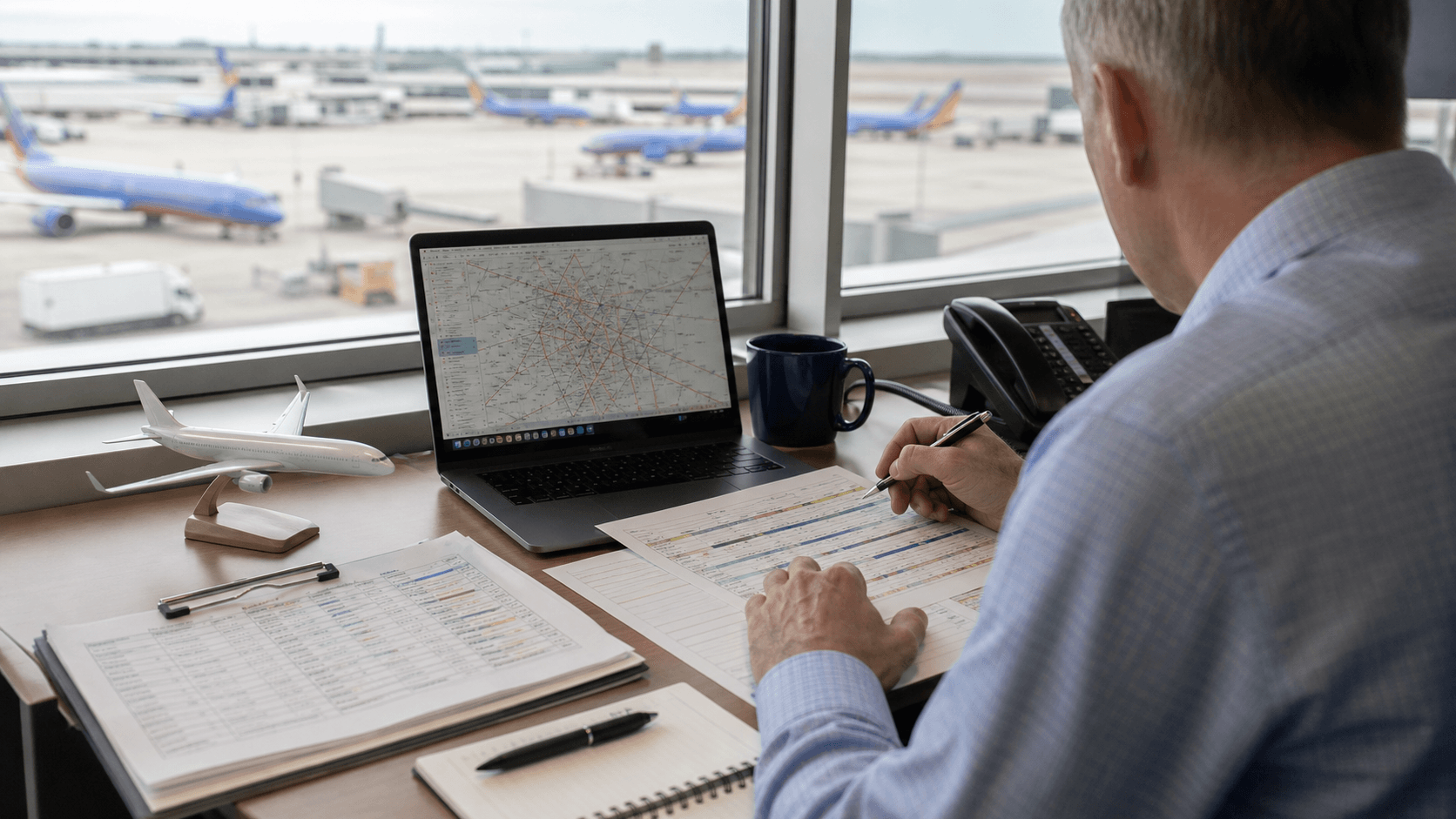
TL;DR: Southwest Airlines now expects Boeing's long-delayed 737 MAX 7 to enter revenue service in 2027, not as a quick 2026 capacity fix. The overlooked business point is not only Boeing delay risk; it is that Southwest is choosing fleet simplicity while it rebuilds revenue around assigned seating, extra-legroom seats, lounges, and longer routes. That makes every new aircraft a pricing bet, not just a delivery slot.
##What Changed In Southwest's MAX 7 Timeline
Southwest's operating plan just got a little more honest.
In a June 6 Reuters interview, Southwest Chief Operating Officer Andrew Watterson said the airline expects the Boeing 737 MAX 7 to enter revenue service in 2027, after roughly six months of internal work once the aircraft is certified by the FAA. That includes adding the airplane to manuals, specifications, and operating procedures.
That sounds like a technical calendar item. It is really a commercial constraint.
Southwest has spent decades making money from operational sameness: one aircraft family, quick turns, dense domestic flying, and a customer proposition simple enough to sell at scale. The MAX 7 delay matters because the airline is trying to change the revenue model while the fleet tool it wants for smaller and medium routes is still not ready.
##Why This Is A Pricing-Power Story
Southwest is no longer just waiting for airplanes. It is trying to sell a more complicated version of Southwest before all of the aircraft economics are in place.
The company's first-quarter release said it launched assigned and extra-legroom seating on January 27, 2026, with first-quarter RASM up 11.2% year over year on capacity growth of 1.5%. That is a real revenue signal. It also came with a cost reminder: Southwest guided second-quarter CASM-X up 3.5% to 4.0%, including a 1.2-point impact from removing six seats from the Boeing 737-700 fleet to enable extra-legroom seating.
That is the crux.
Premium seating is not free money when the cabin has to be physically reworked, capacity is tight, and the network still depends on high aircraft utilization. The investor question is whether Southwest can make the new seat map produce more dollars than the old model lost in simplicity.
#The Seat Map Is Now A Margin Line
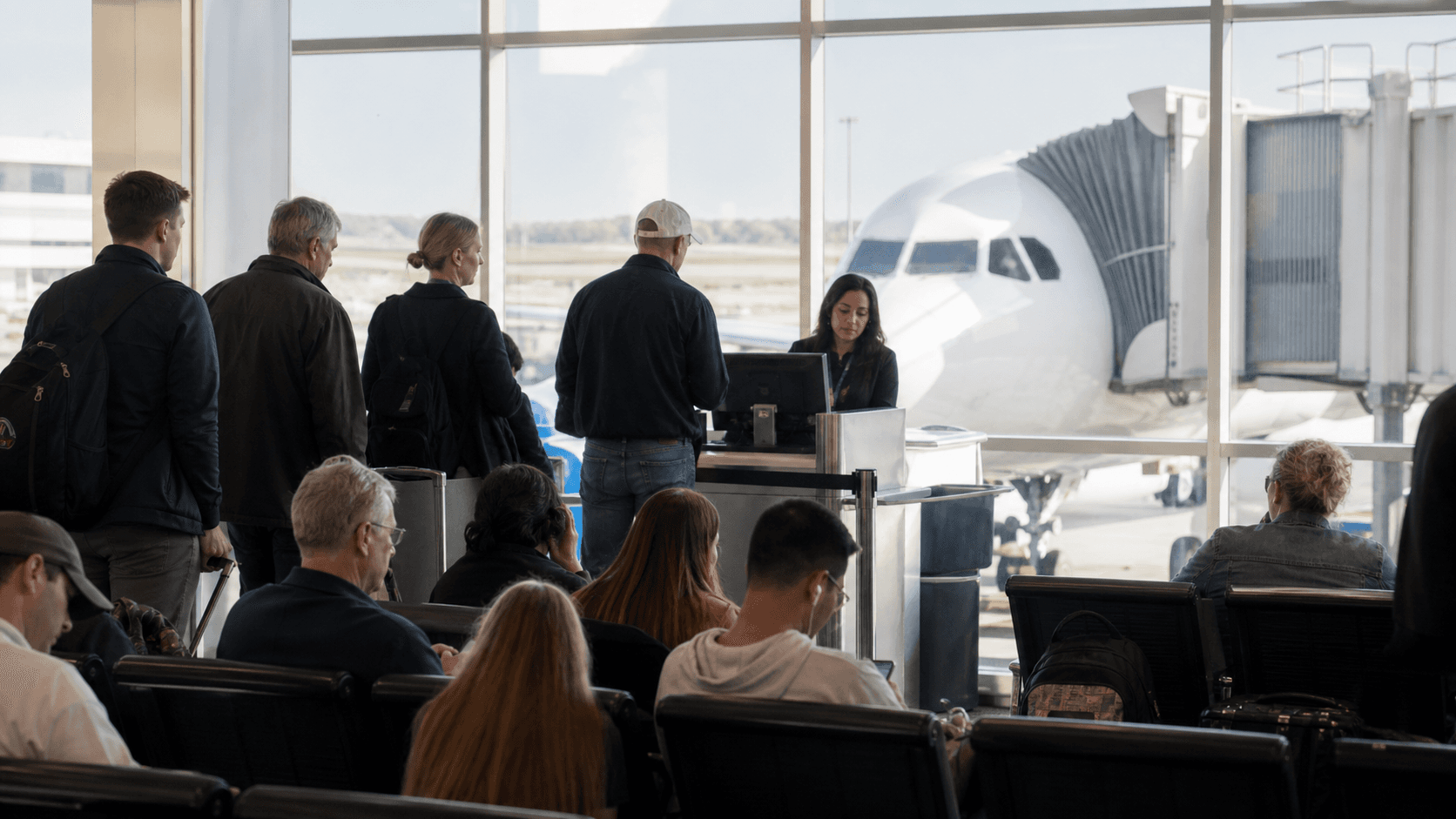
Picture a domestic gate during boarding. The old Southwest machine cared about getting the aircraft full and turned quickly. Seat choice was part of the brand, but it was not a separate inventory system.
Now the same gate has more pricing fences: assigned seats, extra legroom, boarding priority, fare bundles, bag fees, and eventually maybe lounges or longer-haul partner-style flying. That can raise revenue per passenger, but it also gives customers more moments to compare Southwest with Delta, United, American, and JetBlue.
Once Southwest looks more like other airlines, it has to win like other airlines.
##Where The Fleet Constraint Shows Up
The MAX 7 is important because Southwest is still committed to fleet commonality.
Its latest 10-Q says Southwest's Boeing order book for 737-7 and 737-8 MAX aircraft extends to 2031 and was designed to support growth, fleet modernization, and flexibility. The filing also says delivery timing for the 737-7 depends on FAA certifications and approvals.
Watterson told Reuters that Southwest remains focused on the MAX family rather than adding another aircraft type. That is not stubbornness for its own sake. A second fleet type can add pilot training, maintenance complexity, spare-parts inventory, scheduling friction, and management distraction.
But the tradeoff is real. Keeping the fleet simple protects the cost base; it also keeps Southwest exposed to Boeing's certification and delivery clock.
#Simplicity Is Cheaper Until It Becomes Inflexible
The old Southwest advantage was that simplicity created speed. One family of aircraft meant fewer handoffs and fewer exceptions.
The new risk is that simplicity becomes a bottleneck. If the MAX 7 is late, Southwest has to keep squeezing more revenue out of existing aircraft and retrofit decisions, while competitors can attack premium domestic demand with fleets already built around segmentation.
That is not a reason to buy a second aircraft type tomorrow. It is a reason investors should stop treating fleet commonality as an automatic virtue.
##Who Benefits And Who Pays
The clearest beneficiaries are passengers willing to pay for certainty: an assigned seat, more legroom, better Wi-Fi, or a more predictable airport experience. Southwest is trying to monetize people who liked the network but wanted more control.
The bill gets spread across the rest of the system.
- Southwest pays through cabin changes, training, technology, and the risk that boarding becomes less distinctive.
- Boeing keeps a major customer committed to the MAX family, but the delayed MAX 7 keeps pressure on trust and delivery credibility.
- Investors get a cleaner revenue story if RASM keeps rising, but a more fragile one if higher unit revenue only offsets higher operating complexity.
- Price-sensitive travelers may find fewer obvious reasons to stay loyal if Southwest's offer feels less meaningfully different from rival airlines.
This is why the MAX 7 timeline belongs in a business article, not just an aviation update. The aircraft delay changes how much room Southwest has to learn from its new pricing model before the network gets the fleet it was designed around.
##What Investors Should Watch Next
The lazy version of this story is "Boeing delay hurts Southwest." That is true, but too broad to be useful.
The sharper test is whether Southwest can make premiumization compound through operations rather than fight them. Watch the spread between RASM growth and CASM-X pressure. Watch whether extra-legroom monetization survives when customer novelty fades. Watch whether gate operations stay clean after the airline adds more paid choices to a process built for speed.
The MAX 7 will eventually matter in the fleet. Until then, the more immediate question is whether Southwest's new business model can earn its complexity before Boeing delivers the aircraft meant to support it.
#FAQ
Why does the Boeing 737 MAX 7 delay matter for Southwest investors?
The delay matters because Southwest is rebuilding its revenue model around assigned seating, extra-legroom seats, and premium options while still relying on fleet simplicity. A later MAX 7 gives the airline less capacity and flexibility during that transition.
Is Southwest abandoning its single-aircraft-family strategy?
No. Southwest's COO told Reuters the airline remains focused on the Boeing MAX family rather than adding another aircraft type. The business question is whether that simplicity still gives Southwest enough flexibility while certification and delivery timing remain outside its control.
What metric should show whether the strategy is working?
The key signal is whether RASM gains keep outpacing CASM-X pressure. If higher seat and fare revenue merely offsets cabin changes, technology, training, and operational friction, the transformation is less powerful than the headline revenue growth suggests.