AI's Memory Grab Is Becoming A Device-Margin Tax

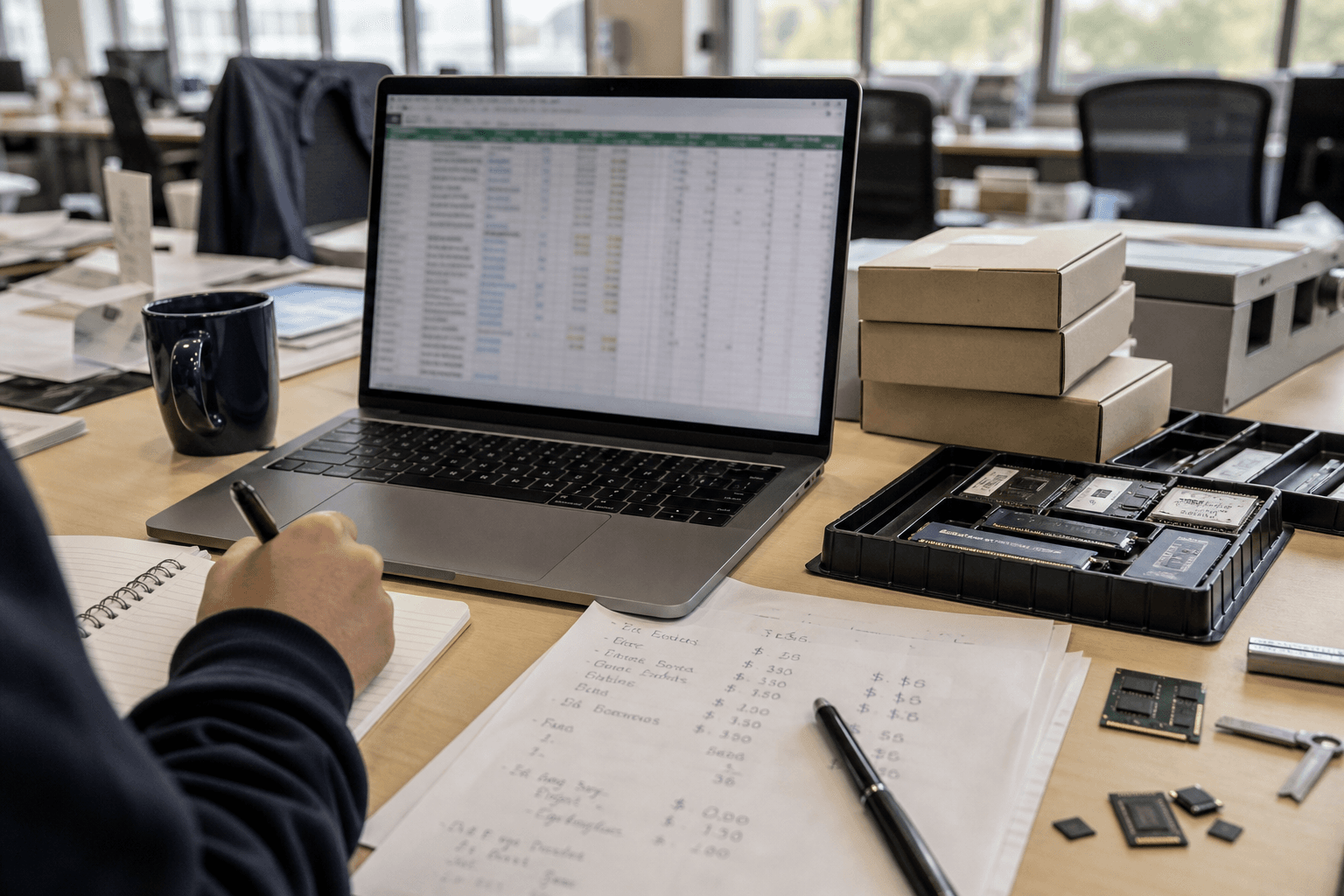
TL;DR: The AI buildout is no longer just making Nvidia richer and hyperscalers more capital-intensive. It is starting to tax the rest of the hardware economy. When memory makers can earn more selling into AI servers than into ordinary PCs and phones, the squeeze shows up in device prices, thinner OEM margins, and weaker upgrade cycles.
##What The AI Memory Squeeze Actually Means
The clean version of the AI boom says capital is flowing into a new computing stack and suppliers are racing to keep up.
The messier version is that one part of that stack, memory, is becoming a tollbooth for everybody else.
Reuters reported on June 3 that Morgan Stanley sees memory chip prices up six-fold in the past year as manufacturers prioritize higher-margin data-center demand over the chips that go into everyday devices. That sounds like a semiconductor detail. It is not. It is a pricing signal spreading outward from AI capex into the broader hardware economy.
IDC said on June 2 that the global PC market is heading into volatile territory, with average selling prices expected to rise 17% in 2026 even as unit demand weakens. Earlier in the year, Gartner projected that worldwide PC shipments would fall 10.4% and smartphone shipments 8.4% in 2026 because of surging memory costs.
That is the real story. AI demand is not only creating a winners list. It is quietly creating a losers list.
##Why This Stops Being A Chip Story
Imagine a laptop product manager trying to hold a sub-$800 notebook line together for back-to-school season.
The CPU roadmap is manageable. The chassis vendor is annoying but predictable. The problem is memory. If DRAM and related components stay expensive because AI servers keep absorbing supply, the manufacturer has only a few options: raise price, trim specifications, or accept lower gross margin.
None of those choices is strategic magic. They are all versions of losing.
#The pressure shows up before the customer sees it
This is why "chipflation" matters as a business story. The financial pain starts before the sticker price changes.
- Procurement teams lock in parts earlier and carry more inventory risk.
- OEMs simplify product lines because too many SKUs become uneconomic.
- Retailers lose promotional flexibility because the vendor has less margin to share.
- Entry-level buyers postpone upgrades because the "good enough" old device suddenly looks cheaper than the new one.
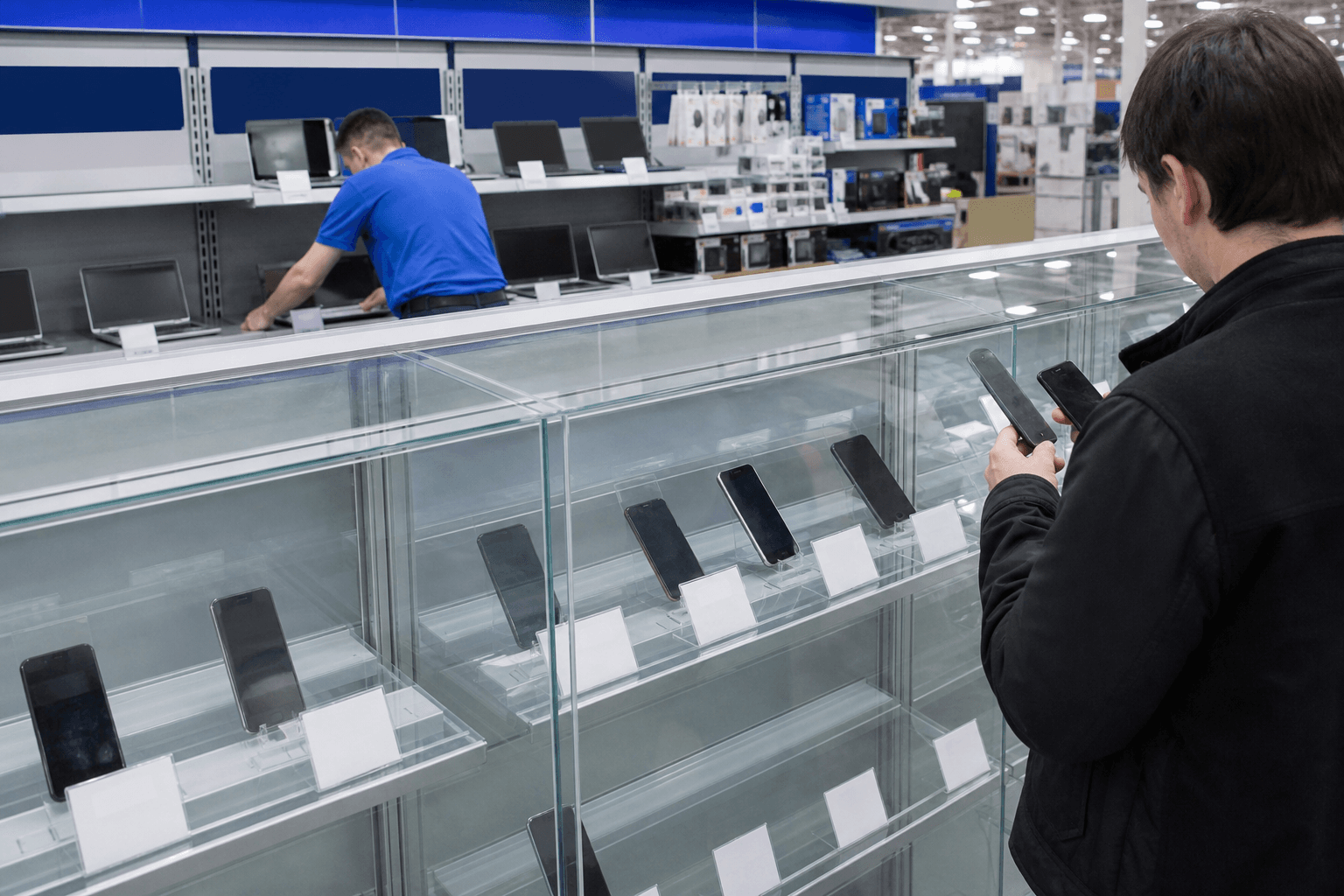
By the time a consumer notices a thinner discount or a weaker configuration, the margin squeeze has already moved through the supply chain.
##Where The Money Is Really Going
Applied Materials gave the clearest read on who is winning this trade. In May, the company said it expects more than 30% growth in semiconductor equipment and more than 50% growth in packaging revenue in 2026, driven by heavy spending on AI infrastructure.
That is a useful contrast.
The capital is not disappearing. It is being pulled uphill toward the highest-return part of the market: AI servers, high-bandwidth memory, advanced packaging, and the equipment needed to keep that machine fed.
If you are Micron, Samsung, SK hynix, Applied Materials, or a supplier with real exposure to the constrained layers of the stack, this can look like structural strength.
If you are a PC brand, smartphone OEM, white-label device maker, or a retailer that depends on aggressive promotions to move volume, it looks more like a tax.
#Why this is different from normal component cycles
Semiconductor shortages are not new. What is different here is incentive alignment.
In a normal cycle, suppliers eventually want broad end-market recovery. In this cycle, the most profitable demand is concentrated in AI infrastructure, and that demand is coming from customers with giant balance sheets and unusual urgency. It is rational for memory suppliers to follow the money.
That means the pain can persist even without a traditional macro collapse. The ordinary device market does not have to crash for it to get rationed.
##What Investors Usually Miss
The lazy read is that rising memory prices are good for chip stocks and bad for gadget stocks.
That is directionally true, but too shallow.
The deeper implication is that AI capex is beginning to distort adjacent markets the way energy shocks do. It changes not just prices, but product planning, promotional calendars, inventory finance, and customer behavior. A memory shortage in service of AI can alter what gets built, what gets stocked, and which price points remain viable.
That is why this matters for more than semiconductor specialists. It matters for anyone tracking consumer spending, hardware margins, enterprise refresh cycles, and even inflation optics. When a core input gets structurally redirected to a richer customer base, the rest of the market starts absorbing second-order costs.
##Who Has Pricing Power
Not every company is equally exposed.
The strongest players are the ones that can either absorb higher memory costs or steer buyers toward premium products where gross profit dollars still work. Apple-like positioning ages better in this kind of squeeze than subscale Android assemblers or budget PC vendors fighting over thin spreads.
The weak middle is where the damage accumulates:
- vendors selling into price-sensitive tiers
- retailers built on promotions
- OEMs with too many marginal SKUs
- enterprise resellers trying to protect refresh volumes
That is where AI's memory bill gets paid.
##What To Watch Next
Do not just watch memory spot prices. Watch the language around configuration, promotions, and unit guidance.
If management teams keep talking about "mix," "discipline," "portfolio simplification," or "price realization," they may be describing a supply-chain tax without calling it that.
The twist is that Wall Street still talks about AI infrastructure as if the cost is neatly contained inside hyperscaler budgets and semiconductor multiples.
It is not. Part of that bill is already walking into the consumer aisle and the IT procurement cart. The AI boom may look like growth at the top of the stack, but lower down it is starting to look like rationing.
#FAQ
Why are memory prices rising so sharply?
Recent reporting and industry research point to the same mechanism: AI servers are consuming a disproportionate share of memory supply, especially the highest-value categories, and suppliers are prioritizing those higher-margin orders over ordinary device demand.
Why does this matter for consumer and enterprise hardware?
Memory sits inside PCs, smartphones, and many other devices. When those components become more expensive, manufacturers have to raise prices, cut features, or accept lower margins, which can slow upgrade cycles and weaken unit demand.
What is the investor takeaway?
The AI buildout is creating second-order winners and losers. Suppliers tied to memory and advanced packaging can benefit, but device makers and retailers in price-sensitive tiers may face a persistent margin and demand squeeze even if the broader economy stays decent.