Micron Is Not Selling Memory. It's Selling Reservations.

On Tuesday morning, traders were chasing Micron after a fresh UBS target helped push the company to a $1 trillion market value for the first time. That is the flashy version of the story.
The more important version is quieter. Micron is no longer being valued like a company that sells interchangeable memory chips into a cyclical market. It is being valued like a company that controls access to a bottleneck the rest of the AI system cannot route around.
That distinction matters because it changes what investors should look for next. If the market is right, Micron is not really selling memory anymore. It is selling reservations.
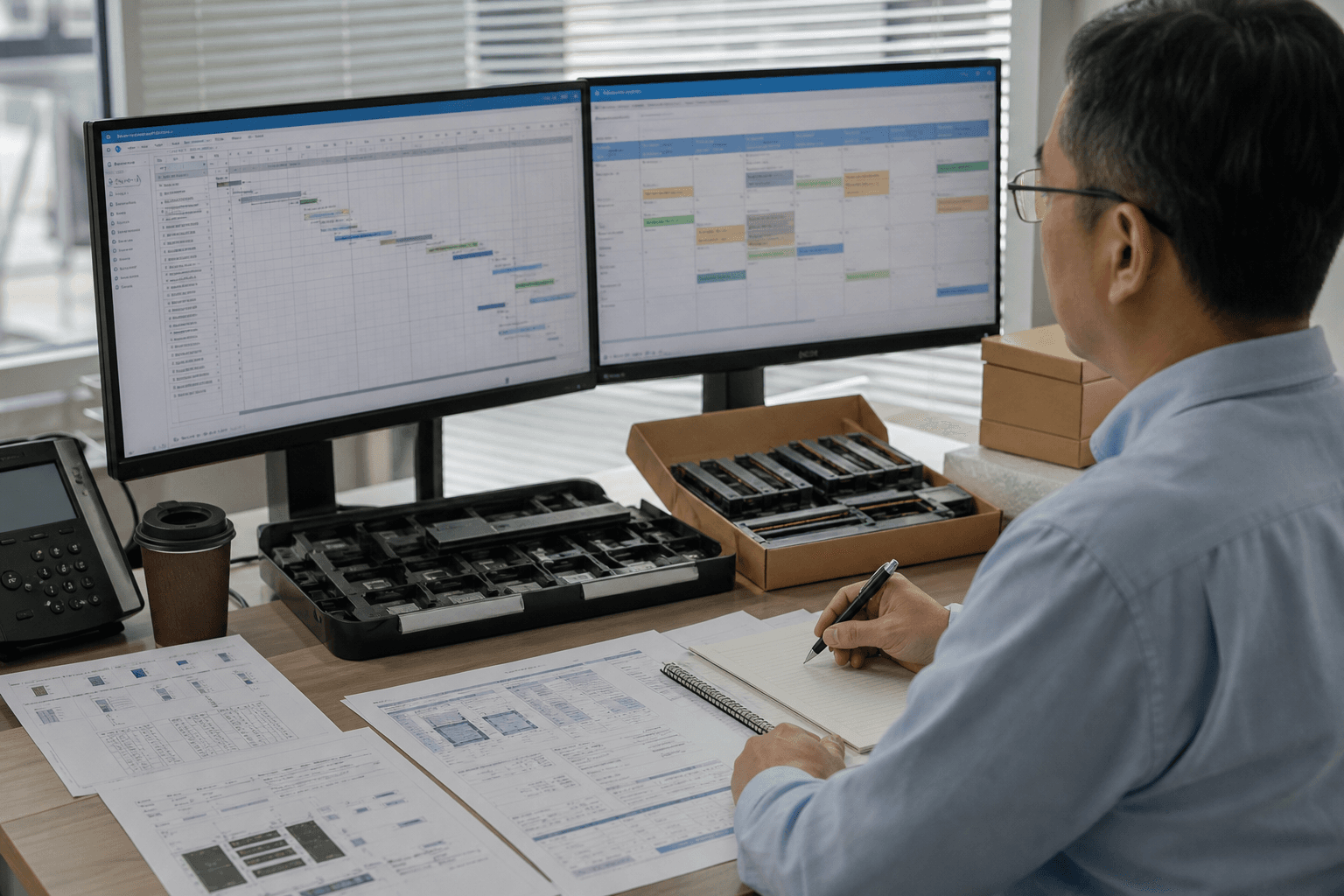
Picture the conversation inside a big cloud or AI hardware program right now. The GPU roadmap is already public. The server design is mostly decided. The power budget is ugly but manageable. Then someone gets to memory supply and realizes the real problem is not whether the next rack can be designed. It is whether the required high-bandwidth memory can be secured early enough to ship the machine at all.
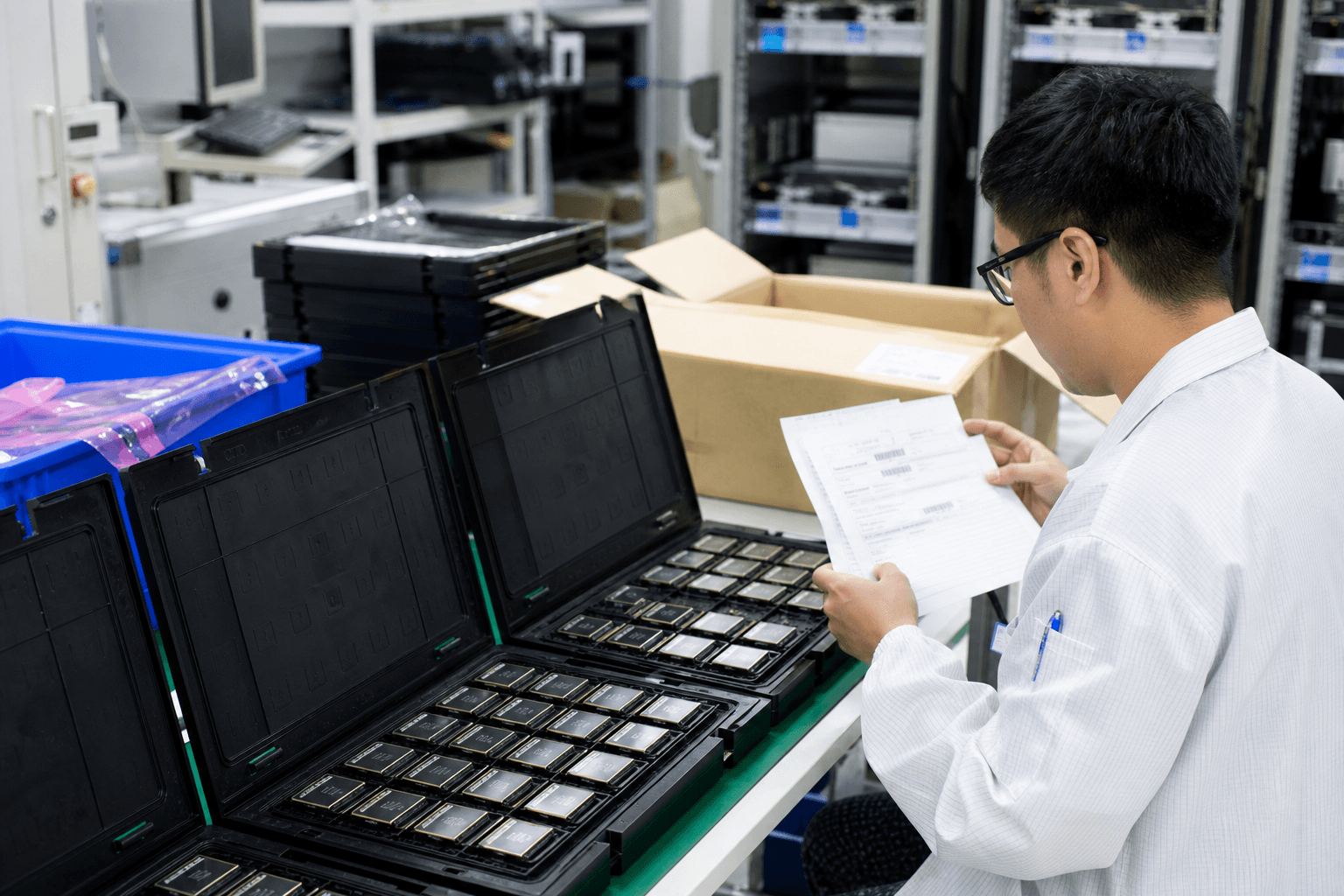
That is why Micron’s recent numbers matter more than Tuesday’s stock pop. In its fiscal second quarter, the company reported revenue of $23.86 billion, up from $8.05 billion a year earlier, while its Core Data Center Business Unit revenue rose to $5.687 billion from $1.83 billion. In March, Micron also said its HBM4 product was already in high-volume production for NVIDIA’s Vera Rubin platform and described AI-optimized memory and storage as "strategic assets" for real-world AI infrastructure.
Those are not the signals of a commodity supplier waiting for the next downcycle. Those are the signals of a company moving closer to infrastructure economics.
Reuters reported Tuesday that UBS raised its Micron target sharply on stronger AI demand and long-term supply deals. That line deserves more attention than the headline price target. Long-term supply deals are what companies use when they are less worried about price shopping and more worried about not getting shut out.
In other words, the scarce product is becoming time.
That is the real twist in the AI hardware trade. For two years, the market has treated the winners as the companies making the most glamorous part of the system: the accelerator, the cloud contract, the foundation model, the giant data-center lease. But once a buildout matures, glamour usually gives way to scheduling. The winners become the companies that can keep other people’s expensive plans from slipping.
Memory is perfect for that role because it sits in the middle of everything. A high-end AI server without enough bandwidth is not a slightly worse server. It is a badly balanced capital asset. A delayed memory shipment does not just hurt Micron’s customer. It can idle boards, rack integration, testing windows, customer deployments, and revenue recognition up and down the chain.
That is why I think Micron’s trillion-dollar milestone says something broader about the AI cycle. The market is starting to pay up for component makers that can turn engineering scarcity into contractual leverage.
There are a few consequences worth watching.
- First, the semiconductor cycle may look less cyclical than investors are used to if capacity is pre-committed earlier and for longer.
- Second, valuation may migrate away from whoever captures the most headlines and toward whoever controls the least replaceable piece of the bill of materials.
- Third, enterprise buyers may discover that AI infrastructure budgeting looks more like booking freight or power than buying standard servers.
That last point is the one most casual readers miss. When capacity gets reserved years ahead, AI stops behaving like normal IT procurement. It starts behaving like industrial planning.
You can already see hints of that shift in Micron’s language and product cadence. The company is not just talking about better chips. It is talking about bandwidth, power efficiency, validated platform alignment, advanced packaging, and production timing. That is how suppliers talk when they are trying to become part of the customer’s roadmap rather than just part of the customer’s parts list.
There is still real risk here. If AI spending cools, if supply catches up faster than expected, or if customers diversify aggressively across memory vendors, the market will remember very quickly that semiconductors can still be brutal businesses. A trillion-dollar valuation does not repeal physics, competition, or inventory mistakes.
But the burden of proof has shifted. The bear case can no longer rest on the old reflex that memory always commoditizes and margins always collapse on schedule.
What Tuesday’s move really announced is that Wall Street is beginning to believe some AI components are escaping that template. Not forever. Not cleanly. But long enough to matter.
If that is true, then Micron is not just another beneficiary of AI capex. It is one of the companies teaching the market that in this buildout, the most valuable chip may be the one that lets the rest of the system ship on time.