Campbell's Q3 Shows Branded Groceries Have A Margin Shelf Problem

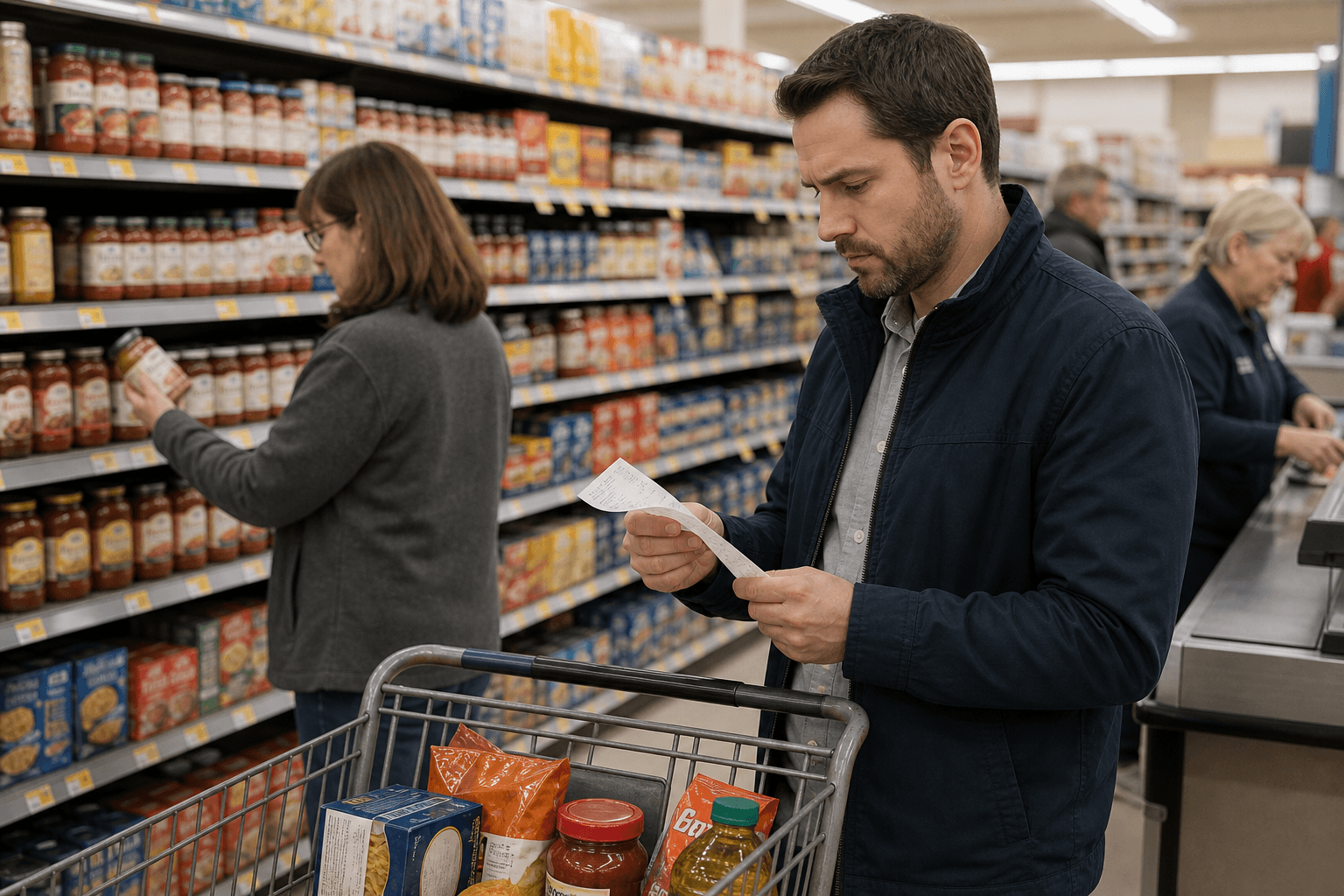
TL;DR: Campbell's reported fiscal third-quarter 2026 results on June 8 with net sales down 4% to $2.4 billion and adjusted EPS down 32%, while reaffirming its full-year guidance. The useful read is not simply that soup and snacks had a soft quarter. It is that branded grocery companies are losing the easy version of pricing power: shoppers still want familiar food, but the shelf is forcing volume, discounts, tariffs, and margin protection into the same narrow space.
##What Campbell's Q3 Says About The Grocery Shelf
Campbell's quarter is a clean little snapshot of the post-inflation consumer.
The company said third-quarter net sales fell 4% on a reported and organic basis. Adjusted EBIT fell 24% to $274 million. Adjusted EPS fell 32% to $0.50.
Those numbers matter because Campbell's is not selling some fragile luxury product. It sells soup, broth, pasta sauce, crackers, cookies, pretzels, chips, and other pantry habits through brands like Campbell's, Swanson, Prego, Rao's, Goldfish, Pepperidge Farm, Cape Cod, Kettle Brand, and Snyder's of Hanover.
If that kind of portfolio cannot pass costs through cleanly, the pressure is not just "weak consumer sentiment." It is shelf math.
##Why The Old Trade-Down Story Is Getting Too Simple
For a while, packaged-food investors could lean on a comforting story: when shoppers feel squeezed, they eat at home, buy more pantry staples, and trade restaurants for grocery carts.
That story is still partly true. It is also incomplete.
The harder story is that the grocery aisle has become a three-way negotiation:
- Consumers want familiar brands, but they notice unit prices.
- Retailers want traffic and basket size, so they push promotions and private-label comparisons.
- Manufacturers want to protect gross margin while labor, ingredients, freight, tariffs, and supply-chain costs keep leaking into the P&L.
Campbell's second-quarter release in March already showed the pattern: sales were pressured by lower volume/mix, while adjusted gross margin was hit by cost inflation, supply-chain costs, tariffs, and unfavorable volume/mix. The third-quarter update says the same fight did not disappear.
#The mechanism is volume/mix, not just price
The phrase "volume/mix" sounds like accounting filler until you picture the aisle.
A household may still buy soup, but choose fewer cans, wait for a promotion, switch sizes, buy private label, or spend the saved dollars on a different part of the cart. A retailer may give Campbell's more visibility for one brand while squeezing another category on price.
That is how a brand can remain recognizable and still lose operating leverage.
The dangerous investor mistake is treating every grocery brand as defensive just because the product is familiar. Defensive demand is not the same thing as defensive margin.
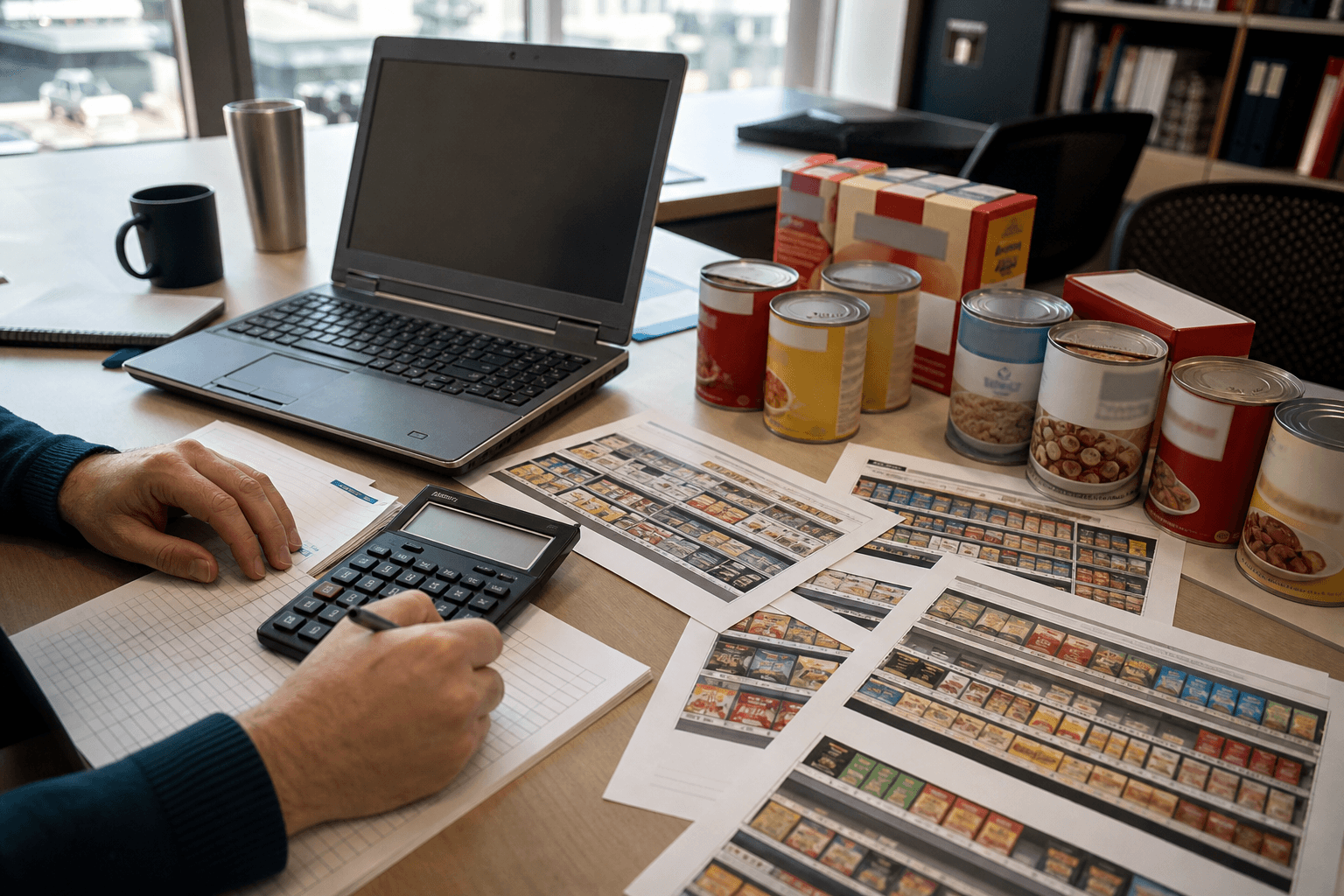
##Where Pricing Power Is Actually Moving
Campbell's strongest consumer argument has been that it owns habitual categories. Soup is not trendy. Broth is not a TikTok stock. Goldfish crackers do not need a macro strategist.
But mature brands have a different problem: the more routine the purchase, the easier it is for shoppers to remember the old price.
That makes branded staples vulnerable in a way that high-end consumer goods are not. A shopper may not know the "right" price of a premium handbag. She often knows whether a pantry item has become annoying.
#Rao's is the exception that explains the rule
Rao's has been the bright spot because it is a premium sauce brand with a sharper consumer promise. Campbell's said in its March Q2 materials that Rao's surpassed $1 billion in trailing twelve-month net sales, even as broader Meals & Beverages and Snacks remained under pressure.
That is the lesson hiding inside the portfolio. The best brands are not merely "known." They give the shopper a reason to defend the price in her own head.
Plain familiarity is weaker. A specific job in the cart is stronger.
##Who Pays When The Shelf Gets Tighter
The obvious answer is shareholders. Lower adjusted EBIT and lower adjusted EPS are direct enough.
The less obvious answer is the whole operating chain.
The brand team pays by spending more time justifying promotions. The sales team pays in retailer negotiations. The supply-chain team pays by chasing savings that keep getting eaten by input costs. The CFO pays by trying to protect guidance without starving the brands that still have pricing power.
This is why Campbell's reaffirmed fiscal 2026 guidance is not a victory lap. It is a promise that the company can manage through the year without letting the margin problem become a credibility problem.
That is a harder promise than it sounds.
##What Investors Should Watch Next
Campbell's Q3 is useful because it turns a broad consumer debate into a few testable signals.
Watch less for whether management says shoppers are "pressured." Everyone says that now. Watch the mechanics:
- Does volume/mix stabilize without buying growth through promotions?
- Do Snacks stop dragging operating earnings lower?
- Can Meals & Beverages show that Rao's is lifting the portfolio rather than masking weakness elsewhere?
- Do cost savings offset tariffs and supply-chain costs, or merely slow the damage?
The answer will say more about branded-food pricing power than one quarter's headline EPS.
For investors, the point is simple: a defensive stock can still have an offensive problem. Campbell's brands may live in ordinary kitchens, but the margin fight is happening one grocery decision at a time.
#FAQ
Why does Campbell's Q3 matter for investors?
It shows that packaged-food companies can still face margin pressure even when they sell familiar, everyday products. Defensive categories do not automatically protect volume, mix, or gross margin.
Is this only a Campbell's problem?
No. Campbell's is a useful case because its portfolio sits across meals and snacks, but the same shelf pressure affects many branded grocery companies competing with private label, promotions, and cost inflation.
What is the key metric to watch after this quarter?
Volume/mix is the cleanest signal. If volume/mix stays weak while price realization and cost savings do the heavy lifting, the brand is defending earnings with finance and operations rather than stronger consumer demand.