The Fed’s New Risk Is Not Talking Less. It’s Being Trusted Less

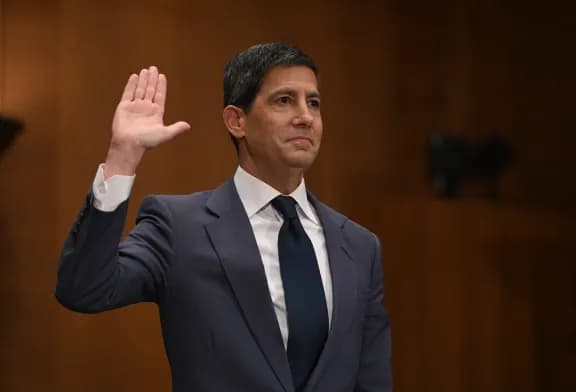
Kevin Warsh’s skepticism of forward guidance sounds like a technical debate. Should the Fed tell markets what it expects to do, or should it wait, meet, and decide?
But the bigger issue is credibility. If a new Fed chair arrives after intense White House pressure for lower rates, then says he wants less forward guidance, investors will ask a blunt question: is this disciplined humility, or a way to make policy less accountable?
That is why Claudia Sahm’s warning matters. Her concern is not that the dot plot is sacred. It is that the Fed spent two decades building more transparent communication, and Warsh seems willing to pull part of that structure apart without yet offering a better replacement.
The timing is awkward. Warsh took office as Fed chair on May 22, 2026. The Fed’s April 29 implementation note kept the federal funds target range at 3.50%-3.75%. April FOMC minutes showed higher Treasury yields, higher near-term inflation compensation, and continuing pressure from the Middle East conflict. This is not a quiet backdrop for a communications experiment.
The labor market is also not cleanly strong. BLS reported April payrolls rose by 115,000, while unemployment held at 4.3%. That is not recessionary panic, but it is soft enough that every inflation and jobs print now matters more.
Warsh has a reasonable point: forecasts can trap policymakers. The March 2026 SEP had Fed officials projecting 2026 PCE inflation at 2.7%, up from 2.4% in December. Forecasts move. Overconfident guidance can make a central bank slow to adjust.
But markets do not need perfect forecasts. They need a reaction function. If Warsh weakens the dot plot and forward guidance, he has to replace them with something clearer: how much inflation persistence matters, how much labor-market weakening matters, and how the Fed separates data dependence from political pressure.
That is the real test. Less guidance can work if it means less false precision. It fails if it means less transparency.
For investors, this is not a simple bullish or bearish story. It is a volatility story. If the Fed’s communication anchor weakens, short-term rates, the dollar, and long-duration equities may become more sensitive to every CPI print, jobs report, oil shock, and White House comment.
The next checkpoints are April PCE on May 28, the May jobs report on June 5, and Warsh’s first FOMC meeting on June 16-17.
My read: Warsh can reform forward guidance. But “saying less” is not a reform by itself. The Fed’s credibility comes from a tested pattern of logic, independence, and accountability. Reduce false certainty, yes. Reduce transparency, and the market will charge a higher risk premium.