Warsh’s First Problem Is Not the White House. It’s the Bond Market.


Kevin Warsh has formally taken over as Federal Reserve chair, but the real story is not the ceremony. It is whether investors keep believing the Fed will defend price stability even when the White House clearly wants easier money.
The Fed confirmed that Warsh took the oath on May 22, 2026, as chair and Board governor, and that the FOMC unanimously selected him as its chair. His chair term runs through May 21, 2030, while his Board term runs through January 31, 2040. This is not a symbolic handoff. He now owns the rate debate.
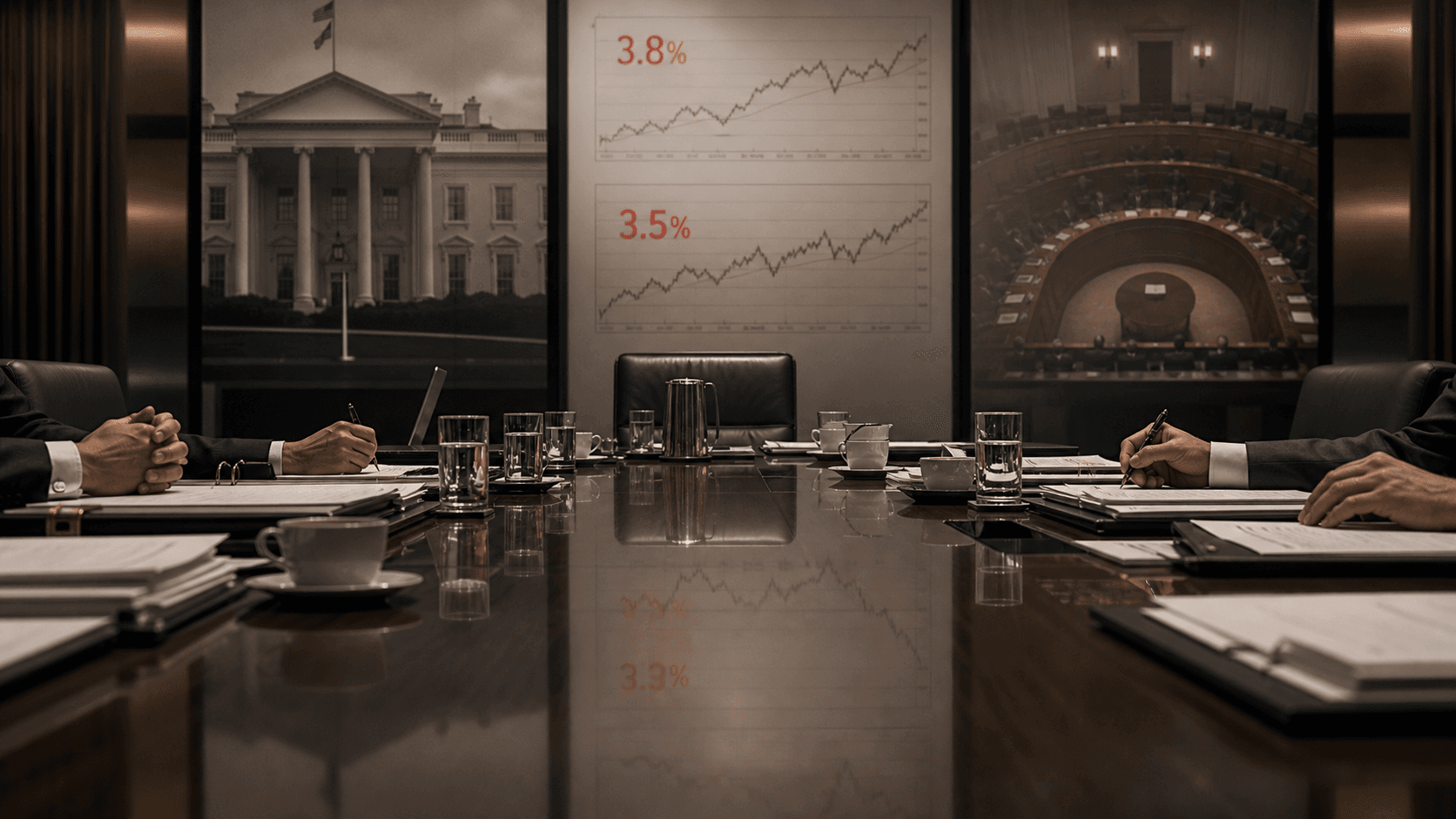
The optics were loaded. AP reported that the swearing-in was held at the White House, with President Trump saying he wanted Warsh to be independent while also making clear he wants stronger growth and lower borrowing costs. Markets can live with political theater. What they punish is any hint that inflation discipline has become negotiable.
Warsh is inheriting an awkward macro setup. The Fed’s April 29 implementation note kept the federal funds target range at 3.50% to 3.75%. Meanwhile, April CPI rose 0.6% month over month and 3.8% year over year, according to BLS. BEA’s March PCE price index was still running at 3.5% year over year, with the next PCE release due May 28.
That makes the “cut rates and let growth run” story harder to sell. Warsh has talked more favorably about productivity, supply-side strength, and AI-driven growth potential than many traditional Fed voices. But bond investors will ask a simpler question: if inflation is still above target and energy risk is alive, why should the Fed move early?
The chair matters, but he is not the whole Fed. The FOMC is a committee, and Warsh will need to persuade other governors and regional Fed presidents. If he pushes too quickly toward cuts, the resistance may come from inside the building as much as from outside markets.
For stocks, a more dovish Fed chair can look bullish at first. Lower expected rates help long-duration assets, growth stocks, housing, and credit. But if investors start to think rate cuts are politically driven rather than data-driven, the long end of the Treasury curve could sell off. That would be the uncomfortable version: equity traders cheer the headline, bond traders question the regime.
The first real tests are the May 28 PCE report and the June FOMC meeting. Warsh can talk about reform, models, and productivity. The data will decide how much room he actually has.
So this is not just “Trump got his Fed chair.” It is a credibility trade. Warsh’s challenge is to convince markets that if he cuts, it is because inflation allows it, not because the White House wants it.