Hiab's $1 Billion Labrie Deal Is Really a Service-Route Bet
TL;DR: Hiab's agreement to buy Labrie Environmental Group for about $1.035 billion is not really a garbage-truck headline. It is a bet that North American waste fleets are a sticky aftermarket and service route business, where parts, uptime, and dealer coverage can matter more than selling one more chassis.
#This looks like industrial M&A. It is really workflow M&A.
On paper, the deal is simple. Hiab said on June 1 that it will acquire Labrie, a North American refuse collection vehicle manufacturer, from Wynnchurch Capital and management shareholders at an enterprise value of $1.035 billion. Reuters summarized it the blunt way: a Finnish load-handling company is buying a Canadian garbage-truck maker for about $1 billion.
The easy read is that Hiab wants a bigger place in waste and recycling equipment. The better read is that it wants a business where the most defensible economics show up after the truck sale.
Labrie generated about $491 million of sales and $113 million of comparable EBITDA in the twelve months through March 2026, a 23% EBITDA margin that already tells you this is not a commodity metal-bending operation.
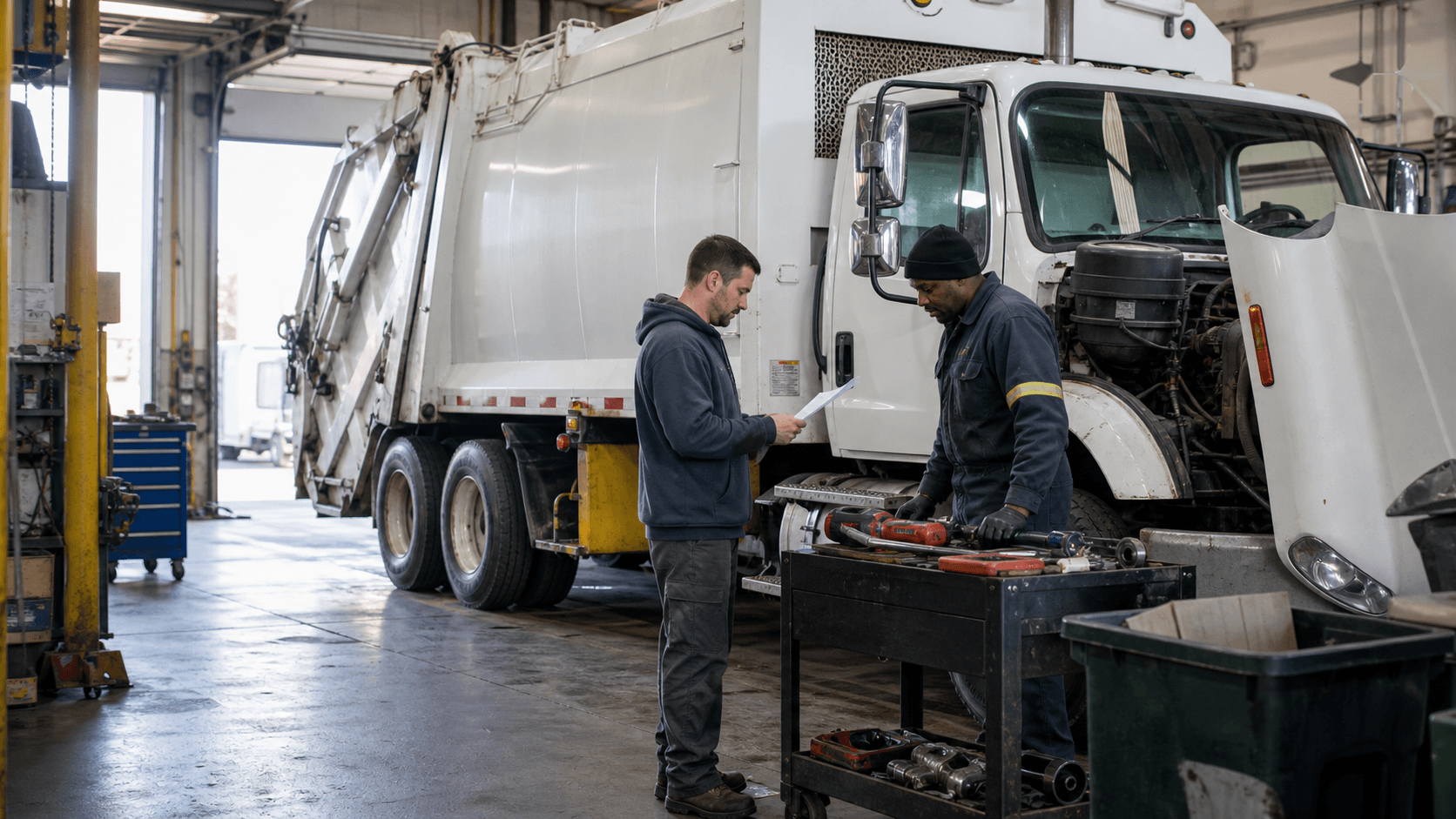
#The useful scene is the municipal fleet garage
Picture a waste-hauling fleet manager, not an equity analyst.
The real question is not whether a new truck gets delivered this quarter. It is whether the route runs tomorrow, whether a hydraulic issue gets fixed fast, whether a side-loader stays available, and whether parts arrive before the overtime bill does.
That is why Labrie's own profile matters. The company sells through a dealer network and supports fleets with aftermarket parts and services through its LabriePlus brand. In other words, this is a hardware company with a service tail attached to regulated, scheduled, hard-to-delay customer work.
#The side-loader angle is the clue
Hiab called out Labrie's strong position in the North American side-loader market. That matters because side loaders are not just a product niche. They sit inside route design, labor economics, and municipal collection habits.
Once a fleet standardizes around a certain body type, dealer support, and maintenance rhythm, switching costs get more real than they look on a spreadsheet.
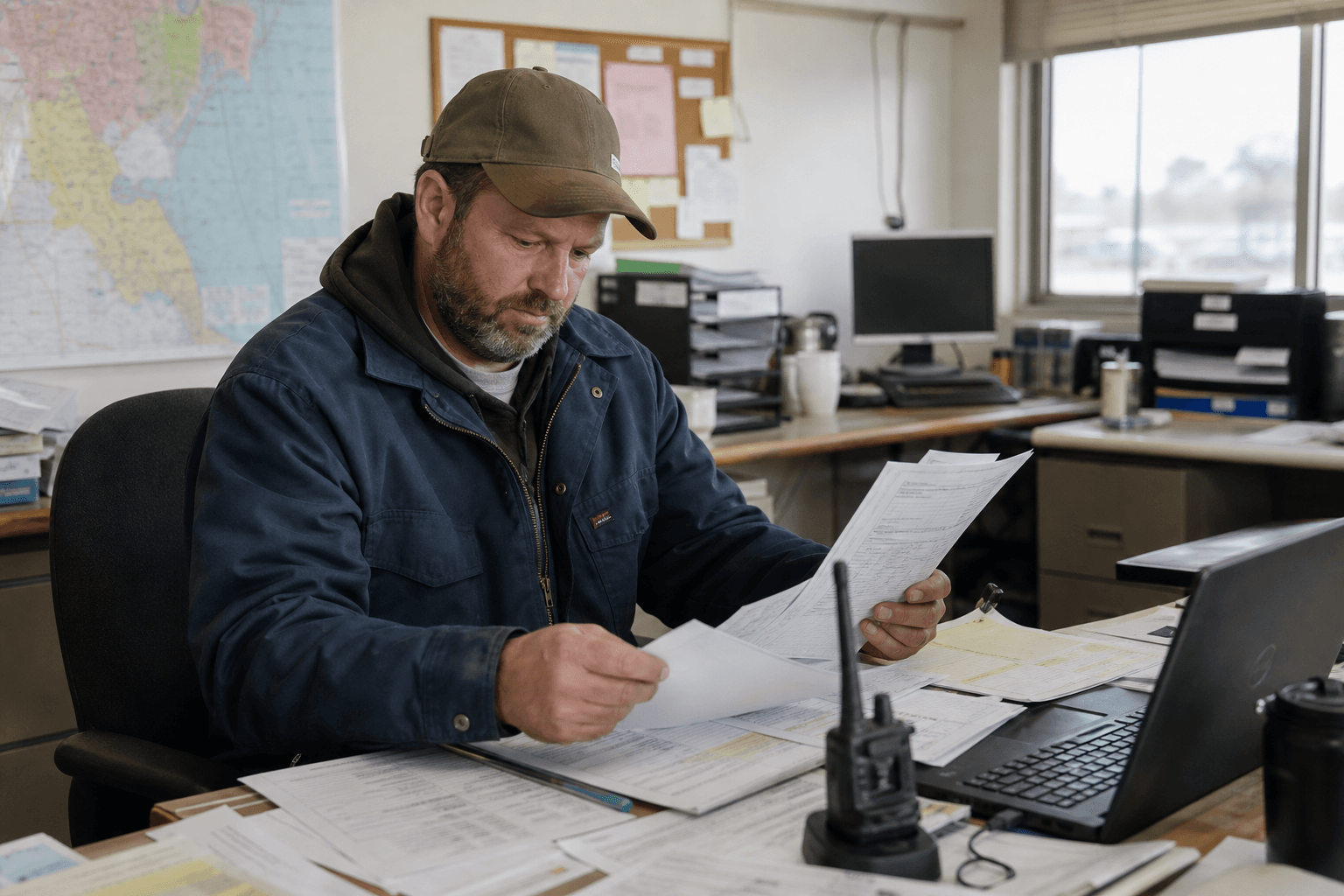
#Why the multiple makes more sense than it first appears
The headline multiple is not cheap. Hiab said the price equals about 9.2 times Labrie's last-twelve-month comparable EBITDA.
If you think this is a cyclical truck-builder acquisition, that sounds full.
If you think it is an installed-base acquisition into North American waste workflows, it starts to look different. Waste collection is one of those unglamorous markets where revenue quality often hides inside:
- replacement cycles that cannot slip forever
- parts and service revenue tied to uptime
- dealer relationships that sit close to municipal and private-hauler buyers
- route-specific equipment preferences that make switching annoying
That is the part casual readers miss. Hiab is not buying exposure to landfill tonnage. It is buying a place in the maintenance and replacement clock.
#This is also a North America strategy
Hiab said the deal gives it a new growth platform in North America and expands its presence in adjacent product verticals. That matters because North America is not just a geography here. It is where vehicle density, suburban service routes, and private-hauler scale can turn a manufacturer into a recurring service business if the dealer footprint is good enough.
#The business-model lesson is bigger than garbage trucks
This kind of deal keeps showing up across industrials for the same reason: investors would rather own the equipment company that controls the workflow than the one waiting for occasional capital-spending bursts.
That is why this acquisition fits the current market so well. Big industrial buyers are increasingly hunting for businesses where the original sale creates a maintenance claim on the customer relationship.
Hiab's financing language points in the same direction. The company said it has committed financing from Danske Bank and OP Corporate Bank and expects to maintain a robust balance sheet after the transaction, supported by ongoing cash generation. You only talk that way when you believe the acquired cash flows are more durable than the product category sounds.
#What to watch after the press release
The first test is not whether the deal closes in the third quarter, as expected. It is whether Hiab can keep Labrie looking like a local service business rather than over-integrating it into a global industrial template.
If the dealer network, parts availability, and fleet uptime story stay intact, the deal can justify the price.
If those local relationships get diluted, Hiab will discover the hard way that in waste equipment, the sale is only the opening invoice.
#FAQ
Why is Hiab buying Labrie financially interesting?
Because the attraction appears to be less about one-time truck sales and more about durable aftermarket parts, service, and dealer-network economics tied to waste-fleet uptime.
What is the main business risk in the acquisition?
The main risk is treating Labrie like a generic industrial asset and damaging the local service intensity that helps justify a premium multiple in a sticky North American fleet market.