Procore Puts Construction AI Where Margin Leaks Actually Start

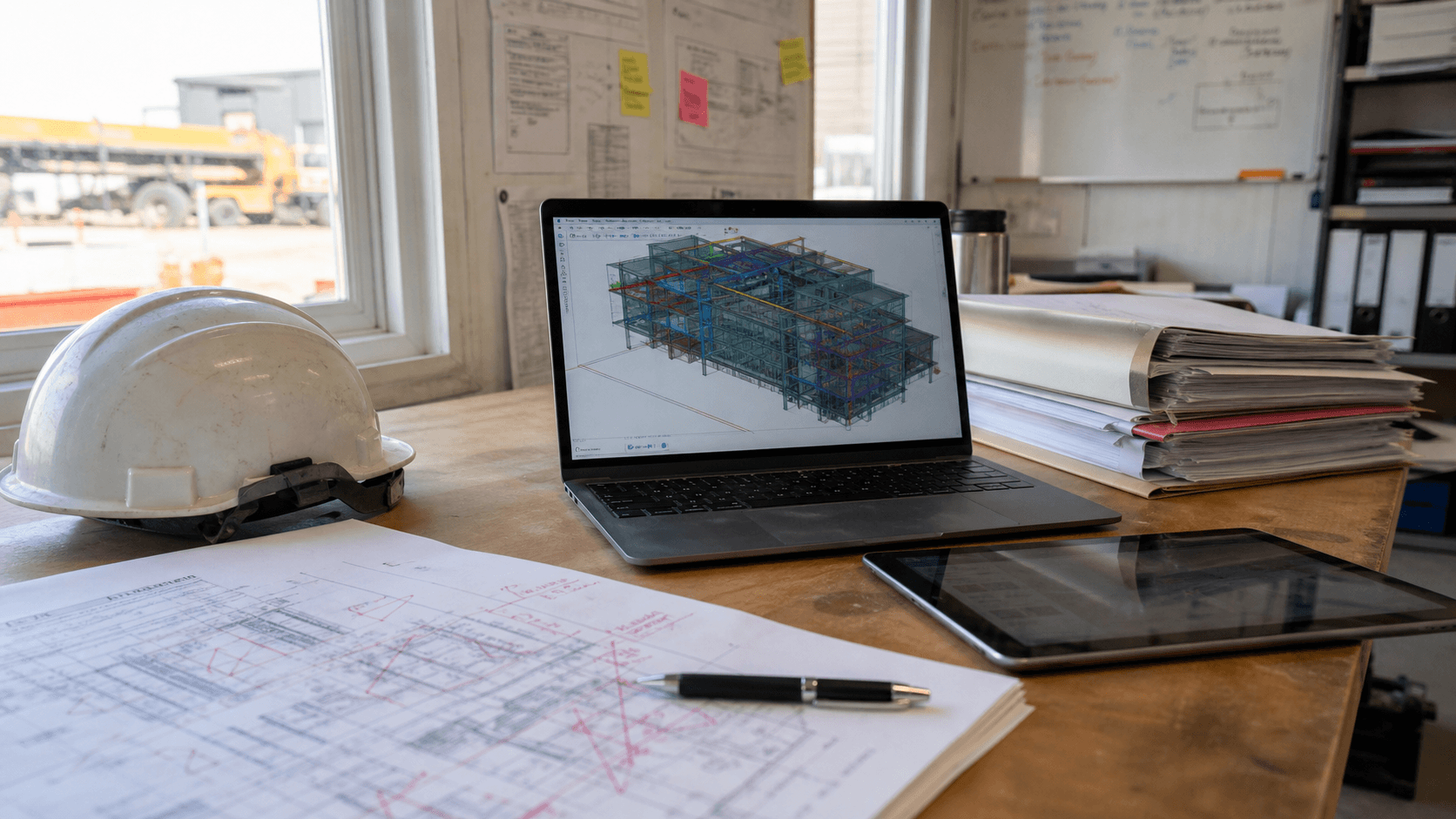
TL;DR: Procore's June 1 launch of a connected Common Data Environment is not just another construction-software AI feature. It is a bet that the profit leak in construction starts when drawings, RFIs, submittals, field photos, and asset records stop agreeing with one another. If Procore can make that record trusted enough for AI agents to act on it, the business case shifts from "better search" to margin control.
##What Procore Actually Launched
Procore said on June 1 that its connected Common Data Environment will unify project data, workflows, BIM models, documents, quality records, and asset information in one platform.
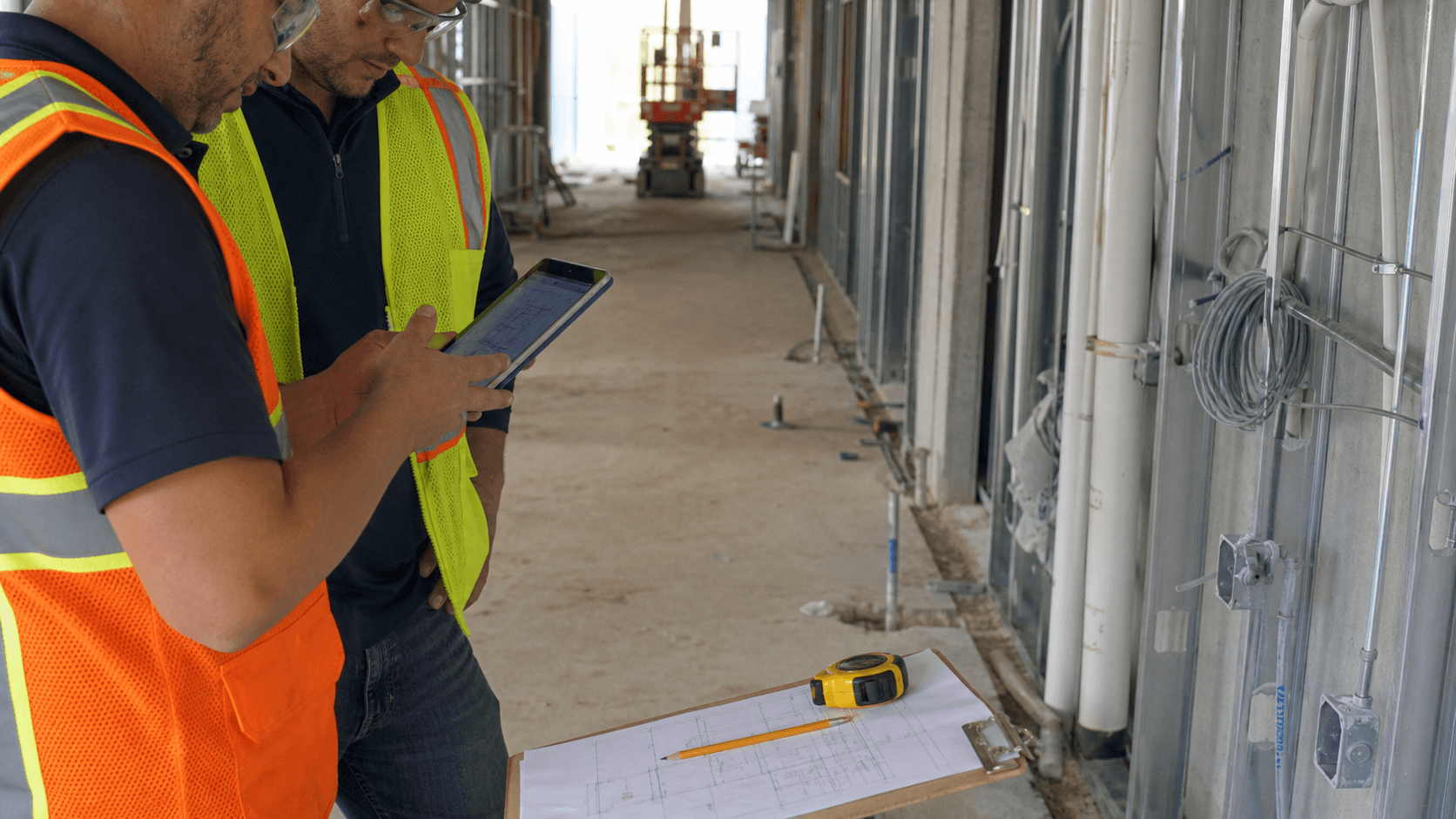
That sounds like software vocabulary until you picture a project engineer standing in a half-finished corridor, trying to decide whether a wall opening matches the approved model, the latest drawing, and the field condition.
The old answer was: open five systems, send an RFI, wait, and hope the delay does not compound.
Procore's new answer is more aggressive. Put the approved design, the site record, the BIM model, and the workflow history in one governed environment, then let AI agents search, compare, draft, and route work from that verified base.
##Why The Finance Angle Is Rework, Not Chatbots
The casual read is that Procore is adding AI to construction. The better read is that Procore is trying to price the cost of disagreement.
Construction margins are damaged by small mismatches that become expensive late: a submittal that does not match the spec, a field photo that contradicts the drawing, an RFI that asks a question already answered somewhere else, or a handover package that cannot defend what was actually installed.
Procore cited Dodge Construction Network research saying firms with optimized data practices achieved up to 23% higher productivity, 27.8% more construction volume with the same resources, and delays reduced by more than six days.
Those numbers matter because the buyer of this software is not buying a clever answer box. The buyer is buying fewer margin surprises.
#The project record becomes the control point
If the record is messy, AI makes the mess faster.
If the record is trusted, AI can start to become a workflow layer: find the source document, identify the conflict, draft the RFI, attach the evidence, and leave the project manager with approval authority instead of clerical archaeology.
That is the difference between software as a searchable archive and software as an operating control.
##Where Procore Is Pushing The Business Model
The important product clue is that Procore is not positioning the CDE as a stand-alone repository. It is tying the CDE to Procore AI and the Datagrid intelligence layer it embedded after the Datagrid acquisition announced in January 2026.
That matters for investors because the value pool is different.
A document vault is easier to replace. A trusted workflow record that touches BIM, RFIs, submittals, daily logs, field activity, and handover evidence is harder to remove once a project team depends on it.
The commercial logic looks like this:
- More verified project context makes AI actions more useful.
- More AI actions make Procore more central to daily work.
- More daily work inside Procore creates stronger retention and expansion leverage.
- Stronger retention makes the platform story more credible than a single AI feature story.
This is why Procore's first-quarter numbers are relevant even though the CDE launch is a product announcement. In Q1 2026, Procore reported $359 million of revenue, 16% year-over-year growth, 95% gross revenue retention, and 2,795 organic customers above $100,000 of annual recurring revenue.
The CDE is an attempt to make those large customers run more of the project record through Procore, not just buy another module.
##Who Gets Paid If The Record Becomes Trusted
The first winner is the contractor or owner who can stop burning project-engineer hours on avoidable back-and-forth.
The second winner is Procore, if it can turn that labor saving into higher attach rates, stronger usage, and more defensible enterprise contracts.
The third winner is less obvious: the finance team inside a builder, owner, or infrastructure sponsor.
#The CFO cares when documentation becomes cash timing
Late documentation does not only irritate the field team. It can slow change-order recovery, stretch billing cycles, complicate claims, and weaken the audit trail at handover.
A cleaner project record can become a working-capital tool. Not because the software magically creates cash, but because fewer unresolved disputes mean fewer reasons for cash to get stuck between owner, general contractor, subcontractor, and designer.
That is the business-blog version of the Procore story: AI is interesting only if it shortens the distance between field reality and financial consequence.
##What Investors Should Watch Next
The risk is obvious. Construction software buyers have heard plenty of "single source of truth" promises.
The proof will not be a demo where an agent drafts a tidy RFI. The proof will be whether Procore can get real project teams to trust the system enough to use it at the uncomfortable moments: when the model and the wall disagree, when the submittal is wrong, when a delay claim needs evidence, or when a handover file has to survive an audit.
If that happens, Procore's CDE launch becomes more than a European product rollout. It becomes a margin-control argument for construction companies and a platform-retention argument for Procore.
The quiet test is simple: when a project starts losing money, does the team open Procore first?
#FAQ
Why does Procore's CDE launch matter for investors?
It connects Procore's AI strategy to a measurable construction problem: rework, delay, documentation, and workflow friction. That makes the product more financially relevant than a generic chatbot announcement.
Is this mainly a Europe story?
The launch is initially focused on the UK and Ireland, with EMEA expansion planned, but the mechanism is broader. Construction firms everywhere face the same problem of disconnected drawings, models, RFIs, submittals, and field records.
What is the main risk for Procore?
The main risk is adoption depth. If customers treat the CDE as another document store, the margin story is weak. If they trust it as the operating record for disputes, coordination, and handover, the platform becomes harder to replace.