Samsung's Vietnam Bet Says the AI Chip Shortage Has Moved to the Back End

TL;DR: Samsung's proposed $1.5 billion chip-testing plant in Vietnam signals that the AI chip shortage is no longer just a front-end manufacturing problem — it is becoming a back-end throughput problem. Testing, packaging, and qualification capacity is the emerging bottleneck, and the companies and regions that can absorb that overflow work are the next beneficiaries of the AI build-out.
#What Samsung is actually doing
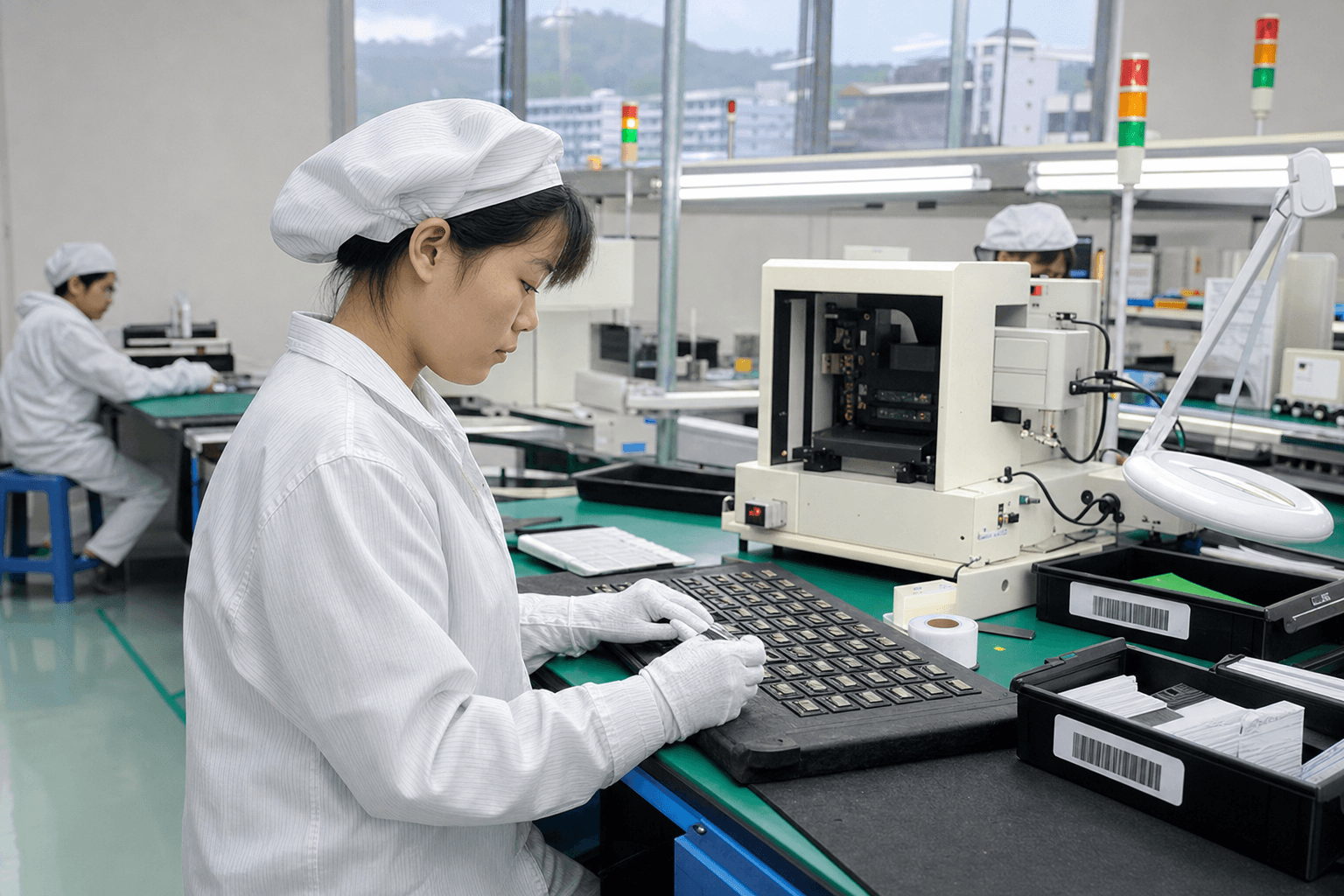
Walk through a chip boom story and most people still look for the same things: cutting-edge fabs, EUV machines, Nvidia boards, hyperscaler capex. Samsung's new $1.5 billion testing plant proposal in Vietnam points somewhere less glamorous and arguably more important. The AI chip shortage is no longer just a front-end manufacturing story. It is becoming a back-end throughput story.
That matters because testing is where semiconductor supply stops being a lab achievement and starts becoming shippable inventory. If Samsung is putting real money into a Vietnam testing site for legacy memory chips while AI demand is squeezing global supply, the message is simple: the industry needs a relief valve, and it is finding one in the boring part of the chain.
In other words, AI is not only bidding up the best chips. It is reorganizing the economics of all the chips that have to keep the rest of the electronics market alive.
#Why a "legacy" testing plant matters
The easy way to read the Reuters scoop is as another Asia supply-chain diversification headline. That is true, but too shallow.
The more useful read is that Samsung is protecting the parts of its memory business that do not get the headlines. The company said in its first-quarter results that its memory division posted record revenue and operating profit, and that it planned to maximize advanced-node capacity while ramping HBM4 packaging supply. That is exactly the kind of environment that creates second-order stress elsewhere.
When premium AI demand pulls management attention, engineering talent, and capital toward the hottest memory products, somebody still has to make sure more ordinary DRAM and NAND leave the factory tested, qualified, and ready for phones, laptops, autos, and industrial gear. A testing plant in Vietnam is not a side quest. It is capacity triage.
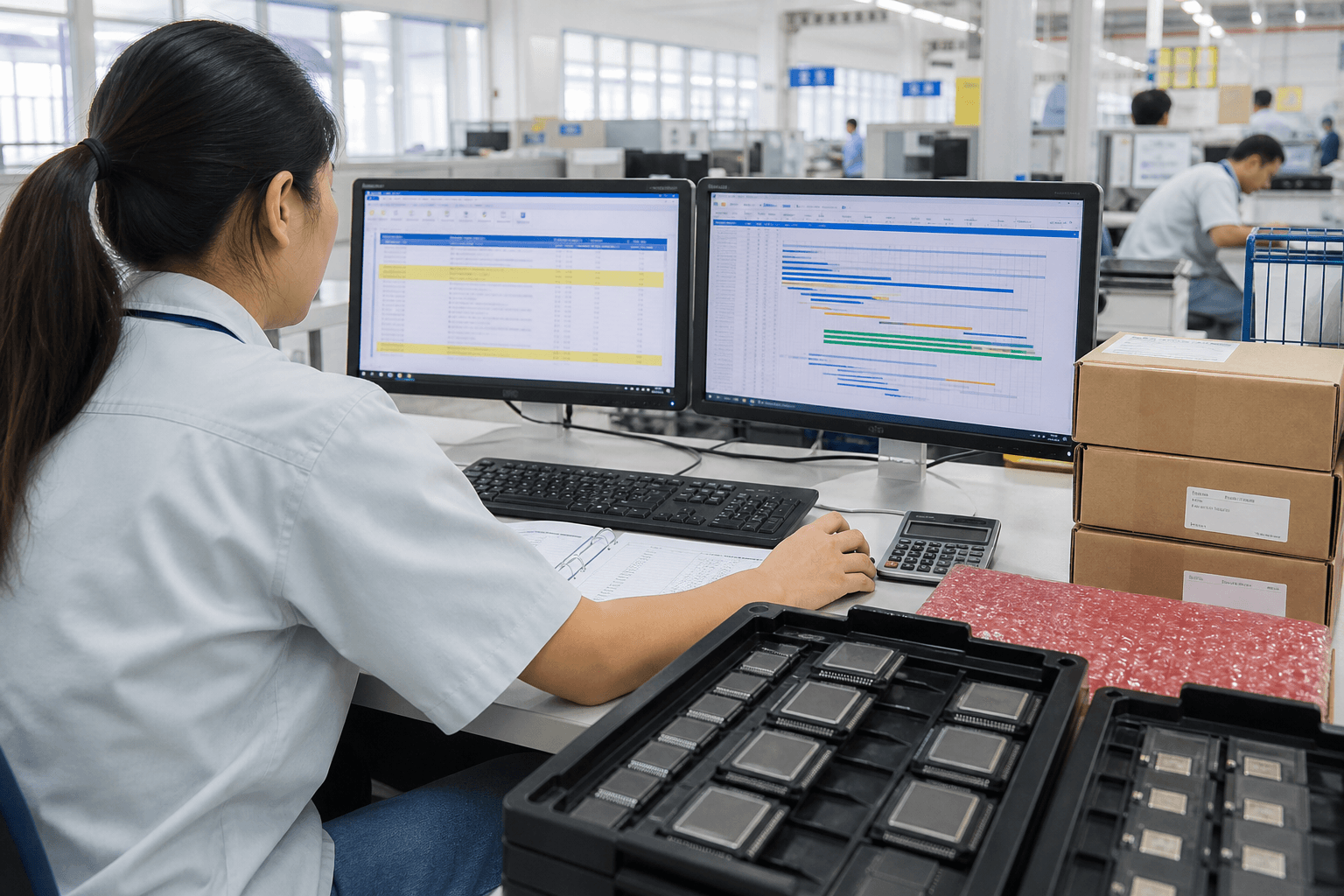
Picture the scene this way: on one side of Samsung's world, procurement teams are trying to secure premium memory for AI racks whose customers will pay almost anything for speed. On the other side, a product planner still has to ship millions of less glamorous devices that cannot wait for the AI cycle to calm down. The spreadsheet may say "legacy." The cash-flow problem is current.
That is why the Vietnam detail matters more than the word "legacy" suggests. Mature chips are usually treated like the easy part of semiconductors. They are not. They become brutally important when leading producers keep reallocating scarce equipment and management focus toward higher-margin AI demand. Testing capacity is where that tradeoff becomes visible.
#Where supply chains actually break: the handoff zones
If you are an investor, this is the blind spot. The market loves the heroic bottleneck story: who owns the top GPU, who has the cleanest HBM roadmap, who gets the next hyperscaler budget. But real supply chains break in the handoff zones:
- wafer to package
- package to test
- test to qualified shipment
- premium allocation to everything else
Those handoff zones are where ordinary electronics companies get delayed, where working capital stretches, and where pricing power quietly changes hands.
#The uncomfortable lesson about the AI boom
Samsung's Vietnam move also says something uncomfortable about the AI boom. The best way to serve it may not always be building more frontier capacity. Sometimes it is building more separation between the frontier and the rest of the portfolio.
That is what a back-end plant can do. It gives Samsung another place to route volume, protect output for mainstream customers, and avoid letting AI scarcity infect every other end market. It is less a monument to breakthrough technology than an operating buffer for a company whose product mix is being warped by its own success.
There is a geopolitical angle here, but it is a commercial one before it is a diplomatic one. Vietnam is becoming useful because it offers a way to add back-end resilience without waiting for the slower, more expensive process of adding new wafer fabrication. In this cycle, back-end geography is turning into a margin tool.
#Who the next winners are
That should change how we think about winners from here. The next beneficiaries of the AI build-out may not just be chip designers and cloud landlords. They may also be the companies and regions that can absorb overflow work in testing, packaging, qualification, and factory logistics fast enough to keep the broader electronics machine moving.
The point is not that legacy chips suddenly became sexy. It is that AI is making "unsexy" capacity strategic.
Once that happens, the chip shortage stops being only a technology race. It becomes an operations business. And operations businesses tend to reward the companies that build relief valves before everyone else realizes they need one.
#FAQ
Why is Samsung building a testing plant instead of a new fab? Adding back-end capacity — testing, packaging, qualification — is faster and less expensive than the slow, costly process of building new wafer fabrication. With AI demand squeezing front-end capacity, the back end becomes the relief valve that keeps mainstream memory shipping.
What does "back end" mean in semiconductors? Front end is wafer fabrication — the lab-grade manufacturing of the chip itself. Back end is testing, packaging, and qualification: the steps that turn a finished wafer into shippable, verified inventory.
Why Vietnam? It offers a way to add back-end resilience and route overflow volume without waiting for the slower, more expensive process of adding new wafer fabrication. In this cycle, back-end geography is turning into a margin tool.