Bath & Body Works Shows the Consumer Trade Is Permission, Not Price

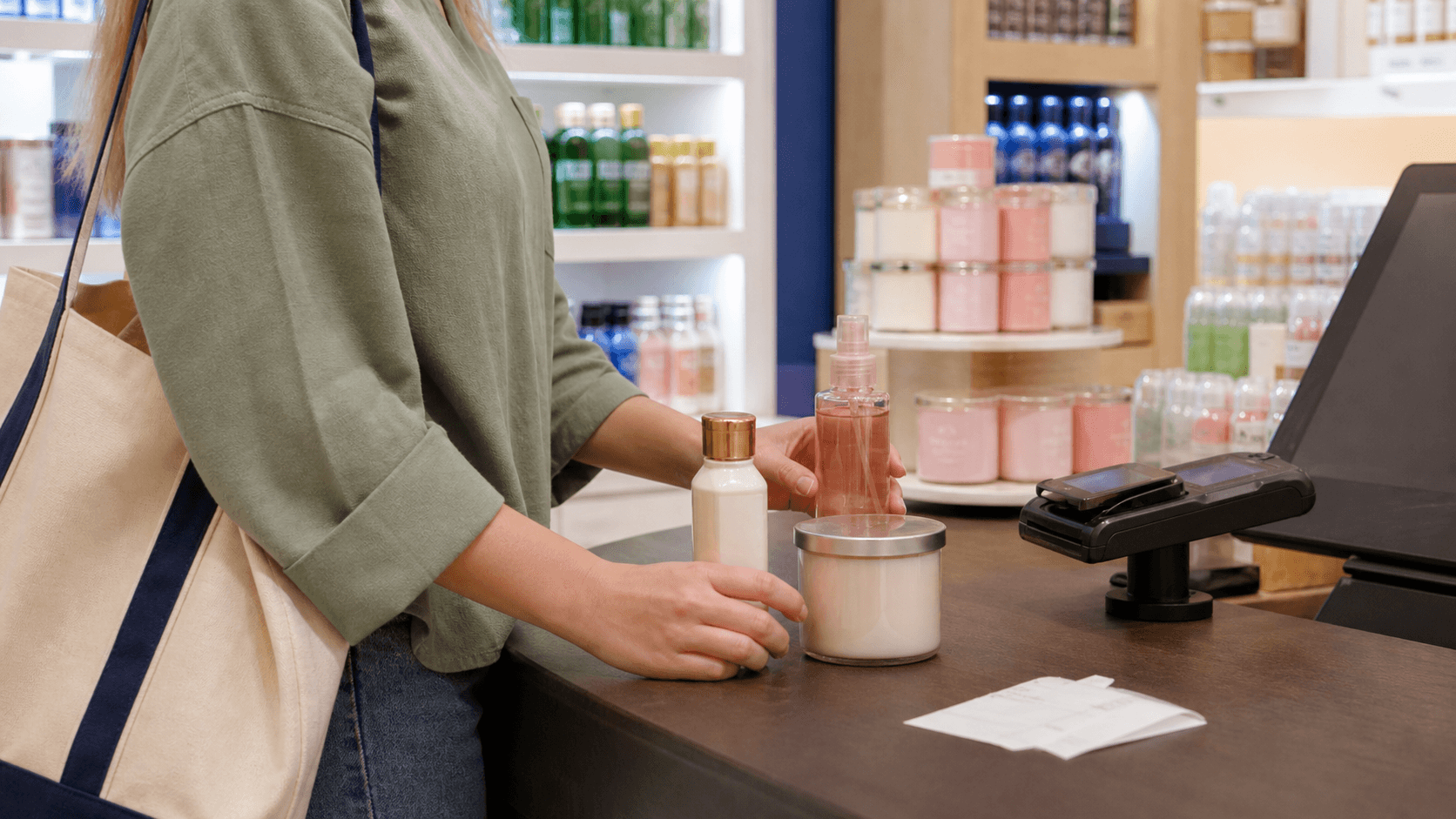
Bath & Body Works did not report a clean consumer comeback. It reported something more useful for investors: shoppers are still willing to buy small permission slips.
On May 27, Bath & Body Works beat first-quarter expectations with $1.38 billion in sales and adjusted earnings of $0.32 a share, helped by candles, fragrance, and personal-care products. The stock reaction made sense. But the more interesting detail is that full-year sales are still expected to fall 2.5% to 4.5%.
That is the business lesson. The U.S. consumer is not suddenly relaxed. The consumer is editing the cart, then allowing one or two purchases that feel emotionally defensible.
At a checkout counter, that looks simple: a shopper puts down a candle, a small lotion, maybe a body spray, and taps a card. It is not a sofa. It is not a vacation. It is not a kitchen remodel.
It is a $20-ish indulgence that can survive a household budget meeting.
That is why the phrase "affordable luxury" matters, even though it can sound like retail theater. In this market, affordable luxury is not really about luxury. It is about permission.
The customer does not need to believe the economy is great. The customer only needs to believe this one purchase will not wreck the week.
That puts Bath & Body Works in a different category from retailers selling bigger-ticket discretionary goods. A candle can be a mood product, a gift, a self-care item, a dorm-room upgrade, or a tiny seasonal refresh. The same object can be justified five ways.
The strongest discretionary retailers in 2026 are not simply the cheapest. They are the ones that give consumers a cleaner story to tell themselves at checkout.
That story has three parts:
- The ticket is small enough to avoid guilt.
- The product feels personal enough to avoid being purely practical.
- The brand gives the shopper a reason to return before the old item is fully used up.
This is also why the quarter should not be read as a broad green light for retail. Bath & Body Works still reported sales down 3% from a year earlier. Management reaffirmed a full-year decline. The company also announced that CFO Eva Boratto will step down in June, with an interim CFO taking over while a search continues.
So the story is not "demand is strong." The story is "demand is selective, and some categories are better at surviving selectivity."

The stock market often treats consumer earnings like a referendum: healthy consumer or weak consumer, trade up or trade down, recession or no recession. That framing misses how people actually shop after two years of price fatigue.
A household can cut back on restaurants and still buy fragrance. A parent can delay a furniture purchase and still buy a small gift. A young professional can complain about rent and still treat a candle as an apartment upgrade.
The contradiction is the point.
Abercrombie & Fitch offered a similar clue on the same day. Reuters reported that Abercrombie beat quarterly profit estimates, with first-quarter sales around $1.1 billion and steady U.S. demand offsetting weakness overseas. That does not mean apparel is easy. It means brand heat and clear customer identity can still pull money out of a cautious wallet.
For investors, the question is not whether consumers are spending. They are. The question is which businesses can make spending feel explainable.
That is a harder advantage than a temporary promotion. Promotions move units. Permission moves repeat behavior.
The merchandising desk is where this becomes less romantic. Bath & Body Works has to keep newness high, inventory clean, and price points believable. Too many discounts can train customers to wait. Too much premium language can make the brand look tone-deaf. Too little innovation turns the store into a pantry of yesterday's scents.
This is the tightrope for every "affordable indulgence" retailer:
- Raise effective prices too much, and the purchase stops feeling harmless.
- Promote too often, and the brand becomes a coupon habit.
- Chase luxury too visibly, and the middle-income shopper feels pushed out.
- Underinvest in product refresh, and the repeat visit loses its reason.
The winning version is boringly operational. It is not a grand consumer thesis. It is a cadence problem: launch the right scents, keep the shelves fresh, protect gross margin, sell through the right channels, and avoid teaching customers that full price is fake.
Bath & Body Works has also been expanding distribution through Amazon, a move that makes strategic sense but changes the margin psychology. A mall store can make a small indulgence feel like a little ritual. An Amazon page turns the same product into a replenishment item sitting beside paper towels and phone chargers.
That can increase reach. It can also strip out some of the theater that made the product feel special.
This is where the investor blind spot lives. "Affordable luxury" is not a category with unlimited pricing power. It is a fragile contract with the customer. The customer agrees to spend on a nonessential item because the price, product, and feeling line up at the same moment.
Break one piece, and the candle is just wax.
The better read on Bath & Body Works is therefore cautious optimism. The company showed that it can still beat a low bar in a selective spending environment. It also showed that the bar is low for a reason.
The next consumer winners will not be the retailers shouting that everything is fine. They will be the ones that understand the new checkout math: shoppers are not out of money, but every little purchase now needs a defense.