The Cleanest Consumer Trade Is the Toll on the Transaction

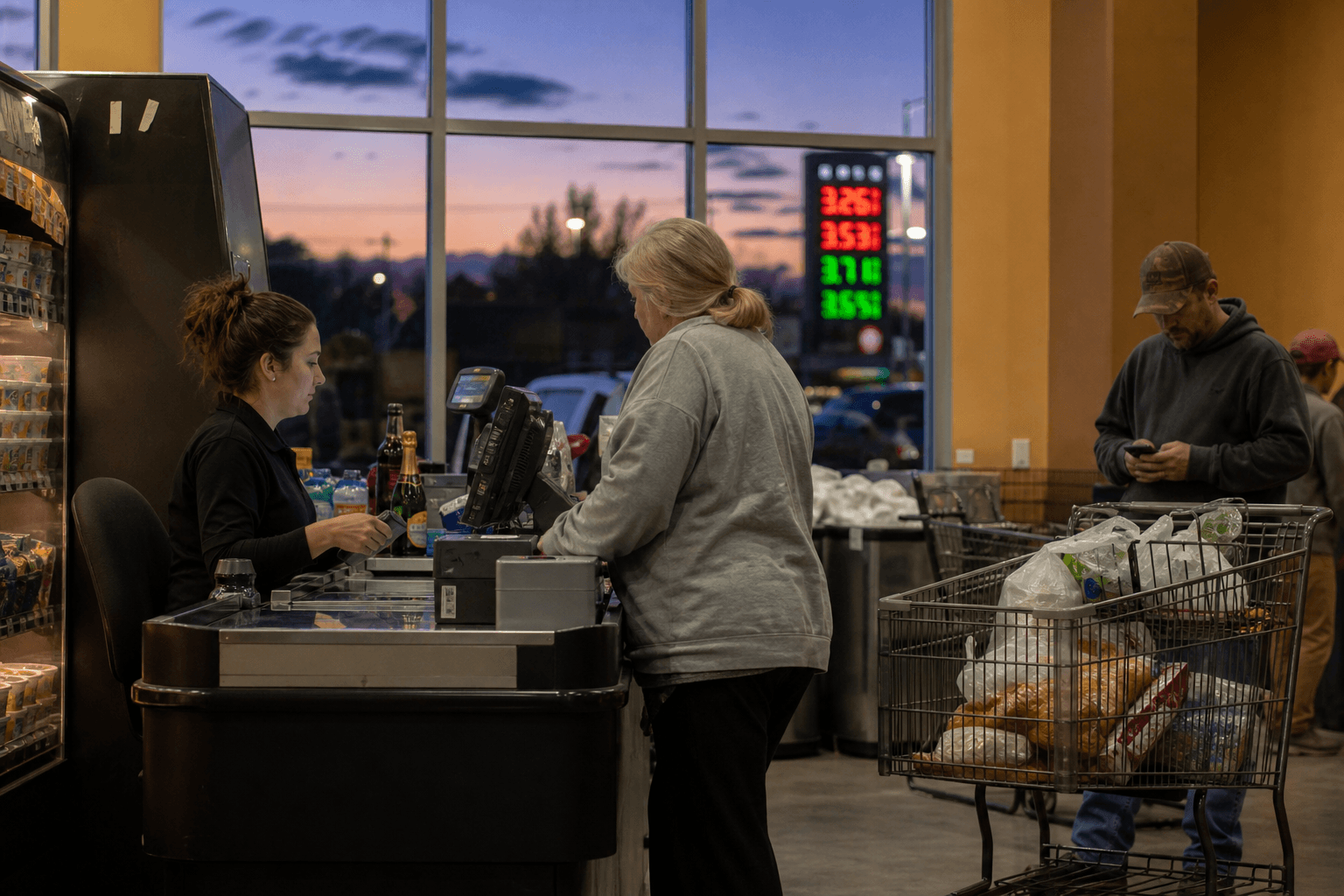
The strongest consumer numbers in America may now belong to the businesses least exposed to the actual shopping basket.
That was the quiet message inside a week of seemingly unrelated data. Visa reported fiscal second-quarter net revenue up 17%, with payments volume up 9%. Mastercard said first-quarter gross dollar volume rose 7% and its value-added services business now makes up about 40% of revenue. At the same time, the Census Bureau said April retail sales rose 0.5% from March and 4.9% from a year earlier. On the surface, that all sounds like another simple vote of confidence in the U.S. consumer.
But casual readers are missing where the resilience is actually being monetized. The cleanest consumer business models are no longer the ones that sell the goods. They are the ones that charge tolls on the transaction, the membership, the delivery promise, or the advertising slot around the purchase. In a K-shaped economy, that difference matters more than the headline sales number.
Walmart’s latest quarter makes the point better than any macro chart. Revenue rose 7.3%, Walmart U.S. comparable sales increased 4.1% excluding fuel, and the company said market-share gains were led by upper-income households. Yet the more revealing figures sat outside the core retail shelf story: global advertising grew 37%, Walmart U.S. eCommerce grew 26%, and global membership fee income rose 17.4%. Operating income increased 5.0%, which is solid, but still slower than revenue growth. That is what a modern consumer business looks like under pressure: keep the basket moving, but make sure a growing share of profit comes from side lanes that are less exposed to product-level margin strain.
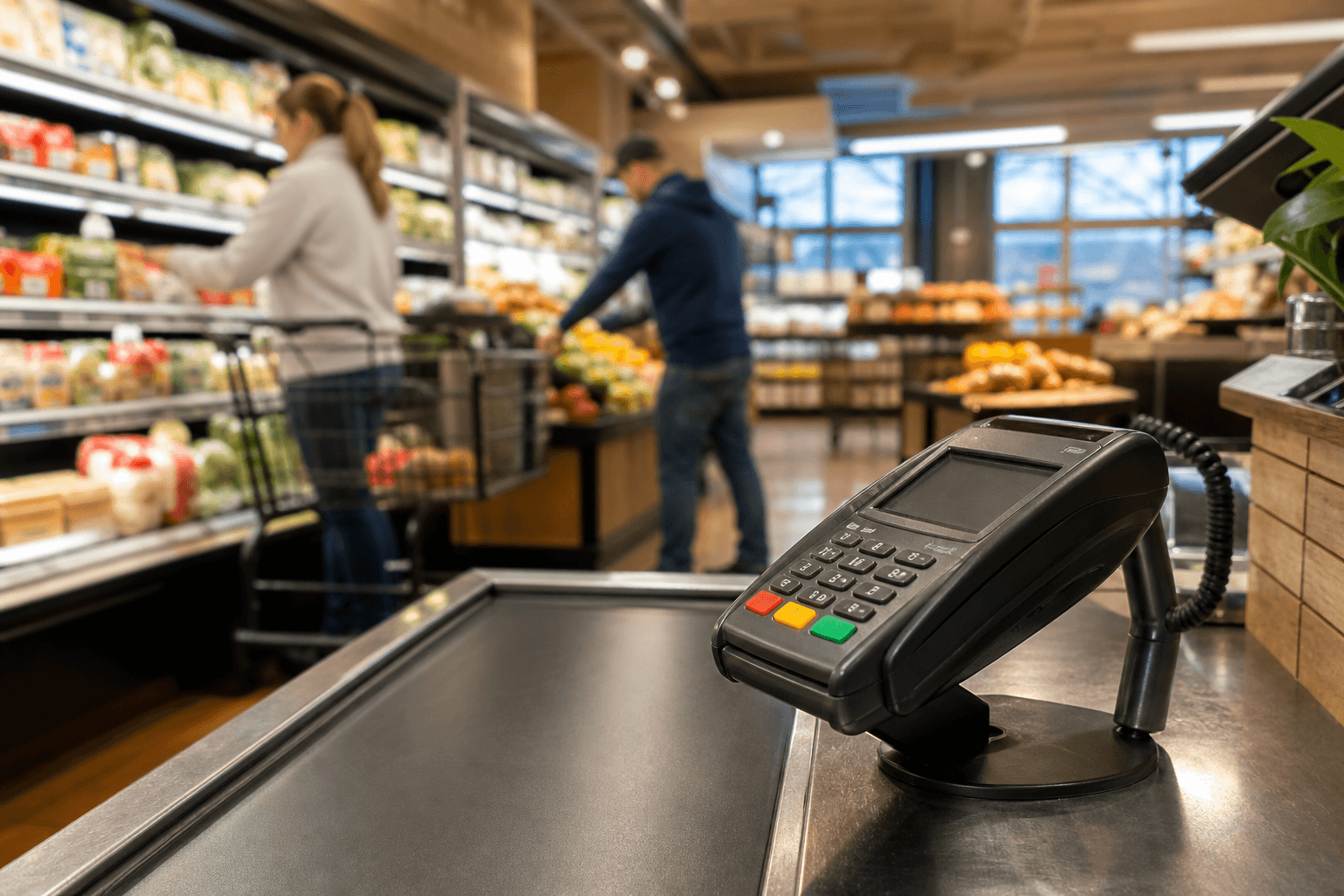
The payment networks sit even further from that strain. Visa’s model is tied to transaction volume, not credit risk, and Reuters noted that its strength at the top end of the income spectrum can offset softness at the bottom. Mastercard and American Express delivered similar read-throughs. The same Reuters reporting on April retail sales showed why that matters: part of the spending strength came from higher gasoline prices and larger tax refunds, while inflation outpaced wage growth in April and lower-income households were already leaning harder on savings and credit. In other words, nominal spending can still look healthy even as the underlying household experience gets more fragile.
That is great news if your business gets paid on the swipe. It is less comfortable if you still rely on selling physical goods at a spread after eating freight, labor, shrink, and promotional costs. Fuel inflation can lift the dollar volume running through payment rails. It can also squeeze the merchant who has to protect price perception and absorb operational volatility. The old consumer trade was about choosing the retailer with the best assortment. The new one is increasingly about choosing the company with the most ways to monetize the trip without owning all the economics of the basket.
This is why Walmart’s quarter matters beyond Walmart. The company is trying to become a hybrid: part merchant, part marketplace, part media network, part membership platform, part last-mile convenience service. That model gives it a better shot at defending profit than a traditional retailer that only has one lever left, which is markup. It also explains why many middle-tier consumer companies can report decent demand and still struggle to produce exciting earnings quality.
The investor takeaway is sharper than “the consumer is holding up.” A better question is: who gets paid first when spending still happens, but households become more uneven and more price sensitive? Right now, the answer looks less like the plain old merchant and more like the business collecting a fee on the flow. If the next phase of this economy is resilient spending paired with thinner household cushions, the safest consumer exposure may be the toll collector, not the store.