Homeownership Is Becoming a Maintenance Subscription

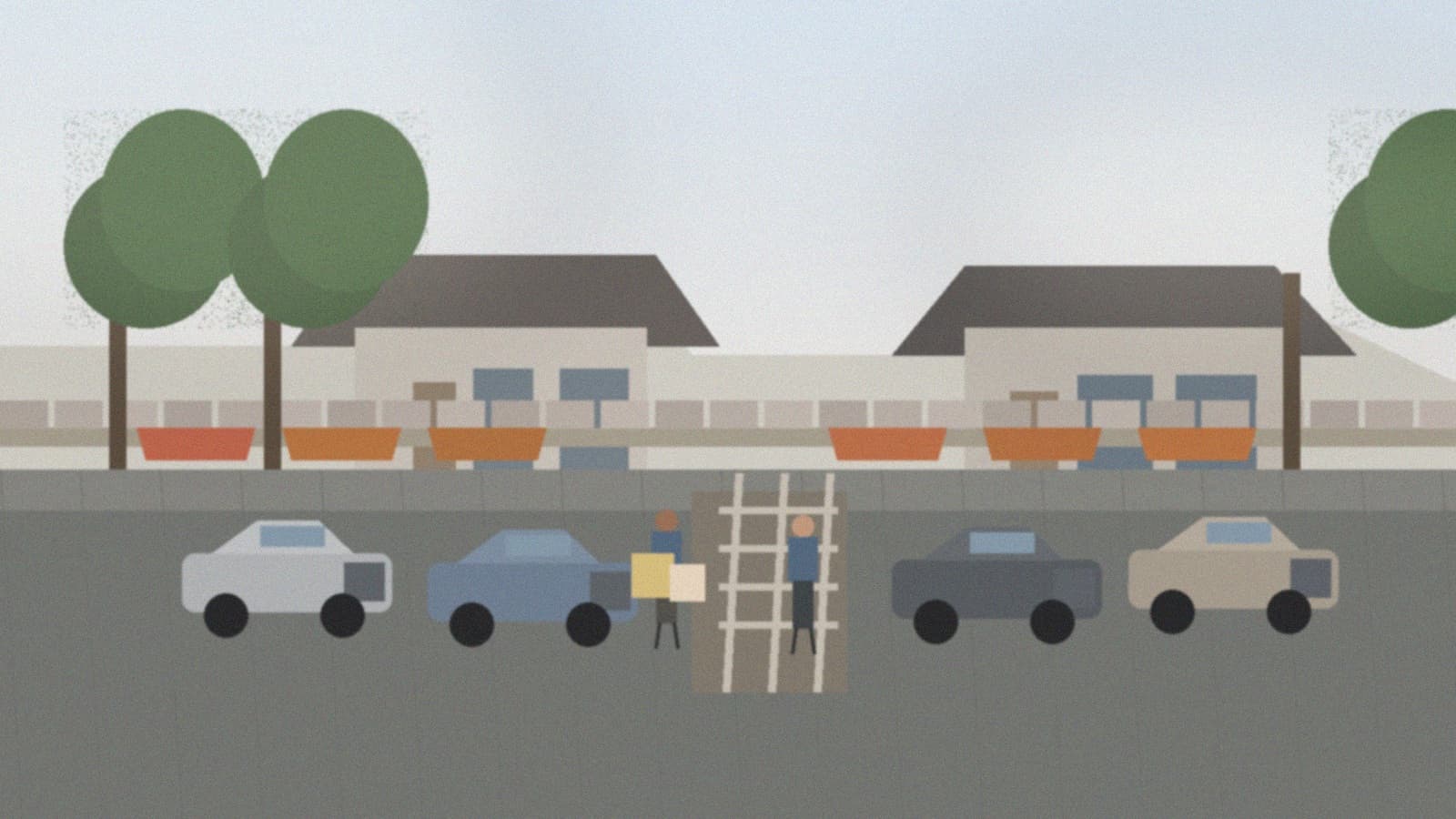
At 7 a.m., the most important line in American housing is not outside an open house. It is outside the contractor entrance at Home Depot.
Pickup trucks back in for drywall, fittings, replacement doors, and the unglamorous stuff that keeps a house usable. A little later, homeowners drift through the spring aisles for mulch, filters, patch kits, and a new faucet because the old one started leaking at the wrong time. That is the point. In a frozen housing market, Americans are not moving. They are maintaining.
Home Depot's latest quarter looks modest if you read it like a normal retail report. Sales rose 4.8% to $41.8 billion. Comparable sales rose just 0.6%. Net earnings slipped from a year ago. On the surface, that looks like a company grinding through a weak backdrop.
But the more interesting signal is what kind of spending is still alive.
Management said demand looked a lot like fiscal 2025 even with housing affordability pressure still in place. Reuters reported that professional customers stayed resilient while homeowners kept doing smaller, budget-friendly repair projects. AP noted that customer transactions fell 1.3%, even as the average ticket rose to $92.76 from $90.71.
That is not a boom. It is a maintenance economy.
The market keeps waiting for lower mortgage rates to revive housing the old way: more listings, more moves, more remodels attached to a purchase, more furniture, more appliances, more everything. But existing-home sales in April were only 4.02 million at a seasonally adjusted annual rate, according to the National Association of Realtors, basically flat with a year earlier. Pending home sales improved, but this still does not look like a market that has regained normal turnover.
So the money is flowing somewhere else.
It is flowing into the cost of staying put.
That matters because staying put creates a different kind of retail basket. When people move, they spend in bursts. They rip out kitchens, replace floors, buy patio sets, repaint whole rooms, and finance a bigger vision. When they do not move, spending gets chopped into smaller decisions:
- fix the old deck instead of building the dream one
- replace the water heater before it fails
- patch the bathroom, refresh the lighting, swap the appliance, keep going
Those purchases are less exciting, but they are also less optional.
That is why Home Depot's quarter reads less like a cyclical housing rebound and more like a business adapting to a nation of trapped owners. If the average homeowner is locked into an old mortgage and unwilling to trade it for a new one, the house stops being a stepping stone and starts behaving like a long-duration asset that needs ongoing capex.
That shift helps explain why the professional side matters so much. The do-it-yourself customer buys a Saturday project. The contractor gets paid to keep deferred maintenance from turning into a larger problem. In a stalled housing market, the pro customer is not just another segment. He is the monetization layer for immobility.
This is also why I think investors should be careful with the usual housing recovery checklist. A modest improvement in affordability or a small pickup in pending sales does not automatically mean the old housing flywheel is back. There is a big difference between a family deciding it can finally buy a house and a family deciding it cannot wait any longer to repair the one it already has.
Those are two different economies.
One rewards transaction volume. The other rewards upkeep, financing discipline, service density, and supply-chain reliability. Home Depot looks increasingly built for the second one. The SRS footprint only makes that clearer: the company is leaning further into the contractor ecosystem because the contractor ecosystem is where frozen housing stock becomes recurring revenue.
That has a broader implication for housing-adjacent businesses.
The winners may not be the companies waiting for turnover to come back. They may be the ones earning a toll on stagnation: repair retail, distribution, maintenance services, replacement products, specialty trades, and the lenders that can finance small projects without pretending consumers are ready for a full remodel cycle.
For years, investors treated housing like a rate-sensitive transaction machine. Buy the builders when financing eases. Buy the brokers when listings rise. Buy the home-improvement names when activity broadens.
That framework is now incomplete.
High rates did not just slow housing. They changed the revenue mix around it. They pushed more value toward businesses that can make money from people not moving.
That is a quieter trade than betting on a big housing thaw. It may also be the more durable one.
If the American home is becoming less of a mobility asset and more of a maintenance subscription, who really benefits first when the owner never leaves?