Texas Screwworm Puts A Biosecurity Premium Into Beef Prices

TL;DR: USDA confirmed New World screwworm in a South Texas calf on June 3, and the business risk is not an instant beef shortage. It is that a cattle market already short on animals now has to price biosecurity friction: quarantines, inspections, treatment costs, border disruptions, and slower herd rebuilding. For consumers and investors, the small case count matters because the beef system has very little slack.
##What The Texas Screwworm Case Changes For Beef
The first mistake is to treat New World screwworm like a scary animal-health headline that lives far away from the meat case.
It is really a working-capital story with hooves.
USDA's Animal and Plant Health Inspection Service said it confirmed New World screwworm in a bovine in Zavala County, Texas on June 3. AP later reported that officials confirmed a second nearby calf case and described the pest as a threat to the $113 billion U.S. cattle industry.
That does not mean grocery shelves are about to empty.
The sharper point is that U.S. beef pricing was already running on a narrow bridge. When a biosecurity problem lands on that bridge, even a contained outbreak can create costs before it creates visible scarcity.
##Why A Small Outbreak Can Still Carry A Price Signal
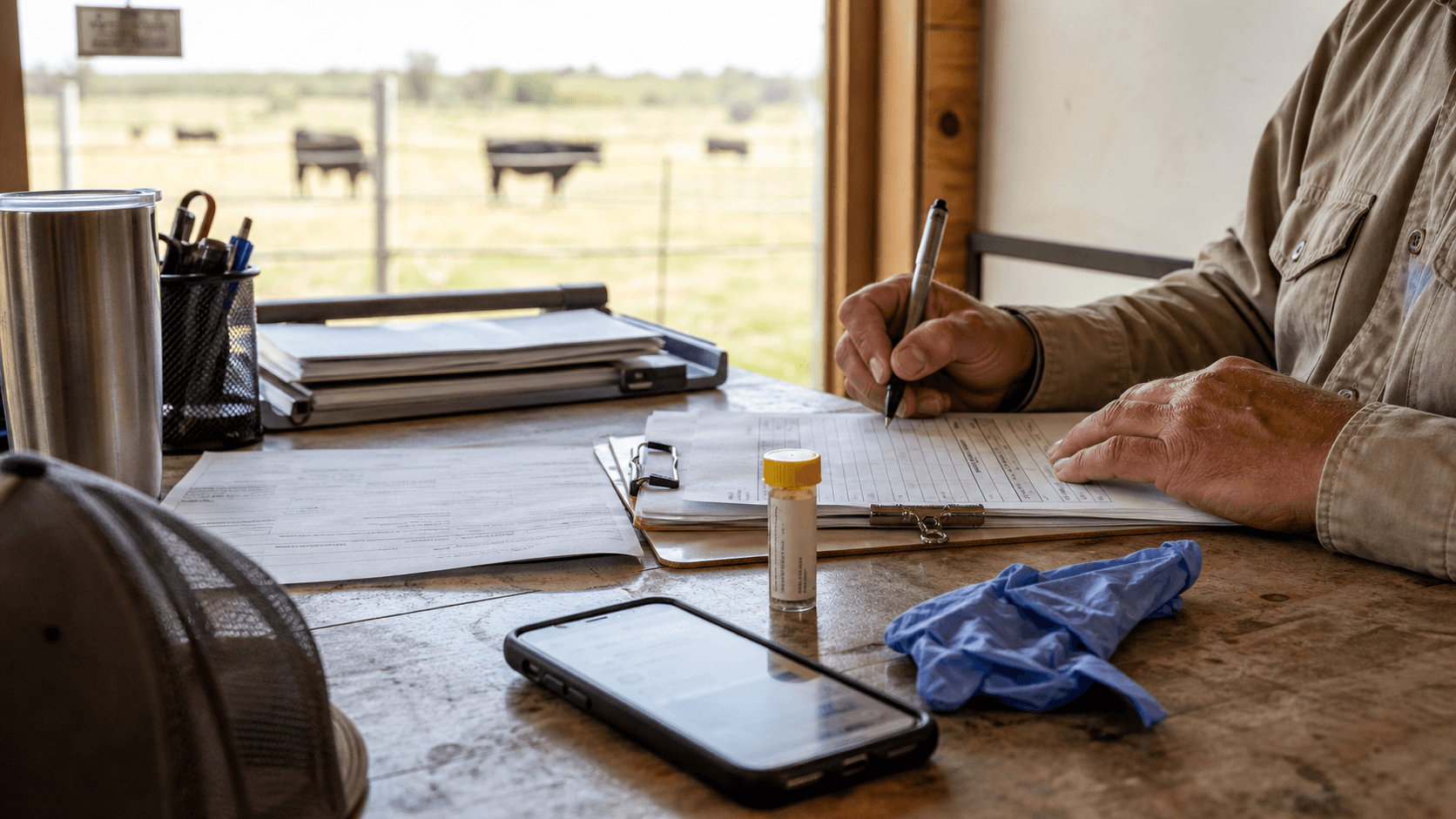
A ranch office is not a trading floor, but it is where this story starts.
Somebody has to check calves, document suspect wounds, call a veterinarian, hold animals inside a movement-control area, and wait while federal and state agencies decide what can move. That is time. Time is cost. In cattle, cost often becomes basis, margin, or price.
#The mechanism is friction, not panic
The market does not need a giant herd loss to care. It only needs more friction in a system that was already tight.
The practical pressure points are simple:
- ranchers spend more on monitoring, treatment, labor, and veterinary calls
- sale barns and feedlots face more paperwork and movement risk
- packers worry about cattle flows, not just headline herd size
- retailers eventually see higher replacement costs if live-cattle tightness lasts
- consumers meet the story last, as higher beef prices or fewer promotions
This is why the screwworm story belongs in a business feed. The parasite is biological. The transmission into markets is operational.
##Where The Beef Market Was Already Vulnerable
The U.S. cattle cycle was tight before the Texas case.
USDA's National Agricultural Statistics Service reported 86.2 million cattle and calves on U.S. farms as of January 1, 2026, down slightly from a year earlier. The agency also put beef cows at 27.6 million head, down 1%.
That is the background investors should hold in their heads. This is not a loose market absorbing one more nuisance.
USDA's Economic Research Service said in its cattle and beef outlook that the 2026 beef production forecast was lowered by 243 million pounds to 25.547 billion pounds, citing a slower expected slaughter pace. ERS also said cattle prices were raised on recent price data and projected next year's prices to reach new highs as supplies remain limited.
#A tight herd changes the meaning of biosecurity
When herds are plentiful, an outbreak response is mainly an expense line.
When herds are tight, the same response becomes a timing problem. Ranchers may delay movements. Feedlots may bid differently. Packers may have less room to smooth regional disruptions. Retailers may protect margin by shrinking promotions instead of absorbing higher costs.
That is how a local animal-health event becomes a national consumer-price story without needing to become a national catastrophe.
##Who Pays Before The Consumer Notices
The first bill usually lands upstream.
A rancher pays in extra labor, fewer easy movements, and more uncertainty about when animals can be sold. A feedlot pays if cattle availability becomes choppier. A packer pays if plant utilization gets harder to plan. A grocer pays when wholesale beef stays firm and the weekly ad loses its easy discount item.
The shopper only sees the final version.
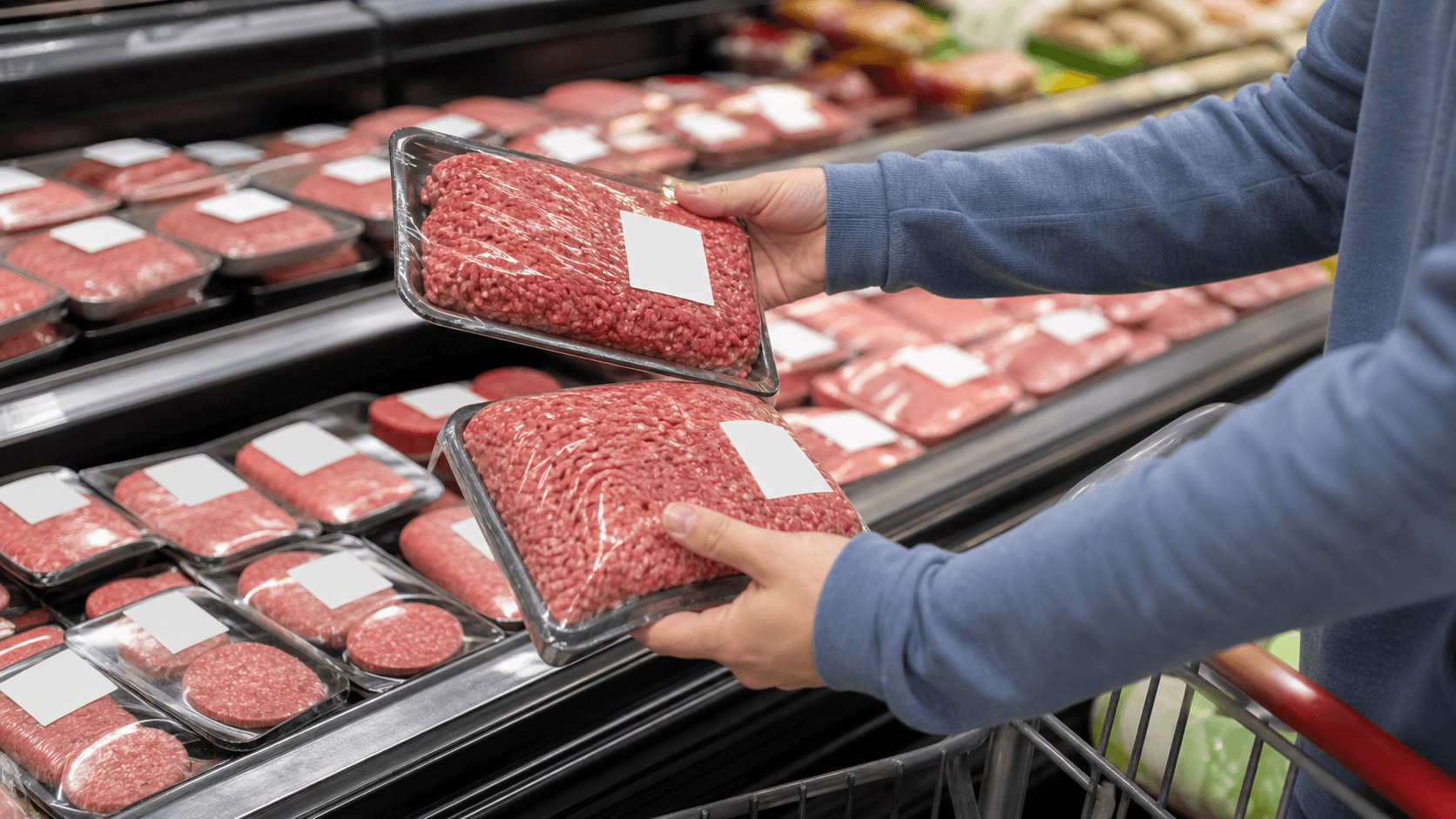
That final version might be a higher sticker price, a smaller sale, or a quiet shift toward chicken, pork, or private-label prepared food. Consumers do not need to know what New World screwworm is for it to change the price architecture around ground beef.
##What Investors Should Watch Next
The next useful signals are not dramatic.
Watch whether the Texas cases stay geographically tight. Watch whether movement controls remain narrow. Watch the Mexico live-cattle import path, because border cattle flows matter when the domestic herd is thin. Watch live-cattle futures and packer margins for signs that a biosecurity risk premium is being priced into ordinary procurement.
Also watch the sterile-fly response. The old U.S. eradication playbook depended on releasing sterile insects at scale. If the response looks slow, ranchers and markets will price that delay even before official loss numbers look large.
The point is not that beef is suddenly uninvestable or that every burger becomes a luxury item.
The point is more annoying and more important: a small biological breach can expose how little redundancy the cattle cycle has left. The grocery aisle will not announce that mechanism. It will just stop discounting as generously.
#FAQ
Is New World screwworm a finance story?
Yes, when it affects cattle movement, monitoring costs, border trade, herd rebuilding, packer utilization, and retail beef pricing. The biology matters because it can create real operating friction inside a tight supply chain.
Does this mean beef prices will immediately spike?
Not necessarily. The stronger claim is that the cattle market already had limited slack, so even a contained outbreak can support a risk premium, reduce promotions, or slow price relief for consumers.
What should investors track first?
Track case geography, movement restrictions, Mexico cattle-import status, live-cattle futures, packer margins, and USDA response capacity. Those signals will matter before broad consumer-price data captures the impact.