AI Inference Is Becoming a Real Estate Recycling Trade

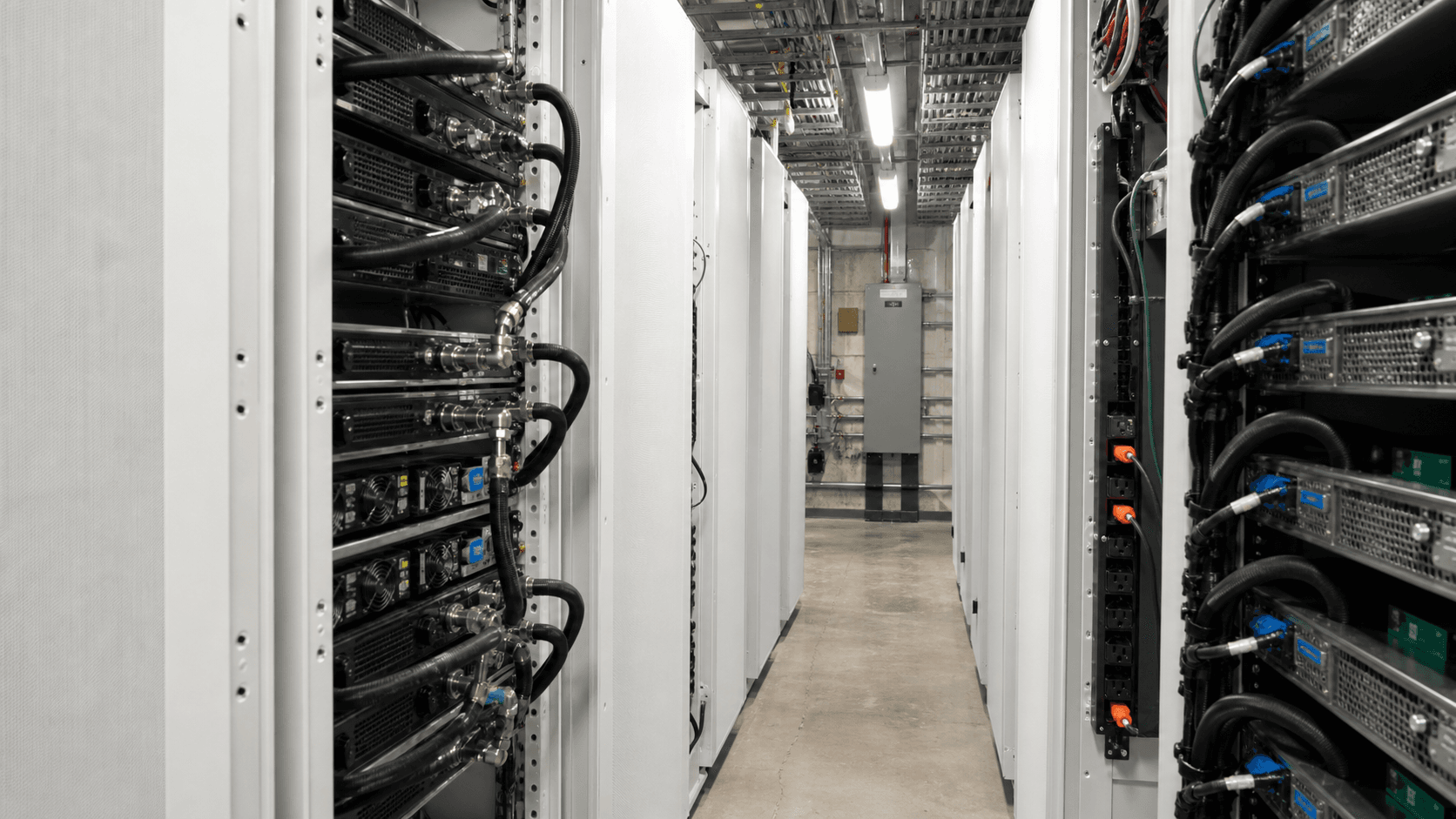
TL;DR: I Squared's $225 million purchase of 10 Cogent data centers is not just another AI infrastructure deal. It shows that AI inference demand is starting to reprice older telecom and colocation buildings with power, fiber, and a fast upgrade path. The business implication is blunt: the next AI capacity winner may be the operator who can recycle imperfect real estate before a greenfield data-center campus even gets a permit.
##What I Squared Is Really Buying
The easy version of the story is that I Squared agreed to buy 10 Cogent facilities for $225 million. That is true, but it is too clean.
The sharper version is that I Squared is buying time.
Reuters reported that the portfolio includes roughly 53 megawatts of installed power and about 259,000 square feet across nine U.S. markets. I Squared also plans to commit another $1 billion to upgrades and acquisitions through a new platform focused on colocation, high-density deployments, and AI inference.
That sounds modest next to the hyperscaler capex numbers everyone likes to quote. That is exactly why it matters.
The overlooked trade is not "who can build the biggest AI campus." It is who can turn existing technical buildings into usable capacity before the market stops paying a scarcity premium.
##Why Inference Changes The Data Center Math
AI training and AI inference are not the same infrastructure business.
Training wants giant, scarce, power-hungry campuses. It rewards massive contiguous power blocks, long development timelines, and customers willing to wait for enormous clusters.
Inference is different. It wants enough power, enough cooling, enough fiber, and enough geographic spread to serve recurring workloads closer to customers.
That difference changes the asset map.
- Training favors the trophy campus.
- Inference favors the convertible building.
- Training is about peak scale.
- Inference is about usable capacity in the right place.
- Training makes headlines.
- Inference may make more old real estate financially interesting.
This is the part casual readers miss. AI infrastructure is not only creating new demand for chips and power. It is also changing the discount rate on buildings that already have the right bones.
##Where The Real Operating Scene Happens
Picture the less glamorous room in this deal.
Not a launch event. Not a shiny render of a future data-center campus. A site-planning desk with utility notes, fiber routes, cooling assumptions, and a spreadsheet asking the same boring question over and over: how quickly can this building be made sellable to a real tenant?
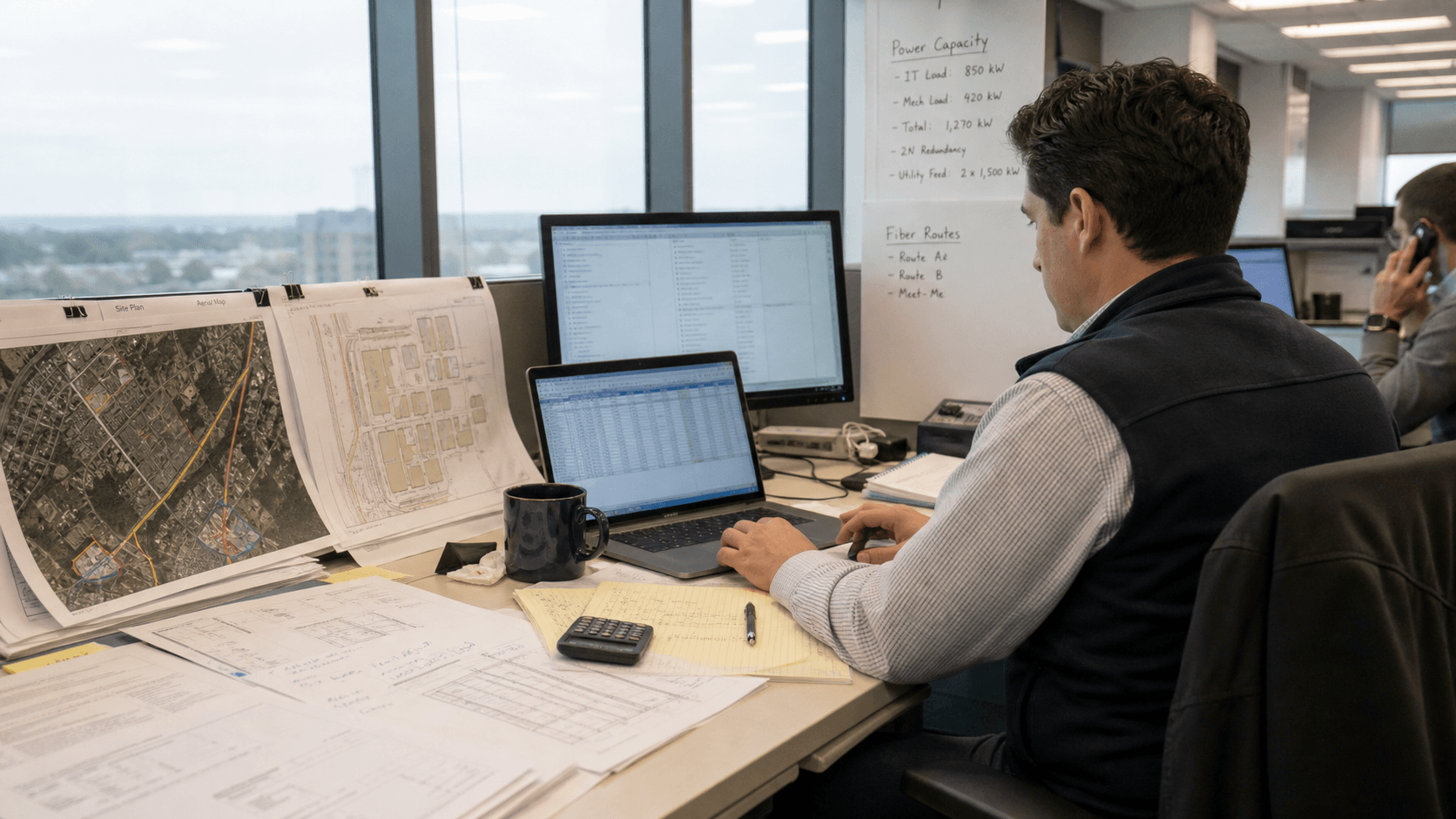
That is where the money is made or lost.
If an older telecom-heavy property already has fiber access, usable power, and a plausible route to higher-density retrofits, it can become an AI infrastructure asset long before a new campus comes online. The buyer is not just underwriting square footage. The buyer is underwriting conversion speed.
This is why the phrase "closer to end-users" in the Reuters report matters more than the purchase price. It signals that part of the AI trade is moving from heroic training clusters into distributed inference plumbing.
##Who Benefits From The Recycling Trade
The seller's side is just as important.
Cogent is not selling because data centers have stopped being attractive. It is selling because these facilities may be more valuable to a specialist operator than inside a bandwidth company managing leverage.
On Cogent's May earnings call, management said proceeds from data-center sales would help rapidly delever the borrower group. That creates a neat handoff: Cogent sees non-core assets that can repair the balance sheet; I Squared sees latency-ready inventory that can seed an AI infrastructure platform.
Same buildings. Different owners. Different math.
The beneficiaries are not only obvious AI names. The second-order winners can include:
- infrastructure funds that can buy technical real estate before public investors relabel it as AI exposure,
- operators that know how to add cooling, power density, and interconnection without wasting two years,
- and customers that need inference capacity sooner than a new campus can be delivered.
The losers are the investors still treating every data-center story as one giant category.
##What Investors Should Watch Next
The cleanest test is not whether more companies say "AI data center" in a press release.
The test is whether older assets start changing hands at prices that assume retrofit value, faster lease-up, and higher-density workloads. Former telecom sites, carrier hotels, regional colocation properties, and underloved technical buildings can all be repriced if they sit in constrained markets with usable power and interconnection.
That does not mean every old facility becomes an AI gold mine. Some buildings will fail the cooling math. Some will be trapped by utility timelines. Some will need more capital than the tenant economics justify.
But the direction is clear enough: AI infrastructure is maturing from a pure buildout story into an asset-conversion market.
The next AI capacity trade may not start with new land. It may start with somebody else's overlooked building.
#FAQ
Why does I Squared's Cogent data-center deal matter? It matters because it shows AI inference demand can reprice existing telecom and colocation facilities, not just new hyperscale campuses. The financial mechanism is asset conversion: buy older technical real estate, upgrade it, and sell faster usable capacity.
What is AI inference in business terms? AI inference is the recurring use of trained AI models in real applications. In infrastructure terms, it can reward distributed data centers with power, cooling, and fiber near customers rather than only massive training campuses.
What is the main risk in this trade? The risk is that retrofit economics do not work. If power upgrades, cooling, utility queues, or tenant demand disappoint, an "AI-ready" building can become just another expensive real-estate project with better marketing.