Dollar Tree Is Becoming a Cross-Income Shopping Habit

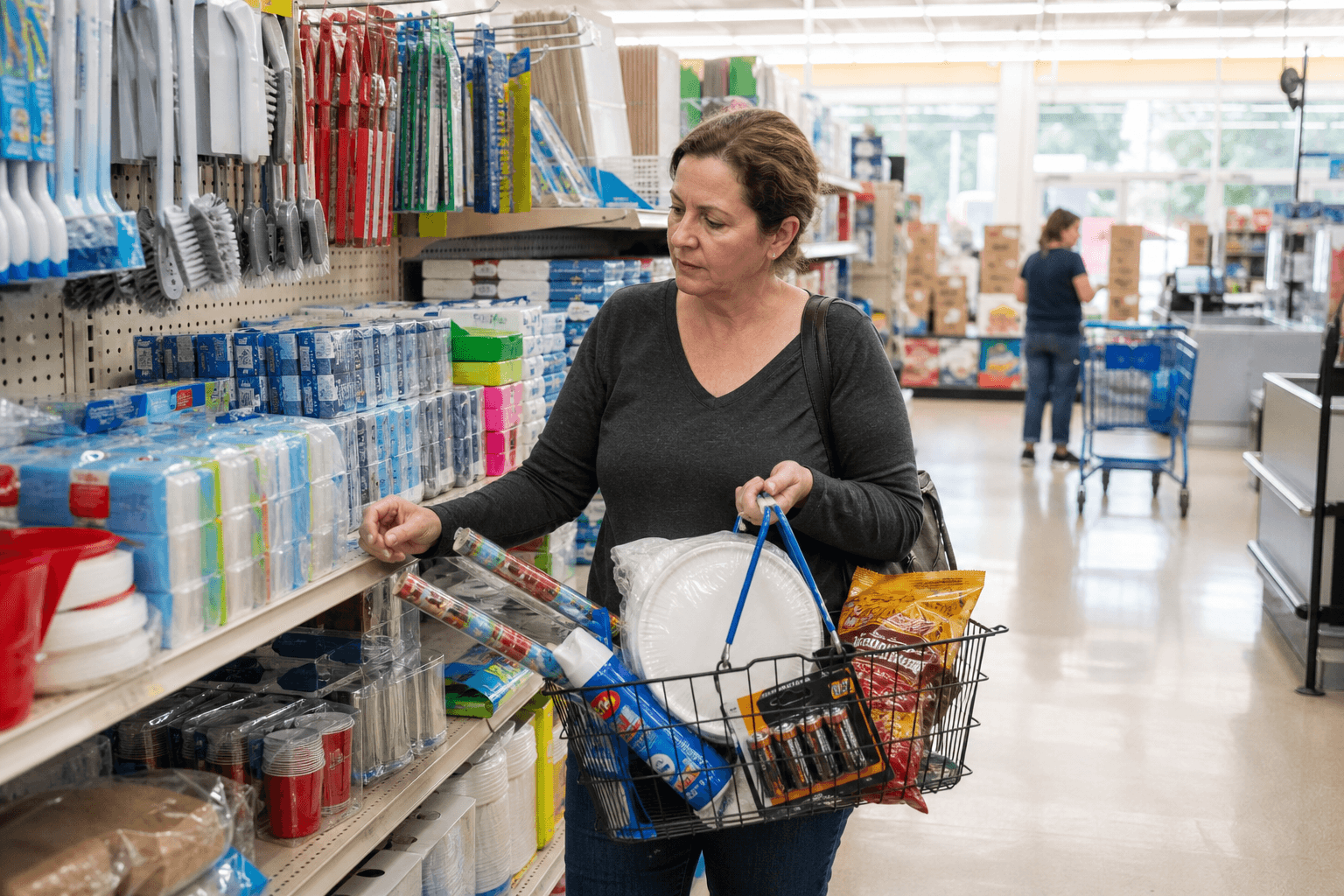
Walk into a Dollar Tree in the late afternoon and the old stereotype falls apart fast. One shopper is buying paper plates, batteries, and party supplies on the way home from work. Another is grabbing snacks and cleaning products because it is faster than doing a full grocery run. The basket does not scream emergency. It screams convenience with permission.
That is why Dollar Tree's latest quarter matters. The market still likes to treat dollar stores as a stress gauge for broke households. I think Dollar Tree is becoming something more durable: a cross-income retail habit.
The headline numbers point in that direction. According to the company's latest earnings-call summary, Dollar Tree's first-quarter results beat expectations with 11.3% revenue growth, strong comps, and robust customer gains, especially among higher-income shoppers. That landed against a backdrop where analysts were already bracing for a weakening low-income consumer and cost pressure around tariffs, while expecting about $4.97 billion of revenue and $1.55 in EPS.
If the business were only a recession hedge, the story would be simpler. Bad consumer, good dollar store. Good consumer, bad dollar store. That is not what Dollar Tree is building.
The more interesting shift started before this quarter. In March, management said it had converted or added about 2,400 stores to the Dollar Tree 3.0 multi-price format, ending fiscal 2025 with roughly 5,300 multi-price stores. It also said it planned around 400 new stores in fiscal 2026.
That is not just a merchandising tweak. It is a change in who the store is for.
The old dollar-store model depended heavily on being the cheapest stop for a financially stretched customer. The newer Dollar Tree model is trying to be a quick, low-friction add-on stop for a much wider customer set. Once you let prices move above the old single-price identity and give shoppers better mix, the store starts behaving less like a distress outlet and more like a convenience channel with a treasure-hunt edge.
That matters because convenience customers are better customers than emergency customers.
Emergency customers are volatile. They disappear when benefits change, gas spikes, rent jumps, or a tax refund arrives and gets spent somewhere else. Convenience customers are sticky because they are not visiting only when life goes wrong. They are visiting because the trip fits into normal life.
That changes the economics in at least four ways:
- It raises the odds that Dollar Tree keeps traffic even if the lowest-income shopper gets weaker.
- It gives the company more room to sell higher-ticket seasonal, party, cleaning, and household items through the multi-price format.
- It makes new-store expansion safer because the addressable customer is broader than the old bargain-bin base.
- It turns "trade down" from a temporary macro event into a learned shopping behavior.
Investors keep asking whether the low-income consumer is cracking. That is a fair question, and management has been cautious about that pressure. But focusing only on the weakest shopper misses the better business point. Dollar Tree may be quietly reducing its dependence on that shopper.
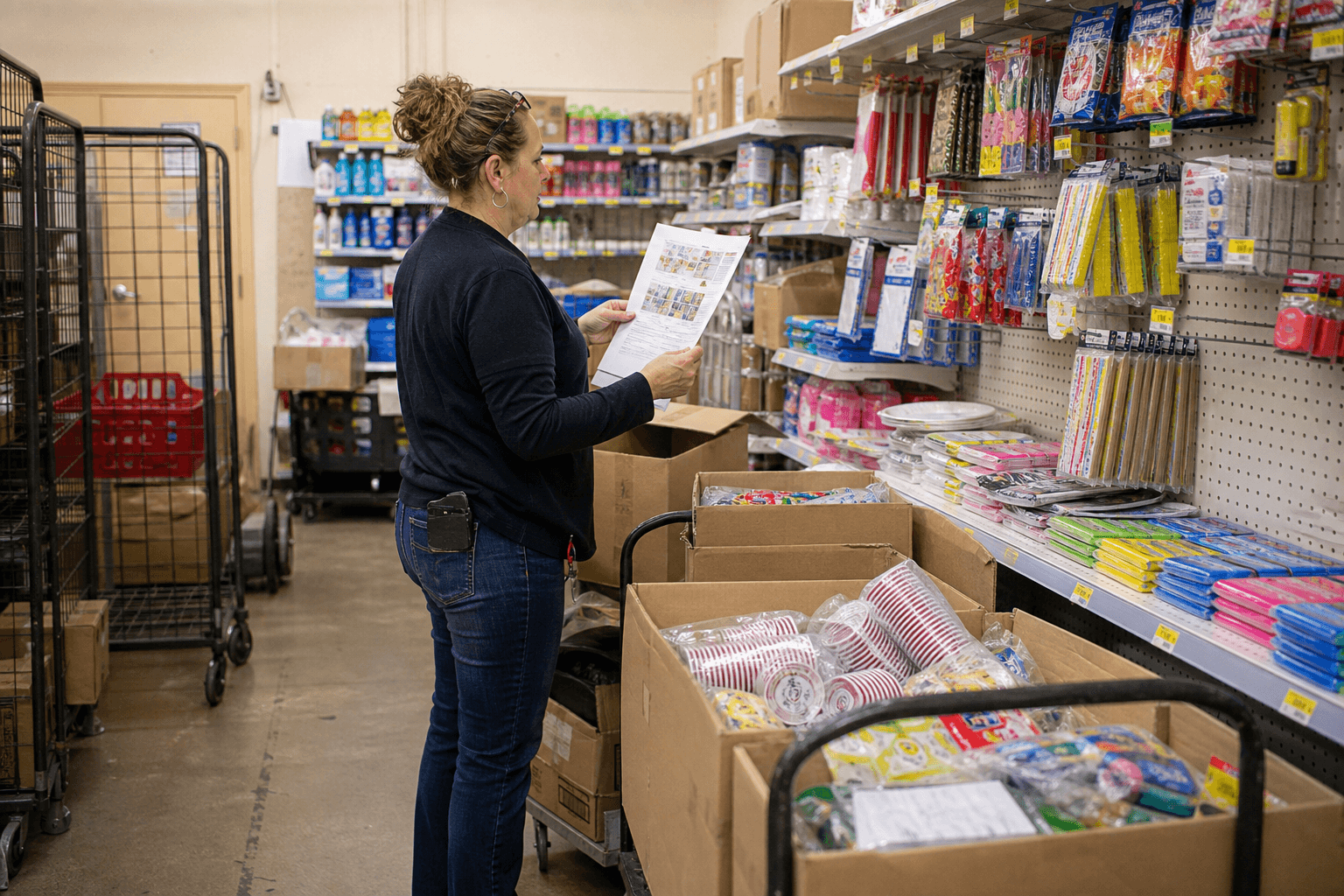
Picture the operating reality. A store manager is not just stacking $1.25 impulse items anymore. She is deciding how much shelf space goes to party goods, snacks, cleaning supplies, small-home organization, and a few slightly higher-priced items that still feel cheap relative to Walmart, Target, or the grocery store. The win is not that every item has the lowest absolute price. The win is that the customer leaves feeling smart for making a quick stop.
That is a better margin story than most people admit.
The market often assumes price-sensitive retail is permanently fragile. Sometimes it is. But Dollar Tree's mix strategy suggests something different: when households at multiple income levels are all trying to avoid feeling ripped off, the value merchant with the shortest trip and the least psychological friction can take share without looking luxurious, digital, or innovative.
In other words, Dollar Tree does not need to become aspirational. It just needs to become easy.
There is a second-order implication here for the rest of retail. If higher-income shoppers keep normalizing small fill-in trips at value chains, mainstream retailers lose more than a transaction. They lose the low-stakes basket that often leads to a larger one later. That puts pressure on categories that used to assume convenience belonged to drugstores, grocers, or big-box chains.
The twist is that this is happening while investors still talk about dollar stores as if they are pure macro misery trades.
I think that framing is now stale.
Dollar Tree is still exposed to tariff noise, freight, and a fragile lower-income customer. This is not a risk-free story. But if a retailer can widen its customer mix, expand its price architecture, and train suburban shoppers to treat it as a useful errand rather than a guilty one, the business stops looking like a temporary shelter from inflation.
It starts looking like habit infrastructure.
That is a much more powerful place to be than simply waiting for America to feel poor.