AI Security Is Learning the Hardware Bill Comes Due

The interesting part of Zscaler's quarter is not that customers want AI security. That was the easy story.
The harder story is that the company selling cloud security is now reminding investors that "cloud" still has a hardware bill. AI may be expanding the security budget, but it is also pushing more cost into the physical layer that software investors like to pretend is someone else's problem.
That is why a strong quarter could still get punished. Zscaler reported fiscal third-quarter revenue of $850.5 million, up 25% from a year earlier, and annual recurring revenue of about $3.5 billion. It also lifted its full-year revenue outlook. On the surface, this is what a healthy enterprise software company is supposed to look like.
Then came the cash-flow footnote.
Full-year free cash flow margin is now expected around 22.8% to 23.3%, down from the prior 26.5% to 27% range. The reason was not a demand collapse. It was capital spending moving into the high single digits as a share of revenue, helped along by higher costs for data-center equipment and Zero Trust Branch appliances.
That distinction matters. A demand problem says customers are pulling back. A capex problem says the product itself is becoming more physical.
Picture the buyer inside a large company. The old cybersecurity sale could be framed as a software simplification pitch: fewer boxes, fewer VPN headaches, fewer exposed applications. The new pitch has to handle employees using copilots, agents touching internal systems, data leaking through prompts, and attackers using automation to probe weak points faster.
That buyer does not want a clever feature demo. They want a control point.
So Zscaler's AI-security pitch is commercially useful. The company can say that if AI agents are going to move across apps, data, users, and devices, then the enterprise needs policy enforcement in the traffic flow itself. That is a good place to sit.
But sitting there is not weightless.
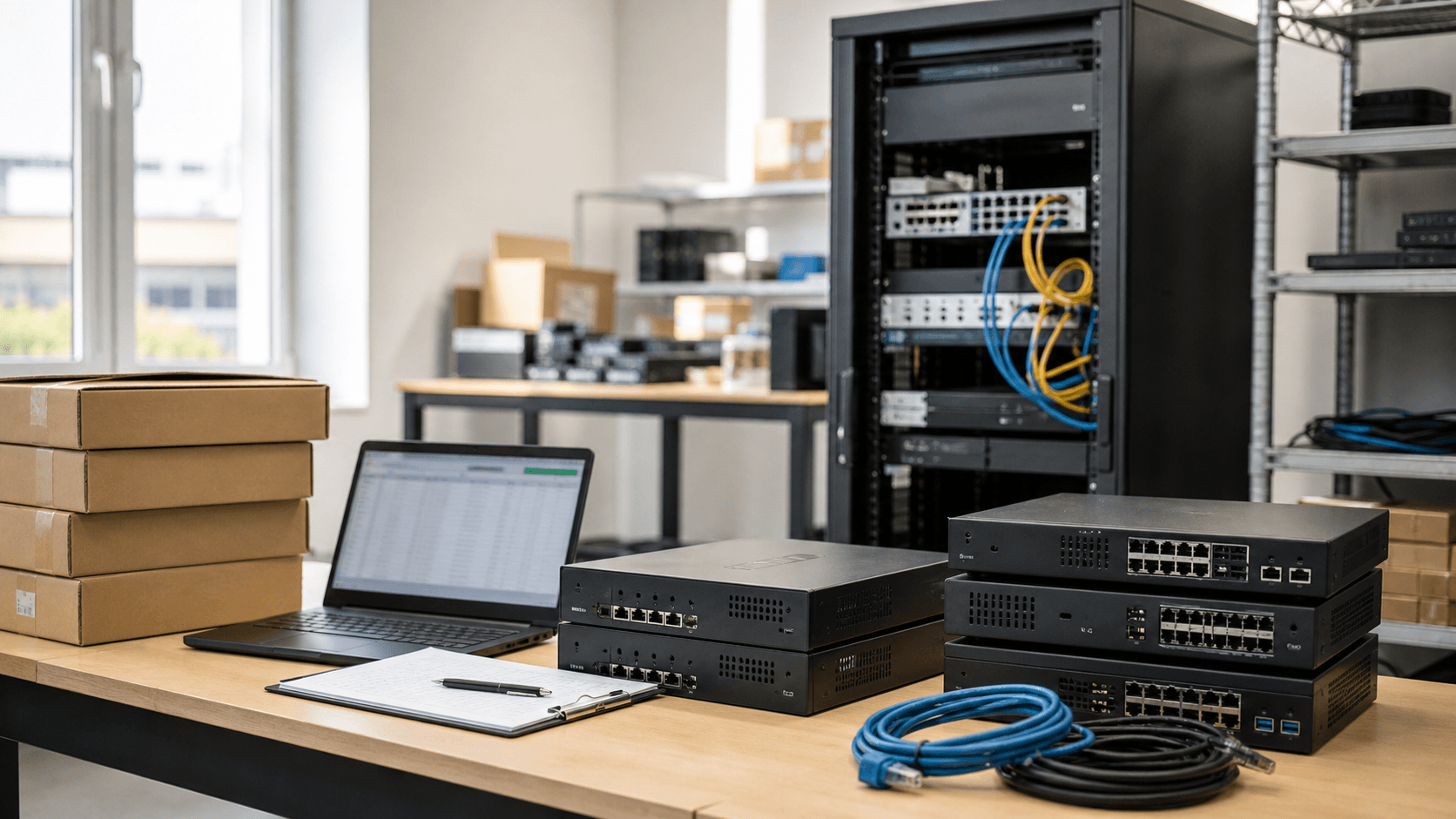
More traffic means more infrastructure. More inspection means more compute. More branch and edge deployments mean more appliances, networking gear, memory, storage, processors, logistics, and refresh cycles. The customer hears "platform." The finance team eventually sees equipment, depreciation, working capital, and supplier pricing.
This is the blind spot in the AI software trade.
Investors have been trained to separate AI winners into clean buckets:
- chipmakers sell the picks and shovels;
- hyperscalers build the factories;
- software companies collect high-margin subscription revenue on top.
That map is too clean.
The AI security layer is not just an app with a login screen. It is partly a distributed inspection network. If enterprises send more sensitive traffic through it, the vendor has to scale the machinery behind the promise. Some of that machinery is code. Some of it is metal.
Zscaler is not suddenly a hardware company. That would be the lazy take. The better read is that the highest-value security software is becoming more infrastructure-like.
That changes what "quality" means.
A high-quality AI-era software company will not merely have fast revenue growth and a sticky subscription base. It will need the operational discipline to absorb component cycles, price branch hardware without annoying customers, build capacity ahead of demand, and still defend the margin story that made investors buy the stock in the first place.
This is where the market's reaction makes sense. The quarter did not say Zscaler's AI story is fake. It said the story is more expensive to deliver than a slide deck implies.
There is a useful analogy in cloud computing. For years, software buyers loved the idea of variable usage until the bill arrived and finance teams started asking who owned the meter. AI security may create a similar moment, except the meter sits on both sides:
- customers pay for more protection as AI workflows spread;
- vendors pay for more infrastructure to inspect and enforce those workflows;
- investors decide whether the spread between those two numbers is still attractive.
That spread is the business.
The branch appliance price increase is a small clue. It suggests Zscaler knows it cannot absorb every input cost quietly. But pricing hardware-linked costs inside a software relationship is delicate. Push too hard and customers see a toll booth. Underprice it and shareholders discover that AI security demand can grow while cash conversion gets worse.
That is the tension worth watching across the whole cybersecurity group.
AI makes the security problem larger. It creates new workflows to monitor, new data boundaries to police, and new machine identities to govern. That should help companies with credible control points.
But AI also makes the cost base less abstract. The vendors that win may be the ones that can turn this infrastructure burden into pricing power instead of letting it become a silent tax on free cash flow.
The next cybersecurity earnings season should not be judged only by ARR growth or how many times management says "agentic." The sharper question is simpler: when AI pushes more traffic through the security layer, who gets to keep the economics?