Kroger's New Price War Starts in the Buying Office

The easiest way to read Kroger's latest move is as a familiar consumer story: households are stretched, Walmart is pressing the low-price button, and another retailer has decided it needs to cut prices too.
That is true, but it is not the interesting part.
The interesting part is where Kroger says the money will come from. This is not a classic panic discount cycle. It is a buying-office story. Kroger is trying to fund a price war upstream, through procurement, direct imports, cheaper fulfillment, and the quiet profit pools sitting next to the grocery aisle.
Reuters reported on May 21 that new CEO Greg Foran plans to cut prices on thousands of items, testing reductions before broad rollout. He framed it bluntly: the basket has to come down.
But if you go back to Kroger's March earnings release, management had already explained the mechanism. The company said 2026 guidance reflects its ability to invest more aggressively in value for customers while improving gross margins, funded by e-commerce reaching profitability, meaningful procurement efficiencies, and productivity gains across the business. It also said alternative profit businesses produced $1.5 billion in operating profit in 2025.
That combination matters more than the headline price cut.
Picture two rooms inside the same company.
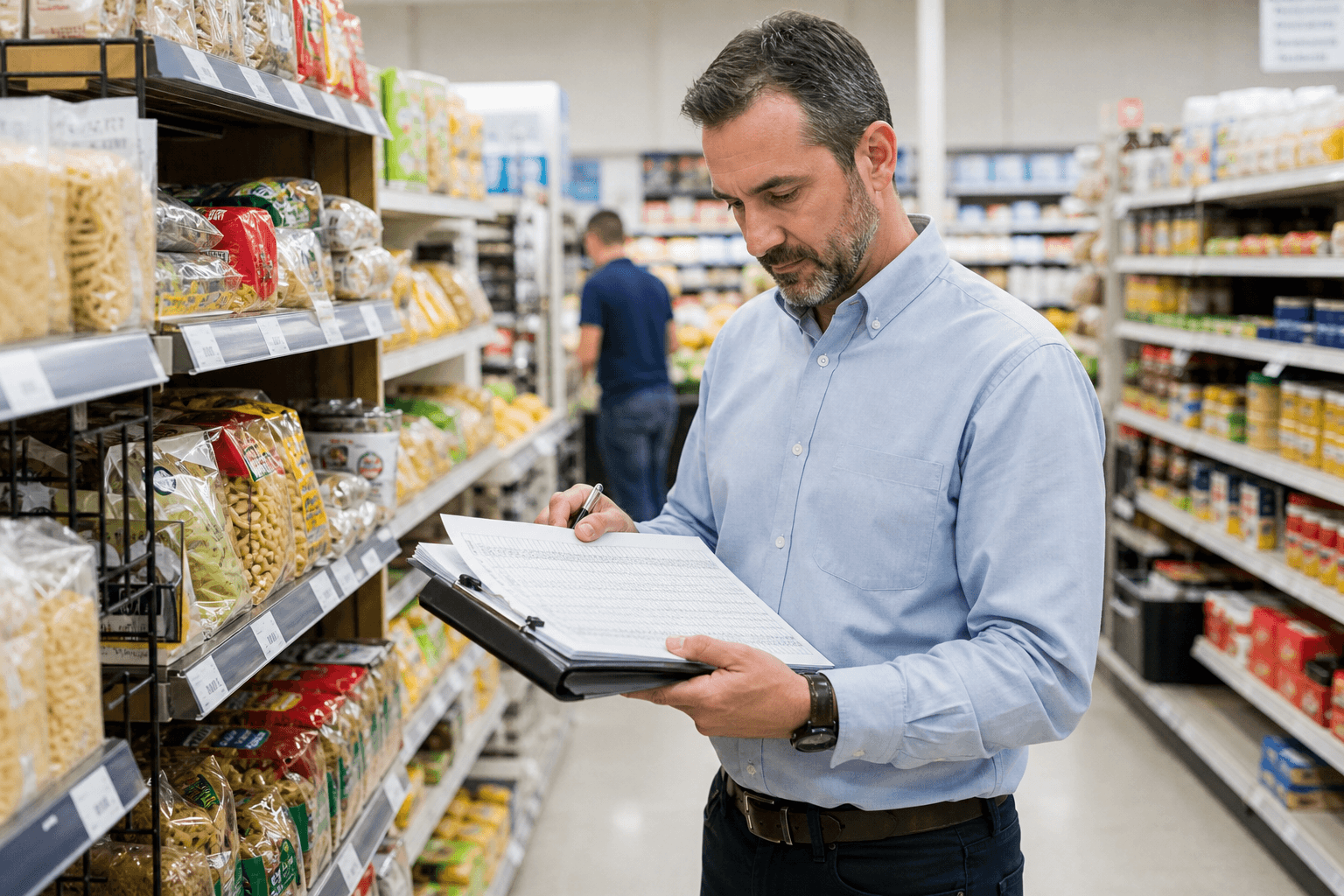
In one room, a shopper stands in front of a cereal shelf, noticing whether the weekly basket feels a little lighter or still annoyingly expensive.
In the other, a merchandising team is renegotiating supplier terms, pushing for more direct importing, rerouting more digital orders through stores, and asking whether the company's alternative profit pools can subsidize sharper shelf prices without blowing up earnings.
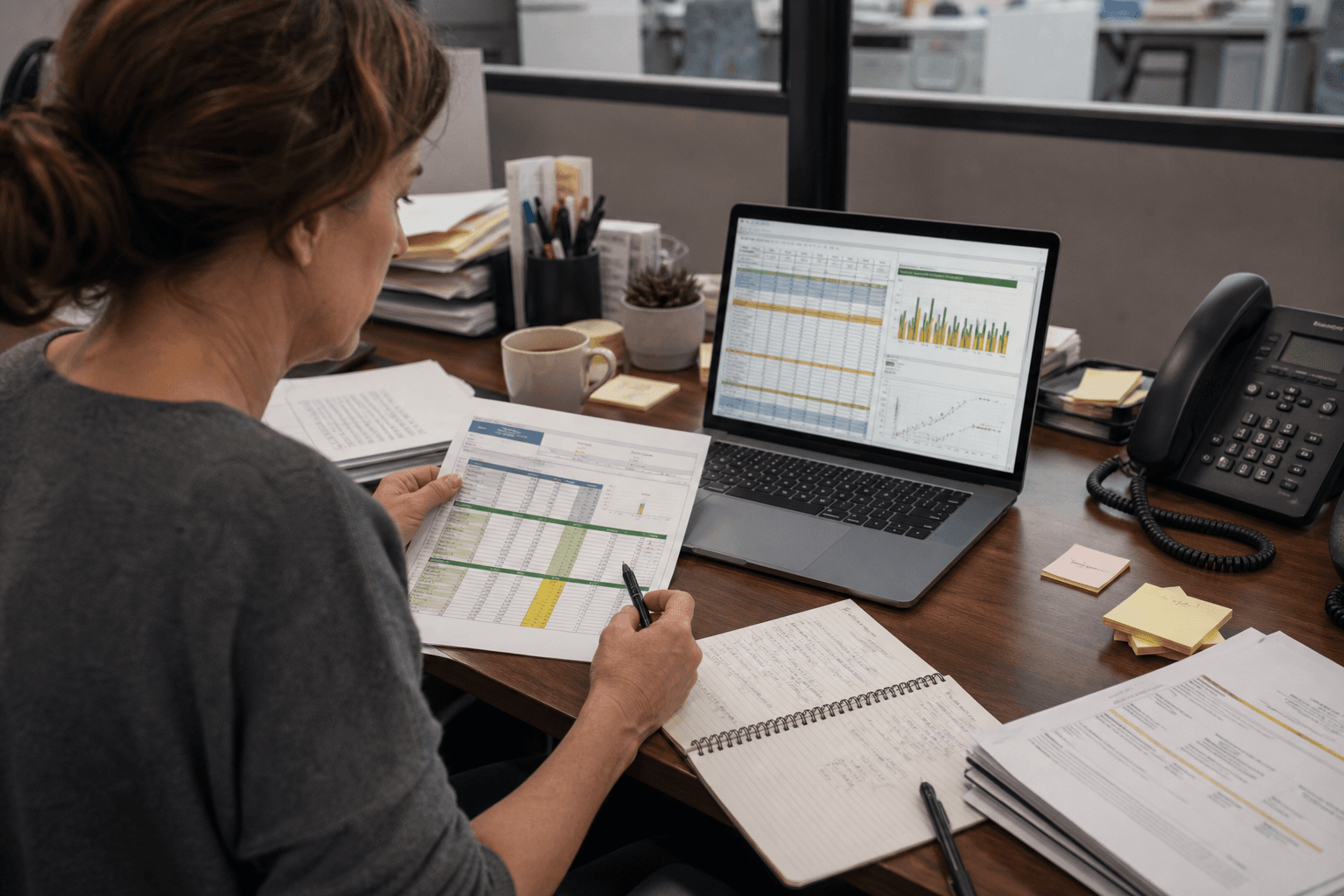
That second room is where this fight will be decided.
Grocery retail looks simple from the parking lot. Sell food. Keep prices close. Drive traffic. But the modern business is more layered than that. A large grocer is also a logistics network, a procurement machine, a retail media owner, a loyalty-data broker, a pharmacy operator, and an e-commerce fulfillment system that is still trying to get cheaper with scale.
So when Kroger says it wants to lower prices, investors should not hear only margin sacrifice. They should hear a test of whether the company can convert hidden operating leverage into visible basket relief fast enough to win back trips.
That is a harder game than clipping gross margin and hoping volume shows up.
If Foran is right, price is not just a markdown decision. It is the output of a cost architecture. Lower the cost to serve online orders. Buy more goods without intermediaries. Use scale more aggressively in vendor negotiations. Let alternative profit pools carry more of the profit load. Then use the savings to make the shelf look sharper before the customer defects to Walmart, Costco, or Aldi.
In other words, grocery is becoming more like payments and less like department stores.
The best operators are not simply selling products. They are monetizing the route the customer takes through the system. If that route throws off enough side profit, part of it can be handed back at the shelf to protect traffic. The customer sees a lower basket. The company is really defending the ecosystem.
There is a risk here, though, and it is the part the market is right to worry about.
When a retailer says it will cut prices on thousands of items, the instinct is to assume discipline later and margin pain now. That instinct exists for a reason. Procurement savings take time. E-commerce efficiency takes time. Supplier renegotiations take time. Customers, meanwhile, see prices immediately or they do not.
So Kroger is making an operational promise, not just a promotional one.
It is saying that the business has enough hidden slack to fund sharper prices without turning into a self-inflicted profit warning. That is a meaningful claim in a market where fuel costs, cautious shoppers, and aggressive rivals are all still pressuring the basket.
The broader read-through is bigger than Kroger.
American grocery is moving into a phase where competitive advantage may depend less on who has the prettiest loyalty app and more on who can manufacture room to be cheaper. That room comes from scale, sourcing discipline, fulfillment efficiency, and side businesses that do not look like grocery until they start paying for grocery.
If Kroger pulls this off, the lesson will not be that consumers finally got relief. It will be that the next price war is won before the shelf tag changes.
If it does not, then the basket was never really the product. The operating system was.