Nasdaq's 23-Hour Market Turns The Night Shift Into Infrastructure

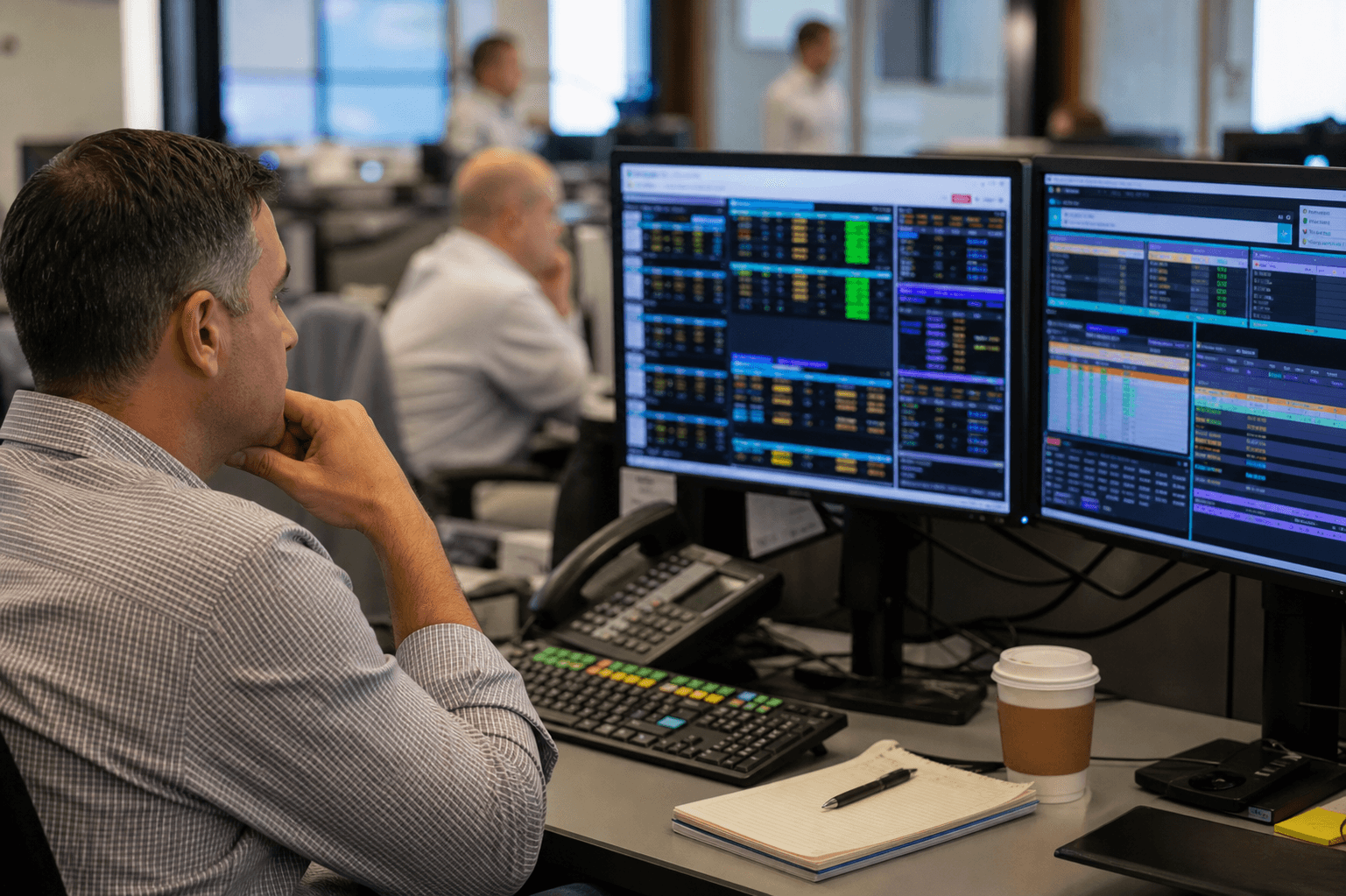
TL;DR: Nasdaq has SEC approval to stretch U.S. equity trading to 23 hours a day, five days a week. The easy take is that this gives overseas investors more access to U.S. stocks. The sharper business implication is that the exchange is turning the night shift into a paid infrastructure layer: trading, data, connectivity, risk controls, and operating coverage all become products that brokers and institutions cannot casually ignore.
##What Nasdaq's 23-Hour Trading Approval Actually Changes
The SEC order approving Nasdaq's amended proposal lets the exchange extend trading in NMS stocks from today's 16-hour weekday structure to 23 hours a day, five days a week.
That sounds like a convenience feature. It is not.
It is a market-structure change that moves part of the U.S. equity business from "after-hours access" into "always-on operating obligation." A broker can tell clients that overnight trading is optional. Its service desk, risk system, data vendor, and compliance team will hear something different.
#Why the night session is not just pre-market with a new name
Nasdaq's amended filing calls out a separate Night Session and says all NMS stocks may trade there, while some order types are restricted and protections such as clearly erroneous execution rules and limit order protection apply.
That detail matters. The exchange is not merely leaving the lights on. It is designing a new session with its own ports, rules, and operational assumptions.
##Why The Real Product Is Market Plumbing
Nasdaq already sells more than a matching engine. In its first-quarter 2026 results, the company reported $1.4 billion of net revenue and said Market Services generated record net revenues on record volumes and strong market share across U.S. cash equities and equity derivatives.
The overnight push fits that business model.
More hours can mean more trades, but the cleaner monetization is around the things that make trading possible:
- market data that updates when New York is asleep
- connectivity and ports that brokers must support
- surveillance and risk checks that cannot wait until 9:30 a.m.
- customer workflows for institutions in Asia, Europe, and U.S. night shifts
The hidden lesson is simple: a longer market day expands the billable surface area around the market.
##Where The Cost Shows Up First
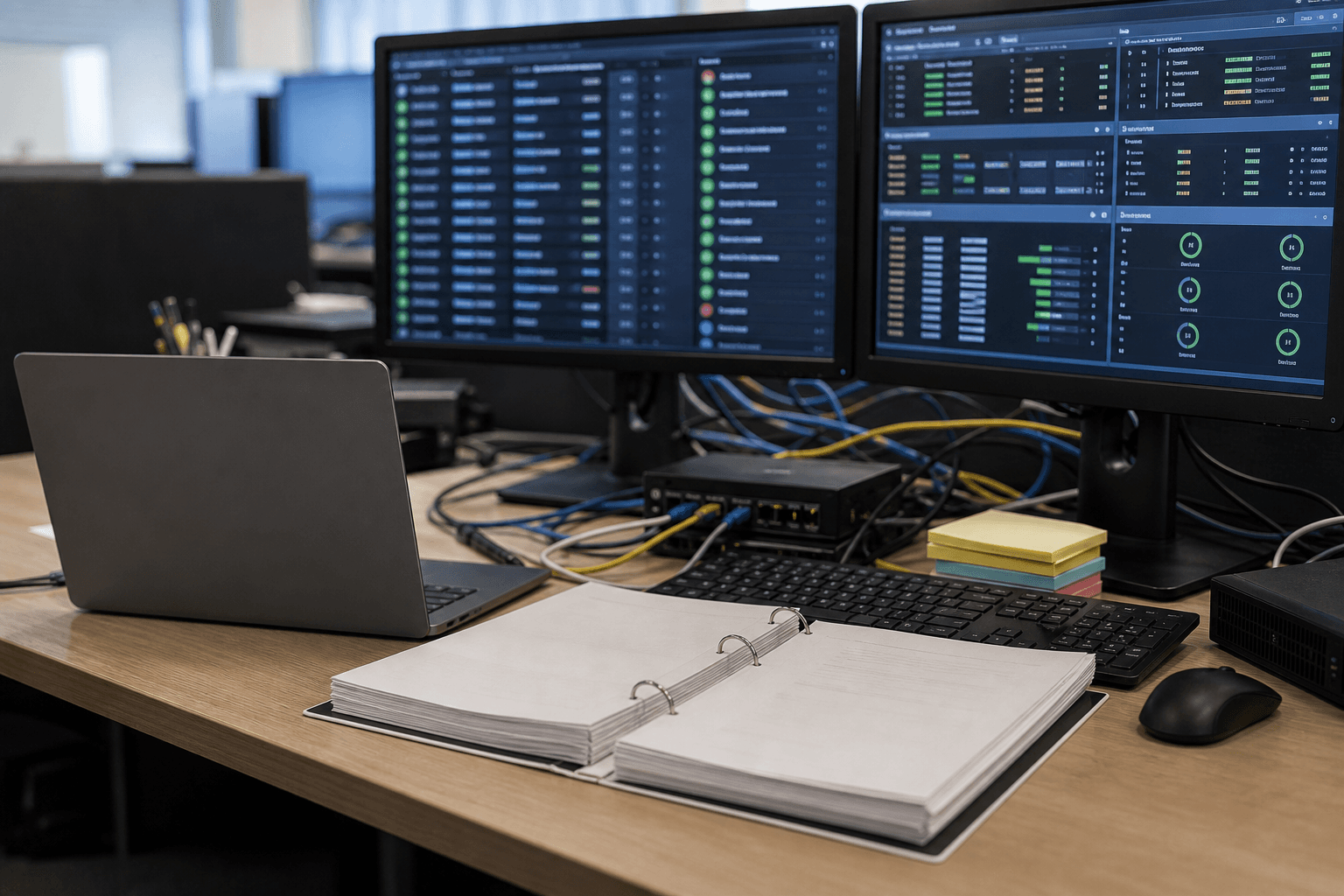
Picture a mid-sized brokerage operations desk at 11:45 p.m. Eastern time. A customer in Singapore wants to trade a U.S. megacap after a product announcement. The trade is small, but the support chain is not.
Someone has to make sure the symbol is eligible. Someone has to monitor order behavior. The market data feed has to be live. The risk system has to understand the session. The customer-facing app has to avoid showing a stale quote as a firm opportunity.
That is the part retail traders rarely see. Extended access is marketed as freedom. Inside the institution, it is a staffing, vendor, testing, and liability problem.
#The investor benefit is real, but uneven
Global investors want U.S. equity access when local news and macro shocks happen outside New York hours. That demand is not imaginary.
But better access does not automatically mean better liquidity. The first version of 23-hour trading may be most useful in the largest, most liquid names and most fragile in the tails, where a wider spread can quietly eat the value of convenience.
##Who Gains Pricing Power
The obvious winner is Nasdaq, because it gets another way to defend the relevance of the U.S. equity venue in a world where alternative trading systems and global platforms keep pushing toward overnight access.
The less obvious winners are the vendors that make the night session usable. Market-data providers, routing platforms, compliance vendors, and broker infrastructure teams become part of the product.
For listed companies, the tradeoff is more subtle. A stock can react to news more quickly, but investor-relations teams may also face a market that forms opinions before the next U.S. business morning. That changes the rhythm of disclosure, not just the clock on a trading screen.
##Why This Is A Better Business Story Than A Trading Story
The romantic version of 23-hour trading is that markets become more democratic because anyone can trade almost anytime.
The business version is less romantic and more useful: when the market extends its hours, every participant has to decide how much of its own operating model becomes 23-hour infrastructure.
Some firms will treat the night session as a checkbox. They will offer limited access, wide warnings, and minimal support. Others will use it as a client-acquisition tool for active global investors.
The winner may not be the firm with the flashiest trading app. It may be the firm that can make an overnight order feel boring.
##What To Watch Next
The key question is not whether the first night-session volumes look impressive. They may be lumpy, promotional, or concentrated in a handful of symbols.
The better questions are operational:
- Do brokers make overnight trading a default feature or a gated feature?
- Do spreads tighten enough to make access economically useful?
- Do issuers change the timing of announcements or investor communication?
- Do data and connectivity costs rise faster than trading revenue for smaller firms?
That is where Nasdaq's 23-hour market becomes more than a headline. It becomes a test of who can afford to keep U.S. equities open when the old market day is over.
#FAQ
What did the SEC approve for Nasdaq?
The SEC approved Nasdaq's amended rule change to extend trading in NMS stocks to 23 hours a day, five days a week, including a new Night Session with specific order and risk-control rules.
Why does 23-hour trading matter for investors?
It gives global and overnight investors more ways to react to U.S. equity news outside the traditional New York trading day. The catch is that access may be most useful in liquid stocks and less attractive where spreads are wide.
What is the main business implication?
The main business implication is that trading access pulls a larger infrastructure bill behind it. Exchanges, brokers, data vendors, and compliance systems all get pulled into a longer operating clock.