Cheap Retail Is Becoming a Freight Product

When Walmart says it can keep prices low, most people picture the shelf tag.
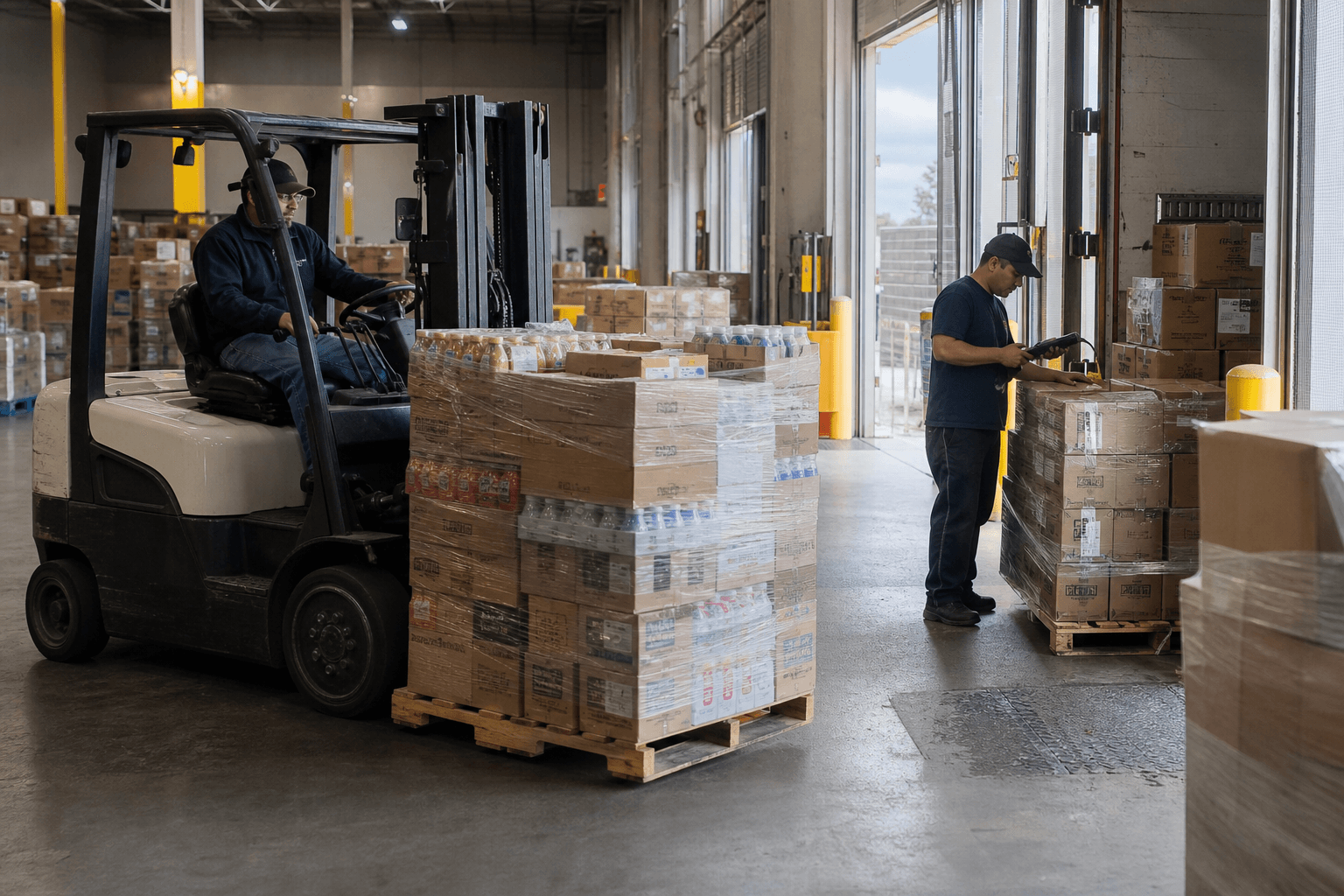
The more important scene is upstream from the shelf: a supplier ships into one location under a national purchase order, Walmart folds that freight into its own network, and inventory gets pushed across 42 regional distribution centers with less guesswork. In a week when U.S. consumer confidence slipped again, that is the part of the retail story worth watching.
The popular read on soft confidence data is that the American consumer is cracking. I think that is too blunt.
The better read is that the consumer is becoming more expensive to serve and more selective to win. That shifts advantage toward retailers that can turn logistics, memberships, advertising, and private-label scale into a price buffer.
Tuesday's Conference Board survey showed consumer confidence edged down to 93.1 in May, while worries about prices and fuel kept rising. That matters. But April retail sales still rose, and Walmart just reported another solid quarter with strong e-commerce growth, higher membership income, and advertising momentum.
Those facts can look contradictory if you still think retail is mainly a clean read on household demand.
They make more sense if you think of modern mass retail as a cost-routing business.
Walmart's new Prepaid Consolidation program is a good example. On the surface, it looks like a dry supply-chain tweak. Suppliers can ship under a single national PO into Walmart's network, Walmart consolidates freight, and inventory gets distributed across its regional nodes with more control over speed and shelf availability.
That sounds operational because it is operational. It is also strategic.
In a nervous consumer environment, the winner is not simply the merchant with the lowest sticker price on a given day. It is the operator that can remove enough friction and enough freight waste from the system that it can defend value without constantly begging margins for mercy.
This is where a lot of market commentary still lags reality. Investors talk about consumer weakness as if the whole question is whether people spend or stop spending. For large retailers, the more interesting question is where the pressure lands.
Right now, a lot of it is landing in three places:
- Inbound freight and replenishment precision
- Basket mix, especially the migration toward cheaper substitutes and store brands
- Profit streams outside the basket, like ads, memberships, and marketplace fees
That is why Walmart's quarter was more revealing than the headline comp number. Management said higher fuel costs created a $175 million hit, yet the company still produced strong sales growth and kept talking about a profit mix that is getting less dependent on pure merchandise margin.
That is not just resilience. It is insulation.
If you can absorb fuel shocks better than the next guy, route digital orders through stores, collect membership revenue, sell ads to brands desperate for conversion, and use a denser network to keep in-stocks cleaner, you do not need the consumer to feel great. You just need the consumer to keep trading decisions through your system.
That is a very different business from the old model of "sell cheap stuff, hope volume saves you."
It also helps explain why Walmart is redesigning private-label presentation and tightening its supply chain at the same time. Private label is not only a consumer value story. It is a control story. The more demand shifts toward products, data, and delivery lanes you can shape yourself, the less exposed you are to brand power and freight chaos imposed by others.
In other words, low-price retail is becoming a form of infrastructure.
That has consequences beyond Walmart. Target, Costco, Kroger, Amazon, club formats, dollar chains, and even big consumer packaged goods companies are all being pulled into the same logic. The fight is no longer just over who wins the shopping trip. It is over who owns the cheapest, most reliable path from supplier decision to household purchase.
That path is starting to look more like a utility network than a merchandising calendar.
And once retail starts behaving like infrastructure, valuation frameworks can change. Investors become more willing to reward operators that look boring on the shelf but powerful in the plumbing. Freight density, delivery economics, data capture, and replenishment consistency stop looking like back-office details and start looking like durable competitive assets.
That is especially true when confidence is weak but spending does not fully break. In that kind of economy, customers shop harder. They compare more. They delay some purchases, downgrade others, and punish availability failures fast.
That environment is brutal for retailers that still rely on blunt pricing and loose inventory flow.
It is much better for retailers that can say yes to the customer in several ways at once: the item is in stock, the substitute is acceptable, the membership promise works, the delivery is fast enough, and the margin is partly protected somewhere else in the model.
The market keeps searching for signs that the consumer is either healthy or broken. That binary is becoming less useful.
The more profitable question is which retailers have already rebuilt themselves for a consumer who feels anxious, shops tactically, and still expects convenience to feel cheap.
Walmart's new freight move suggests the answer may have less to do with sentiment than with who owns the pipes behind the price tag.
If that is right, the next retail premium will not go to the store with the nicest inflation narrative.
It will go to the one that makes cost control look like customer experience.