AI's Memory Grab Is Starting To Reprice Ordinary Hardware

TL;DR: The next AI cost shock may not show up first in a model bill. It may show up in the hardware everyone else still has to buy. Reuters reported on June 3 that Morgan Stanley sees memory-chip prices up roughly six-fold in the past year as AI demand pulls supply toward higher-margin data-center products. In a separate June 3 industry letter to Treasury and Commerce, trade groups for automakers, retailers, broadband providers, and medical-device makers warned that the imbalance could raise household prices and disrupt supply chains. That is the real shift: AI is no longer just buying chips. It is starting to reprioritize who gets them.
##What Changed In The Memory Story
The easy AI scene is a data center full of GPUs.
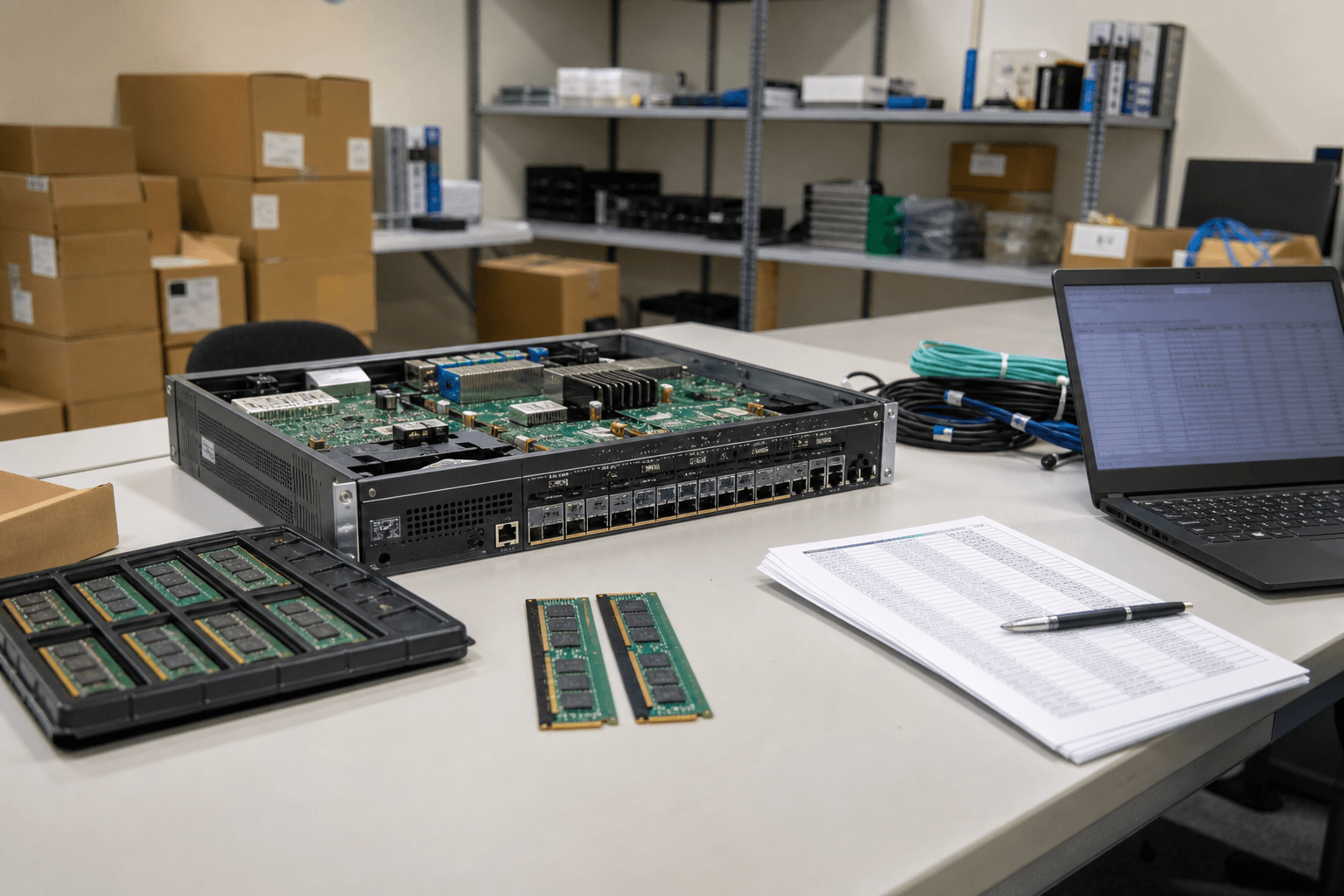
The more useful scene is a purchaser somewhere far from that data center, staring at a higher quote for router memory, a delayed medical-device component, or a laptop build that suddenly no longer fits the old margin math.
That is why the memory story matters now. The June 3 coalition letter says expanding AI data centers are consuming an enormous share of available memory-chip capacity and warns of "significant and sustained near-term price increases for American households" plus supply-chain disruption across autos, medical devices, telecom equipment, and federal procurement.
This is bigger than a semiconductor-cycle anecdote. It is an allocation story.
##Why AI Memory Demand Is Different
The chip market always has shortages. What is different this time is where the economic priority sits.
Micron said on June 1 that its AI memory and storage lineup now spans data center to edge, with key products in high-volume production. That is rational behavior. Suppliers go where pricing, margins, and strategic customers are strongest.
The issue is what gets deprioritized when that happens.
NCTA wrote in April that the three companies producing more than 90% of the world's memory chips are increasingly redirecting output toward DDR5 and high-bandwidth memory for AI data centers, while older but still widely used memory remains embedded in routers, modems, consumer electronics, vehicles, and industrial systems. The group said data centers could absorb as much as 70% of global memory supply in 2026.
That is the part most casual readers miss. AI is not merely creating new demand. It is changing the rank order of existing demand.
##Where The Pressure Shows Up First
You do not need a dramatic shortage headline to feel that change. You just need ordinary hardware businesses with little room to absorb it.
The June 3 letter laid out the spillovers plainly:
- Higher prices for everyday consumer electronics and information-technology products.
- Higher costs to build and upgrade internet and telecom infrastructure.
- Production risk for automobiles, medical devices, and other manufactured goods.
- Delays for federal contractors trying to meet procurement obligations.
That list is revealing because it is not about luxury gadgets. It is about the low-glamour equipment stack that keeps businesses and households functioning.
#The first losers are the buyers with less pricing power
A hyperscaler can sign a giant memory check because AI revenue, investor support, and strategic urgency justify it.
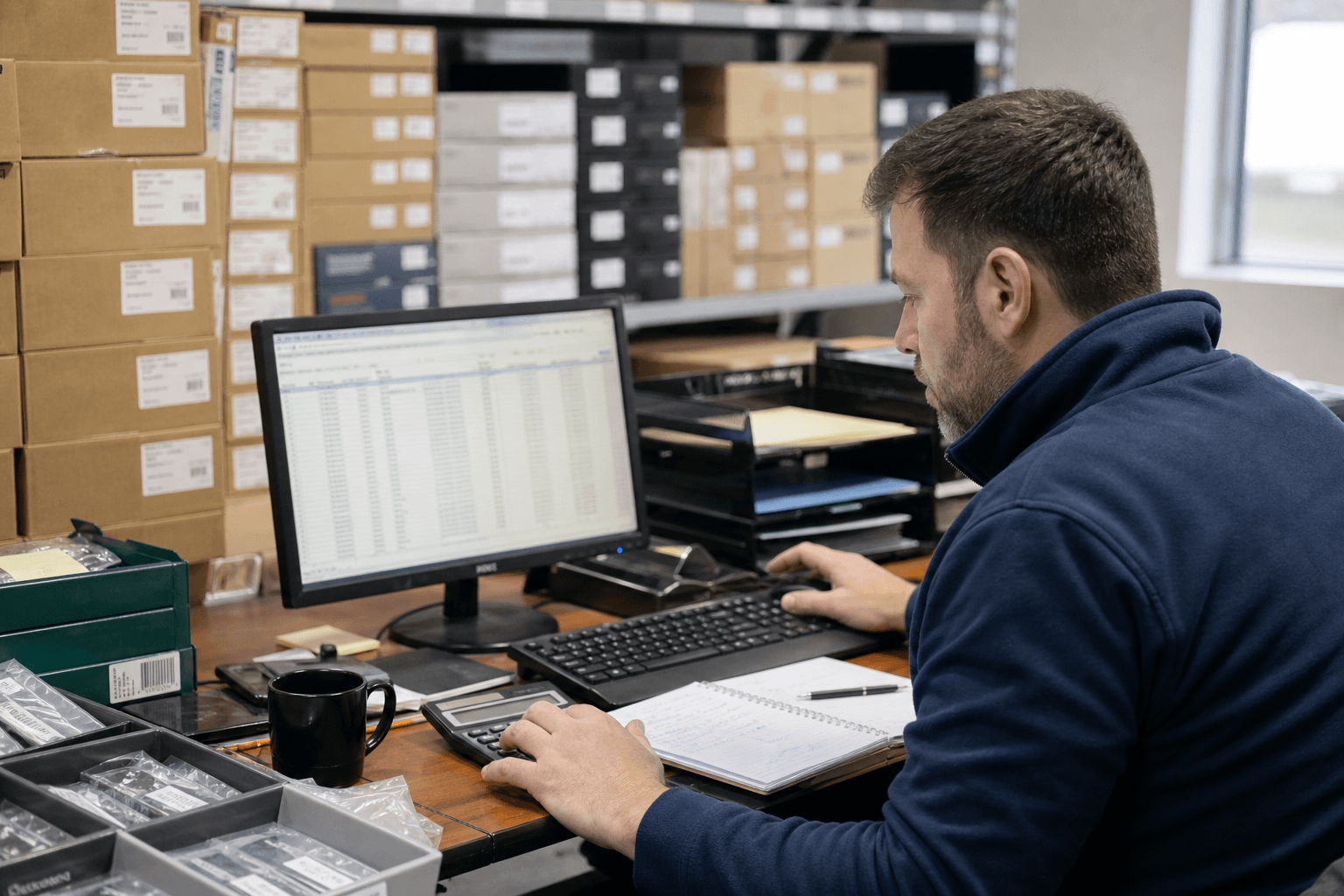
A router maker, laptop assembler, hospital-equipment supplier, or mid-market electronics brand usually cannot. Those businesses either pass through the increase, accept worse margins, redesign products, or wait longer.
None of those options is clean.
This is why I think the first real AI tax may be a procurement tax. Not a spectacular macro shock. Just a long trail of higher component quotes, narrower gross margins, postponed upgrades, and awkward pricing decisions spread across the rest of the economy.
##Why This Is A Business-Model Story, Not Just A Chip Story
The market still treats AI infrastructure as if the question is who sells the hottest component.
But the more durable question is who gets squeezed when the supply chain reorganizes around that component.
Broadband providers are a good example. NCTA said memory's share of total manufacturing cost for routers rose from roughly 3% to more than 20% in the past year. That is not a normal input fluctuation. That is a procurement model breaking in plain sight.
Once a component moves from a minor cost line to a major one, strategy changes:
- Buyers redesign products faster.
- Procurement teams hoard supply earlier.
- Vendors push price increases downstream more aggressively.
- Upgrade cycles stretch because replacement math looks worse.
That is how an AI boom becomes a business-model shift for companies that do not even sell AI.
##What Investors Should Actually Watch
The wrong frame is whether memory makers are winning. Of course they are, at least for now.
The better frame is whether downstream buyers can defend economics after the input stack changes.
Watch for three signals:
- More price increases or margin warnings from PC, networking, auto-electronics, and medical-device suppliers.
- More talk about redesign, alternative sourcing, or product qualification delays.
- More evidence that AI infrastructure spending is crowding out ordinary enterprise and household hardware refresh cycles.
If those signals spread, the AI trade will look less like a narrow capex winner's circle and more like a tax on the rest of tech hardware.
That is the twist. The AI buildout is not only creating new revenue pools. It is quietly repricing old ones.
##Why This Matters Beyond One Quarter
Shortages usually sound temporary. This one looks more structural because the incentive stack is structural.
If memory suppliers can earn more by steering capacity toward AI-oriented products, they will keep doing it until enough new supply arrives or demand normalizes. Micron's May 22 Virginia expansion announcement shows the industry is investing, but capacity expansion is slower than a pricing spike and slower than procurement calendars.
So the economic consequence probably arrives before the industrial fix does.
That is why this story belongs in finance and business, not just semiconductor coverage. The interesting question is no longer whether AI needs more memory. It clearly does.
The interesting question is who pays for that memory when everyone else still needs to ship ordinary products on ordinary timelines.
#FAQ
What is the main Gainbrief angle here?
The sharp point is that AI memory demand is becoming a procurement problem for the rest of the economy, not just a bullish semiconductor story. The cost shows up in margins, pricing, and hardware availability across non-AI sectors.
Why focus on memory instead of GPUs?
Because memory is embedded across a wider range of everyday products and infrastructure. When suppliers favor higher-margin AI memory products, the downstream squeeze spreads into routers, consumer devices, vehicles, and medical equipment.
Is this already showing up in consumer prices?
The full pass-through is uneven, but the warning signs are visible now. Reuters cited sharply higher memory prices, and the June 3 industry coalition letter explicitly warned of near-term household price increases and supply-chain disruption if the imbalance persists.