Enviri's Breakup Turns Industrial Cleanup Into a Contract Margin Test
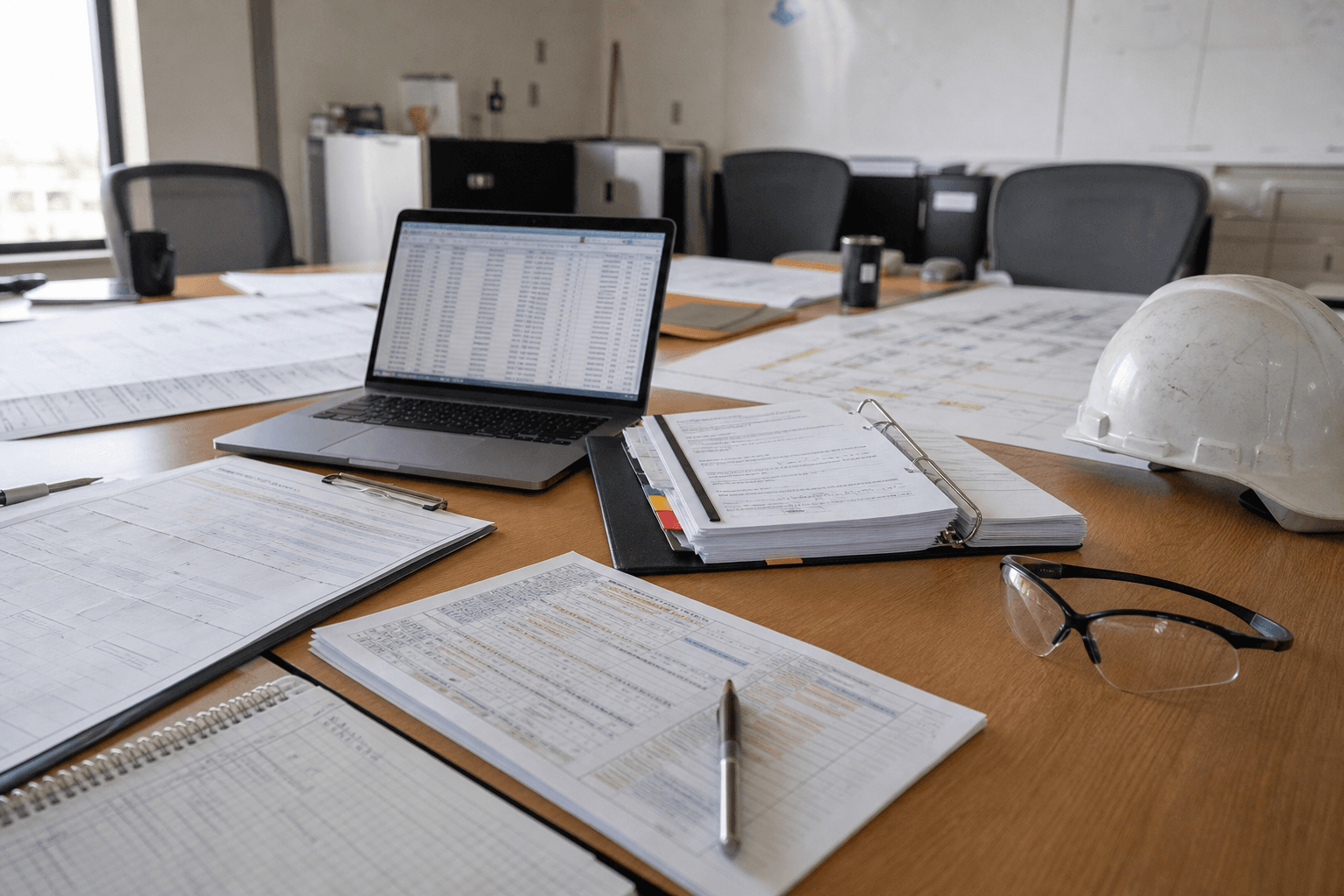
TL;DR: Enviri's planned June 1 sale of Clean Earth to Veolia and spin-off of Harsco Environmental and Rail gives NVRI shareholders a clean event: cash plus stock in a smaller industrial-services company. The sharper point is that New Enviri will no longer be judged as a messy conglomerate story. It will be judged on contract margins, rail execution, steel-cycle exposure, and whether debt reduction actually buys operating patience.
##What Enviri Is Separating
Enviri said it expected to close the Clean Earth sale to Veolia and complete the New Enviri spin-off on June 1, 2026. Shareholders are set to receive $15.00 in cash per old Enviri share, plus stock in Enviri II Corporation, the standalone company holding Harsco Environmental and Harsco Rail.
The transaction traces back to Enviri's November agreement to sell Clean Earth to Veolia for $3.04 billion in aggregate cash consideration. That is the easy headline.
The less tidy question is what kind of public company is left after the cash leaves the story.
New Enviri is not a simple hazardous-waste roll-up. It is closer to an industrial-services contractor wrapped around steel mills, rail maintenance, engineered equipment, environmental services, and customer projects that can be operationally dull until they are suddenly expensive.
##Why The Cash Payout Is Not The Whole Story
The $15 cash payment is useful. It gives investors an immediate number and gives Enviri room to reduce debt and reset the balance sheet.
But cash consideration can also make a breakup look cleaner than it feels. Once Clean Earth is inside Veolia, shareholders are left with a smaller company whose value depends less on deal math and more on whether everyday contract work produces acceptable margins.
Veolia likes the Clean Earth asset because it expands the buyer's U.S. hazardous-waste position; Veolia said the acquisition would make it the number two player in U.S. hazardous waste. That tells you something important: Clean Earth was the business with a clearer strategic-buyer home.
New Enviri is the orphaned test. Not bad. Just less forgiving.
#How a breakup changes the investor's job
Before the separation, investors could argue about a portfolio discount, a hidden Clean Earth value, and whether a strategic buyer would pay up.
After the separation, that debate gets smaller and harder.
The investor's job becomes:
- Watch whether Harsco Environmental keeps pricing power with steel and metals customers.
- Watch whether Harsco Rail turns project delivery into cash instead of working-capital drag.
- Watch whether debt reduction lowers financial pressure without hiding weak contract economics.
- Watch whether management can explain margins in plain operating language, not only adjusted EBITDA language.
That is a better test, but it is not an easier one.
##Where The Margin Risk Actually Lives
Picture the post-spin company from an operations desk, not a trading screen.
A scheduler is looking at rail-service equipment, customer sites, labor availability, parts timing, safety paperwork, and a contract that was priced before the latest cost change. A finance manager is asking whether the job is still profitable. An operations manager is asking whether missing the schedule will make the next bid harder to win.
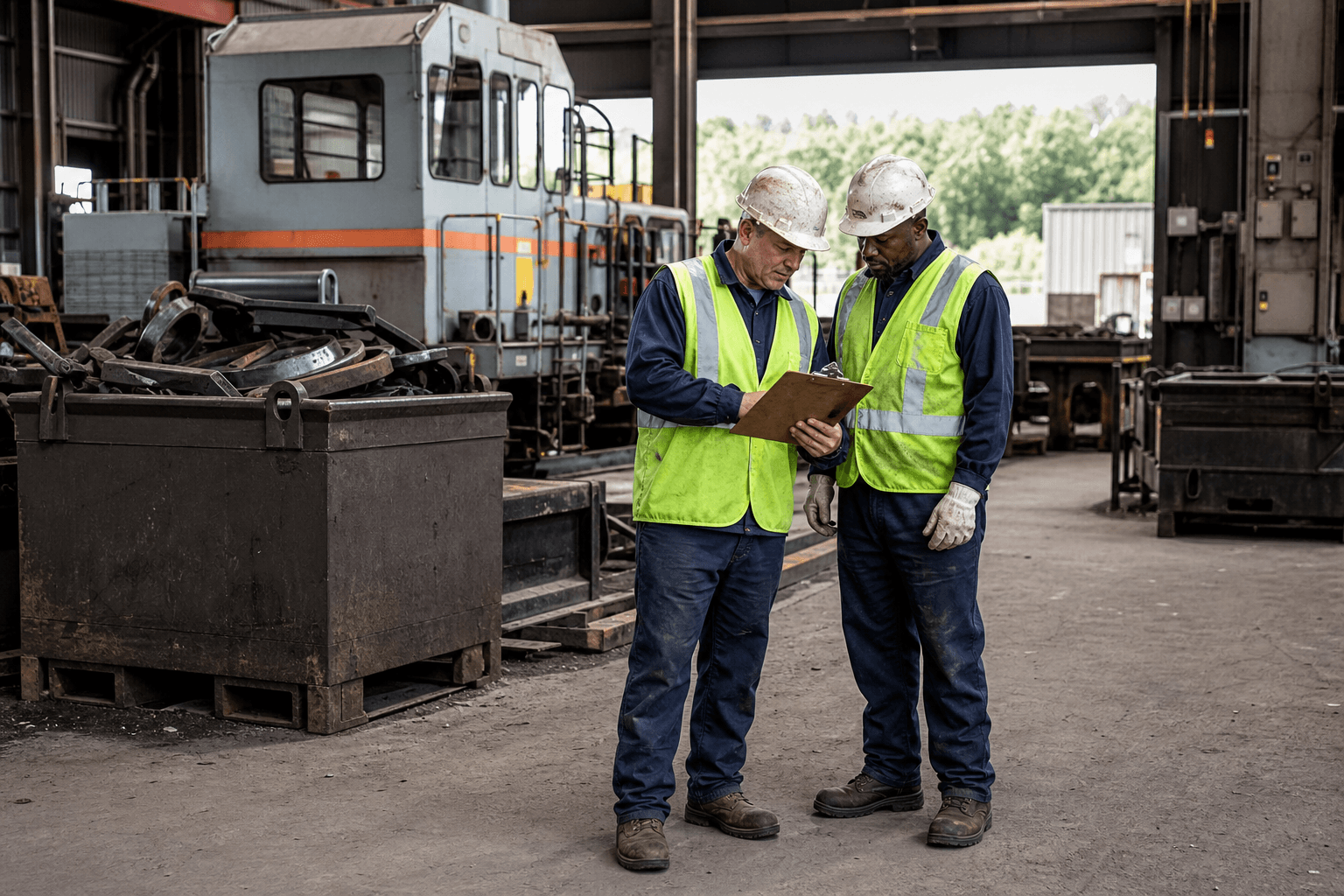
That is where this story lives. Not in the merger-consideration table. In the gap between a promised industrial service and the actual cost of delivering it.
Enviri's own transaction materials flag the kinds of risks that matter for New Enviri: customer concentration, fixed-price and long-term customer contracts, complex engineered equipment, contractor disputes, commodity and fuel costs, labor costs, and steel and aluminum cycles. Those are not abstract boilerplate risks. They are margin lines waiting to move.
#Why fixed-price work deserves extra attention
Fixed-price contracts can be attractive when a company knows the job better than the customer and can control the workflow. They can be brutal when parts, labor, fuel, subcontractors, or project timing shift against the original bid.
That matters because New Enviri's public-market story may start with a cleaner balance sheet, but its valuation will likely settle around a simpler question: can the company price industrial complexity properly?
If the answer is yes, the spin-off could be a focused cash-flow story. If the answer is no, the balance-sheet reset just buys time before investors start asking why margins are not following the strategic narrative.
##Who Benefits From The New Shape
Veolia gets the cleaner strategic fit. Clean Earth adds U.S. hazardous-waste density to a buyer already trying to scale environmental services globally.
Old Enviri shareholders get immediate cash and a remaining stake in a smaller industrial company. That creates optionality, but it also removes the comfortable argument that one misunderstood division is masking the rest.
Management gets a cleaner scoreboard. That is both a gift and a trap.
A focused company can tell a better story to customers, lenders, and investors. It can allocate capital around fewer businesses. It can make operating accountability less slippery.
But a focused company also has fewer places to hide. If rail execution misses, if steel customers squeeze pricing, or if working capital eats cash, investors will not need a complex sum-of-the-parts model to see it.
##What Investors Should Measure Next
The first few trading days may still treat Enviri like an event stock. That is normal. There is cash, a new security, and mechanical portfolio sorting.
The better read will come later, when New Enviri starts reporting as a standalone company and the market gets cleaner numbers on margins, leverage, backlog, project timing, cash conversion, and customer concentration.
The unique thing about this breakup is that it does not turn a complicated company into an obvious compounder. It turns a complicated company into a more measurable contractor.
That is progress. It is also a warning label.
The spin-off makes Enviri easier to analyze. It does not make the work easier to do.
#FAQ
What is Enviri selling to Veolia?
Enviri is selling Clean Earth, its hazardous-waste and environmental-services business, to Veolia for $3.04 billion in aggregate cash consideration.
What do Enviri shareholders receive?
Under the expected June 1 transaction structure, Enviri shareholders receive $15.00 in cash per old Enviri share and stock in New Enviri, the company holding Harsco Environmental and Harsco Rail.
Why does this matter for investors?
The breakup removes the old conglomerate-value debate and leaves a clearer operating test. New Enviri must show that industrial contracts, rail projects, and metals-services work can produce durable margins after the balance sheet reset.