Luxury's U.S. AI Bet Is Showing Up In Store Maps

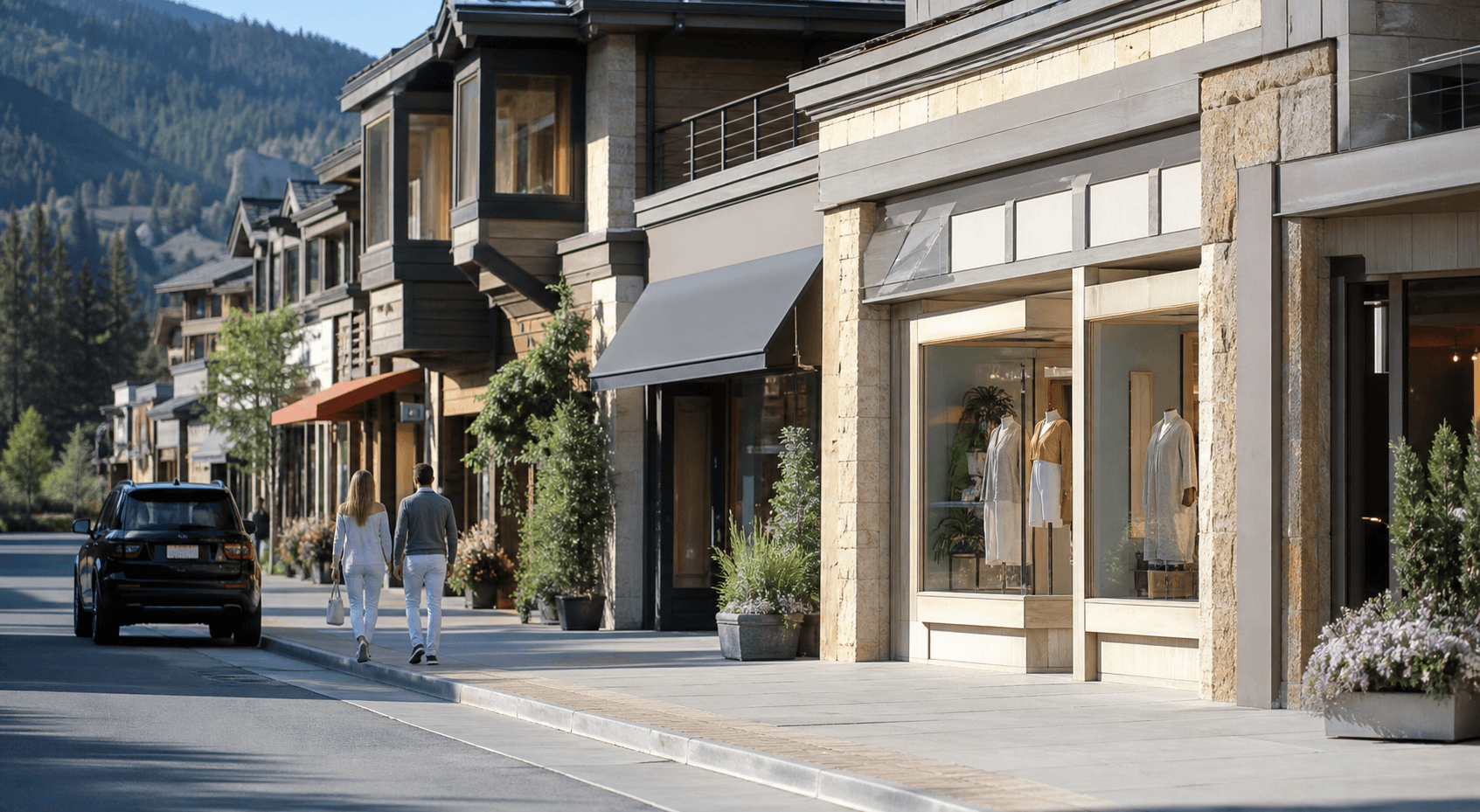
TL;DR: Europe's luxury groups are not just chasing rich Americans. They are chasing the new geography of American wealth, where the AI boom, resilient equities, and domestic migration have turned places like Aspen, Dallas, Nashville, Scottsdale, and Brooklyn into more relevant growth nodes than another generic China-recovery forecast. The useful business read is that the AI trade is already leaking out of semiconductors and into physical retail leases.
##The AI Boom Is Quietly Rewriting The Luxury Store Map
The easy way to read Reuters' June 2 luxury story is that rich Americans are still shopping while everyone else looks shaky.
That is true, but it is too shallow.
The better read is that luxury brands are redrawing their U.S. map because AI wealth, resilient U.S. equities, and weak growth elsewhere are changing where the safest customer pools live.
This is not mainly about handbags.
It is about where global consumer companies believe high-margin demand will still show up in person.
##Why This Matters More Than A Fashion Story
Luxury groups usually sell a fantasy of timeless demand. Their store strategy is less romantic.
It is a capital-allocation decision with rent, staffing, inventory, security, tourism flows, and local tax geography attached.
Reuters reports that North America accounted for about 27% of global luxury store openings in 2025, ahead of Europe at 26% and China at 19%, even as total new openings fell to the lowest level since 2020.
That combination is the real signal.
Openings are getting scarcer overall, which means each one matters more. If a brand still chooses to add stores, it is revealing where management thinks the next reliable full-price customer lives.
#The scene is no longer only Manhattan
Moncler opened in Aspen in January and says most of its new stores this year will be in the U.S., while Hermès has already pushed into Nashville and Scottsdale and plans openings near Chicago and in Brooklyn, according to Reuters' June 2 reporting.
That is not random brand theater.
It is a map of where mobile, high-income households have gone, and where companies think premium spending can survive even when the broader consumer mood is weak.
##What Luxury Executives Are Really Buying
A luxury lease is a bet on traffic quality, not just traffic volume.
If you open on Fifth Avenue, in Aspen, or in a wealthy Sun Belt market, you are not simply buying square footage. You are buying exposure to a customer base with a better chance of paying full price, buying repeatedly, and shrugging off a bad headline or a noisy rate debate.
That matters more now because the rest of the global luxury machine looks less dependable.
China is still dealing with deflation and the long aftershock of its property slump, while tourism-heavy regions have been hit by the Iran war and weaker travel demand, Reuters notes. If those pillars wobble, the U.S. stops being a nice diversification market and starts becoming the operating cushion.
#The supporting earnings already point the same way
Richemont said Americas sales rose 18% in the quarter from January to March, continuing strong momentum in the region.
Tapestry reported pro forma constant-currency growth of 20% in North America in its fiscal 2026 third quarter.
Those numbers matter because they say this is not only a European luxury survival move. American operators are also seeing that the high-end U.S. customer still spends when the rest of the demand picture looks messy.

##The Overlooked Angle Is Wealth Migration, Not Just Wealth Creation
Most people hear "AI rich" and picture a founder buying another watch in Palo Alto.
That misses the more important business consequence.
The AI boom is amplifying a broader U.S. wealth sorting process that was already underway: people, capital, and premium consumption are concentrating in the neighborhoods and metro areas that combine equity wealth, lower taxes, migration inflows, and a feeling of domestic stability.
That is why this story shows up in Aspen and Scottsdale, not only on a conference stage in San Francisco.
Luxury management teams are not just asking, "Are Americans richer?"
They are asking:
- Which U.S. ZIP codes now deserve flagship-level attention?
- Where can a store hold full-price productivity without depending on tourist rebound?
- Which locations attract both old money and newly liquid tech wealth?
- Where can one store do the work that three weaker stores used to do?
That last question is the killer one.
When global openings are falling, the winners are not the brands that open everywhere. They are the brands that can concentrate on fewer, richer, more dependable nodes.
##What Investors Miss When They Treat This As A Consumer Anecdote
The first-order market read is obvious: rich customers are healthier than the middle.
The second-order read is better: physical retail networks are becoming a live dashboard for where corporate management sees durable private demand.
If store openings keep tilting toward U.S. wealth pockets while China stays uneven, then "global luxury recovery" may actually mean "American concentration plus selective Asia."
That is a narrower and less forgiving thesis than many investors still want to admit.
It also creates a subtle divide inside consumer discretionary.
Brands exposed to upper-income U.S. households, direct retail control, and carefully chosen locations may look more resilient than brands still waiting for a broad tourist rebound or a clean China snapback. In that world, retail geography becomes a margin tool.
##The Twist
People keep saying the AI boom is lifting chips, data centers, and cloud spending.
It is.
But it is also changing who gets the next luxury lease, where the next flagship opens, and which American neighborhoods become important enough for global brands to treat as core infrastructure.
That is the part worth watching.
When a market rally is strong enough to reshape a store map, it has already escaped the stock market.
#FAQ
Why is this a business story and not just a fashion story?
Because store openings are capital-allocation decisions. They reveal where brands expect reliable full-price demand, strong local wealth, and better returns on rent, labor, and inventory.
What does AI have to do with luxury retail?
Reuters reported that luxury groups are targeting wealthy U.S. shoppers boosted by the AI and tech boom. The broader implication is that AI-driven wealth creation is helping determine which U.S. markets deserve premium retail investment.
What is the main investor takeaway?
The useful signal is not simply that rich consumers are still spending. It is that global consumer brands are reallocating physical footprints toward a narrower set of U.S. wealth centers, which says more about where management trusts demand than another headline about confidence surveys.