Samsung Turns AI Memory Demand Into a Testing-Capacity Trade

Samsung's reported $1.5 billion chip-testing plant in Vietnam is not just another AI supply-chain headline. It is a reminder that the most profitable chip cycle in the world can still be slowed by the unglamorous step after fabrication: testing, sorting, and proving that memory chips are ready to ship.
That matters because investors keep treating AI infrastructure like a contest of fabs, GPUs, and data centers. Samsung's Vietnam proposal says the real bottleneck is broader. In a memory shortage, the company that controls the boring middle of the supply chain can turn unfinished output into billable inventory faster than rivals.
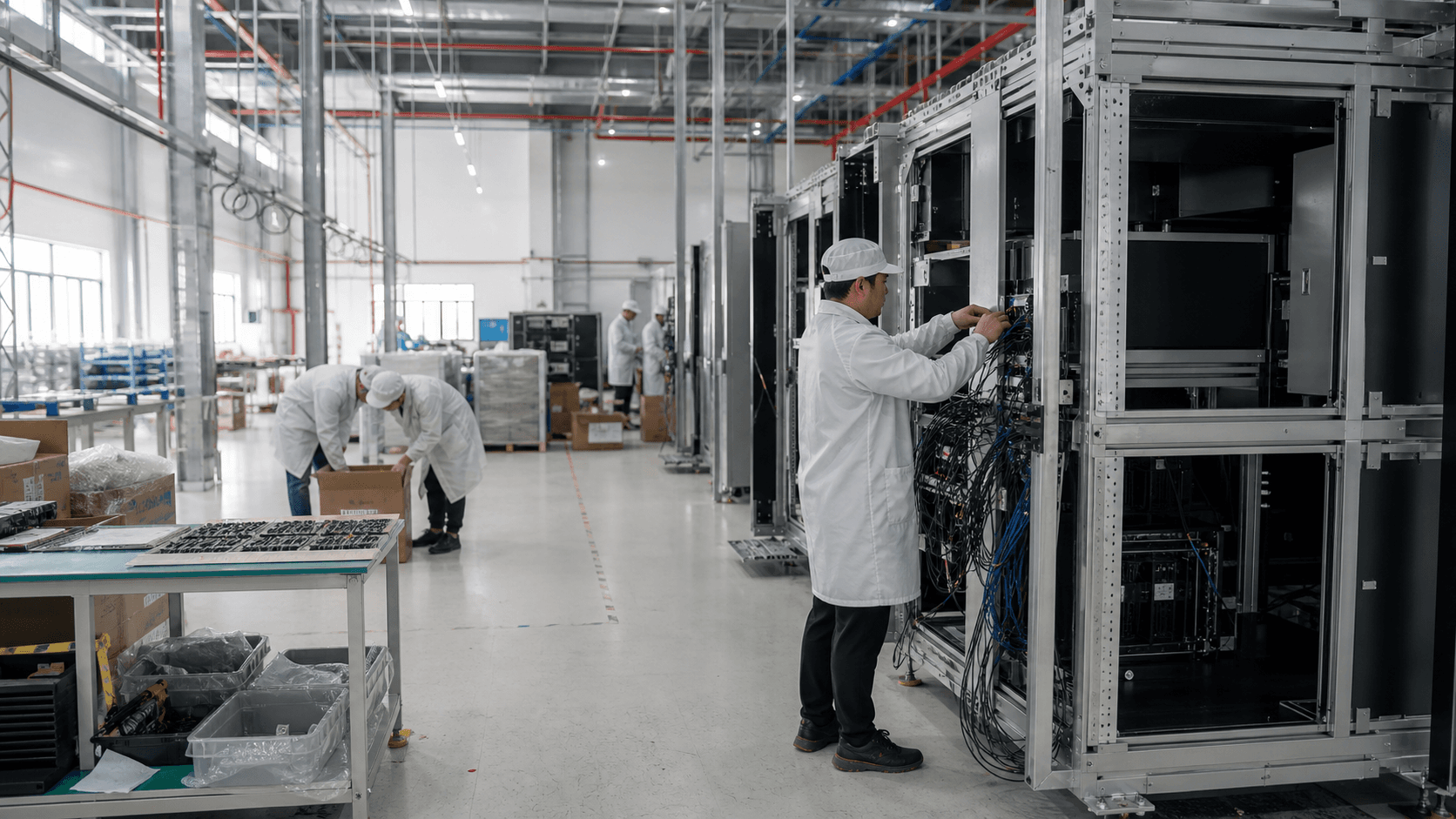
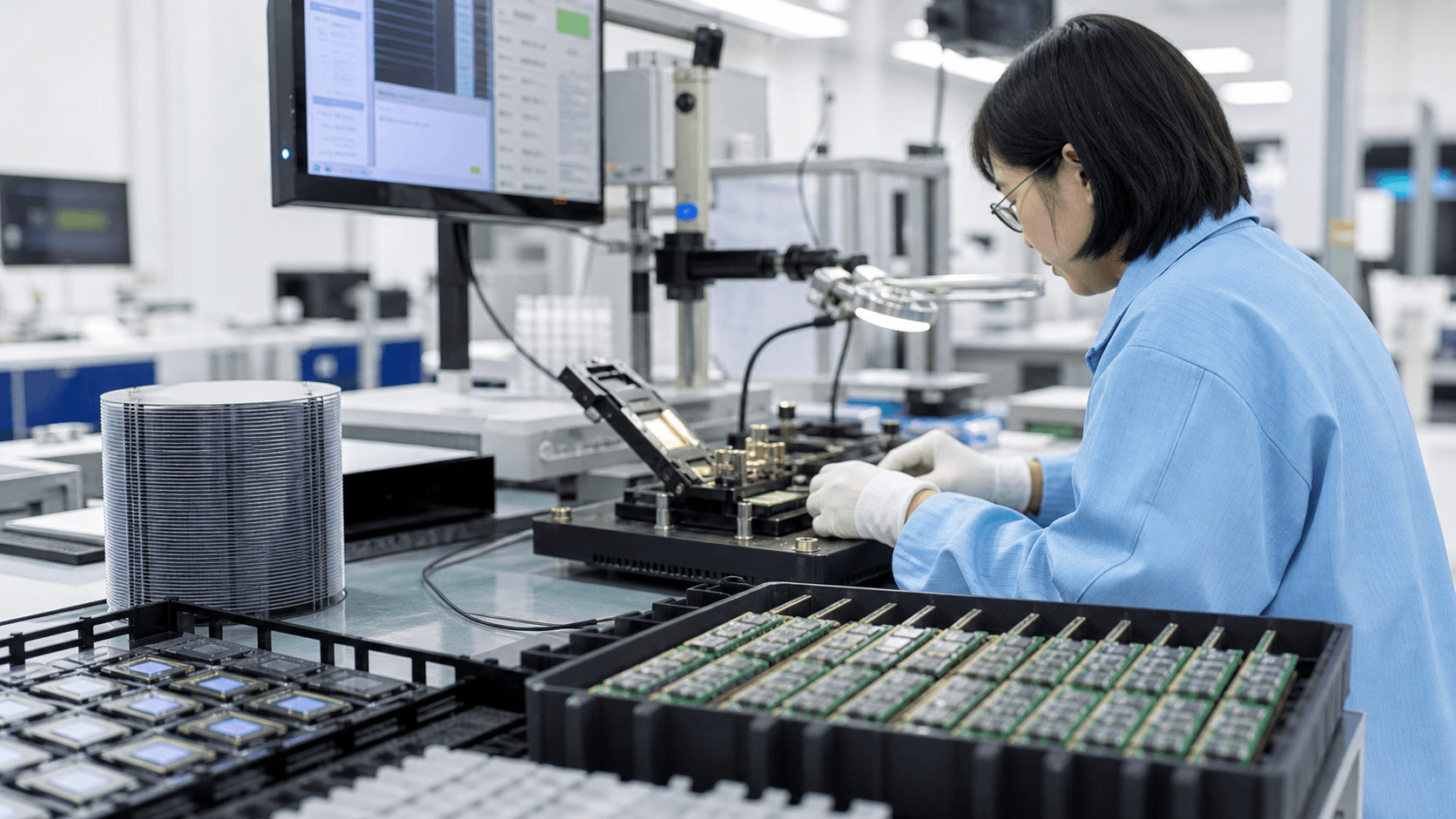
Picture a clean industrial floor 60 kilometers north of Hanoi. Not a futuristic AI lab. Racks are being wired, anti-static benches are being installed, crates are still half-open, and the value of the whole room depends on whether thousands of small components can be tested quickly enough to leave the building as usable memory.
Reuters reported on May 27 that Samsung Electronics plans to invest about 39 trillion dong, or $1.5 billion, in Vietnam for its first semiconductor testing factory there. The plant is meant to help ease a global memory-chip shortage driven by AI demand.
The easy take is that Samsung is adding capacity because AI customers want more chips. True, but too shallow.
The sharper read is that AI demand is forcing memory makers to finance the less famous parts of the chip chain. If a company can make wafers but cannot test and qualify enough chips, the factory output is not yet revenue. It is work in process with a waiting line attached.
That changes how to look at semiconductor capital spending.
The premium does not only sit in the most advanced manufacturing node. It also sits in every step that shortens the gap between production and shipment:
- testing capacity that clears finished memory faster
- packaging and assembly capacity near electronics hubs
- local labor and logistics that reduce handoff delays
- supplier relationships that keep AI customers from reserving too far ahead
This is why Vietnam is interesting. Vietnam has already become a major electronics manufacturing base, and the country hosts chip assembly, packaging, and testing operations from companies including Intel, Amkor Technology, and Hana Micron. Samsung already has a deep manufacturing footprint there through smartphones and electronics.
A testing plant is a quieter move than a frontier fab, but it may be the more practical one. It plugs into an existing operating ecosystem. It adds a higher-value semiconductor step without asking Vietnam to instantly become Taiwan or South Korea.
For Samsung, the financial logic is also defensive.
Memory pricing power is wonderful until customers realize they are paying not only for scarcity, but for delivery uncertainty. If cloud companies, device makers, or server suppliers cannot get predictable memory supply, they will reserve earlier, double-order where possible, and push suppliers for stronger allocation guarantees.
That behavior can make a shortage look better in the short term and messier later. It pulls demand forward. It rewards whoever can say, with evidence, "we can actually ship."
The Vietnam investment is therefore a credibility purchase. Samsung is spending money on the part of the chain that converts AI panic into operational trust.
There is a second-order point here for U.S. investors watching Nvidia, Micron, Broadcom, cloud capex, and the broader AI trade. The AI economy is starting to expose every weak joint in the hardware system. Power was one. Data-center construction was another. Memory testing is now on the list.
When demand is normal, those joints feel like cost centers. When demand is extreme, they become toll booths.
This is the business-model shift hiding inside the Samsung story. The winners in the AI infrastructure buildout will not simply be the companies with the hottest chip design or the biggest fab budget. They will be the companies that can turn capital spending into reliable throughput at each handoff.
That is less romantic than the market's favorite AI story. It is also more durable.
An AI server buyer does not care whether a bottleneck sounds exciting. The buyer cares whether a memory module arrives, passes qualification, and can be installed into a rack that starts earning revenue.
That is why a test floor in Vietnam deserves investor attention. It is not the center of the AI boom. It is one of the places where the boom becomes real inventory.
The question is whether the market keeps pricing AI like a software story, while the money keeps moving into rooms full of benches, sockets, trays, and people checking whether the chips actually work.