Panasonic's Kansas Battery Plan Puts AI Capex Inside The Power Rack

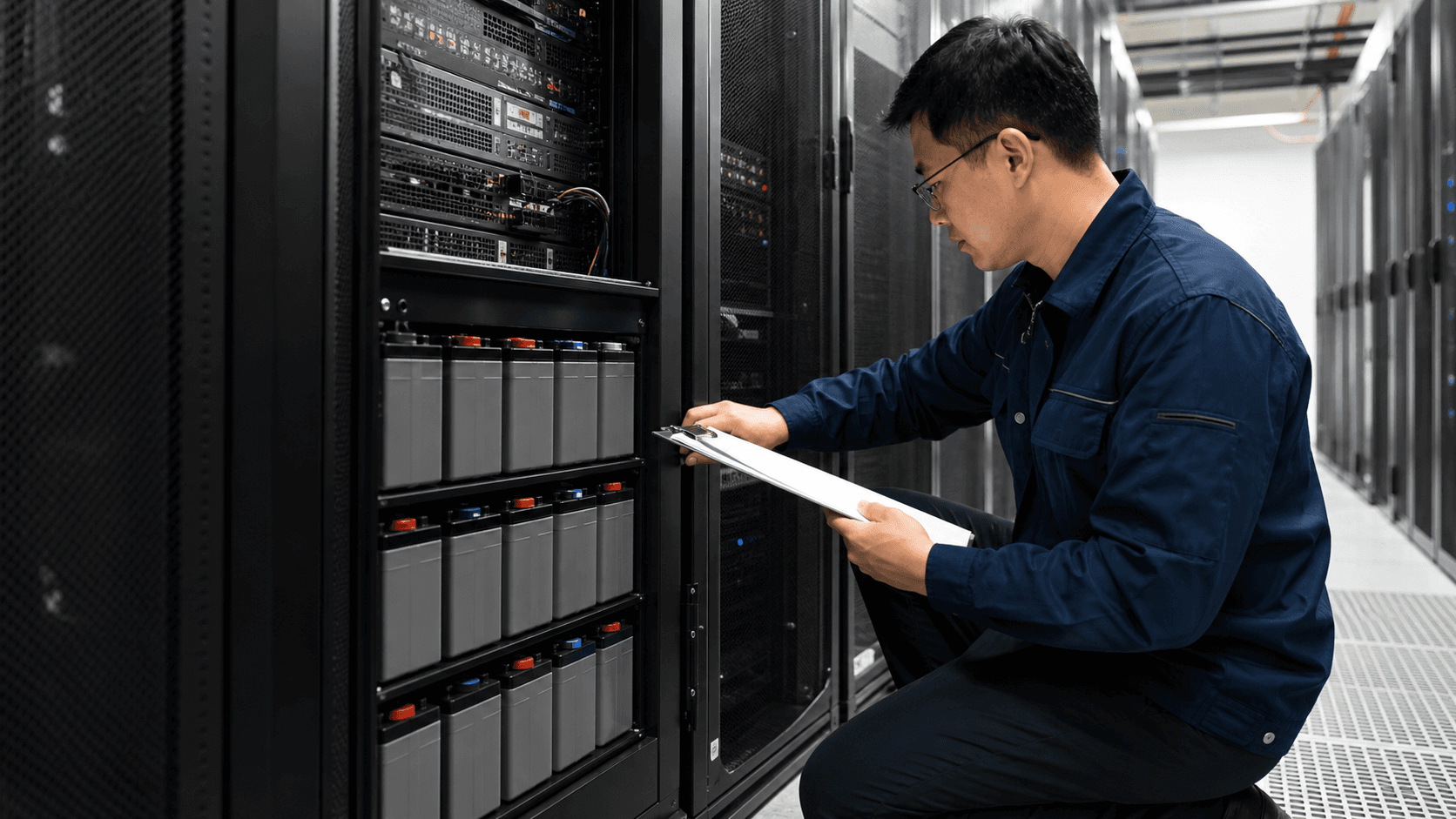
TL;DR: Panasonic Holdings plans to start mass production of battery cells for data-center applications at its Kansas plant in fiscal 2028, according to a June 8 Reuters report. The business implication is bigger than one factory line: AI infrastructure spending is moving from servers and chips into rack-level power stability, where batteries, capacitors, and supplier qualification can become recurring margin machinery.
##What Panasonic Is Really Moving Into Kansas
Reuters reported on June 8 that Panasonic Holdings plans to produce battery cells for data-center applications at its Kansas plant in fiscal 2028, which ends in March 2029.
That sounds like a manufacturing footnote. It is not.
Panasonic is trying to make the power rack a commercial product, not a background utility item. The company is taking a business it already describes as a data-center energy-storage franchise and putting more production closer to the North American hyperscaler buildout.
The relevant customer is not a household buying batteries. It is a cloud operator trying to keep AI servers from turning power volatility into downtime, equipment stress, or inefficient capacity planning.
##Why The Battery Is Becoming Part Of The AI Budget
Panasonic has already framed the problem plainly: high-performance AI servers can draw large amounts of electricity in short bursts, creating peak power swings and unstable voltage. The company says rack-level battery backup units can help cover those peaks and stabilize operations inside AI data centers.
That is the useful business clue.
When investors talk about AI infrastructure, the conversation still leans toward GPUs, networking gear, custom chips, cooling systems, and utility interconnects. Those matter. But the less glamorous layer is now moving into the same capital-spending argument:
- battery cells and modules inside the rack
- peak-shaving systems that reduce demand spikes
- power-control hardware that protects expensive server utilization
- supplier relationships that must survive hyperscaler qualification cycles
This is where a commodity-looking part starts to behave less like a commodity. If the battery system becomes part of the platform design, switching suppliers is not just a purchasing decision. It becomes a reliability, engineering, and uptime decision.
##Where The Margin Line Starts To Show
Panasonic's own March data-center energy-storage article said its Energy business was developing storage systems for data centers and targeting around ¥800 billion of sales in the segment in FY2029. The newer Reuters report says Panasonic is allocating about ¥350 billion of a previously announced ¥500 billion AI-infrastructure investment to its Energy unit, with another ¥150 billion going to its Industry segment.
That allocation matters because it tells investors where Panasonic thinks the AI money can be captured.
This is not only a capacity story. It is a mix story. If battery cells, modules, shelves, and control systems are sold as a qualified power system for data centers, the revenue is tied to a higher-value use case than generic cells. Panasonic Energy also plans a third Mexico plant for data-center energy-storage modules, according to the same Reuters report, which makes the supply-chain map look more like a North American AI-infrastructure corridor than an isolated Kansas project.
#Why Kansas is not just a location
Kansas gives Panasonic a way to reuse or redirect automotive battery capacity toward a customer base with different economics. Electric-vehicle batteries are exposed to auto-cycle pricing, model delays, and consumer demand. Data-center batteries are exposed to hyperscaler capex, utilization targets, and power reliability.
Those are not the same risk pools.
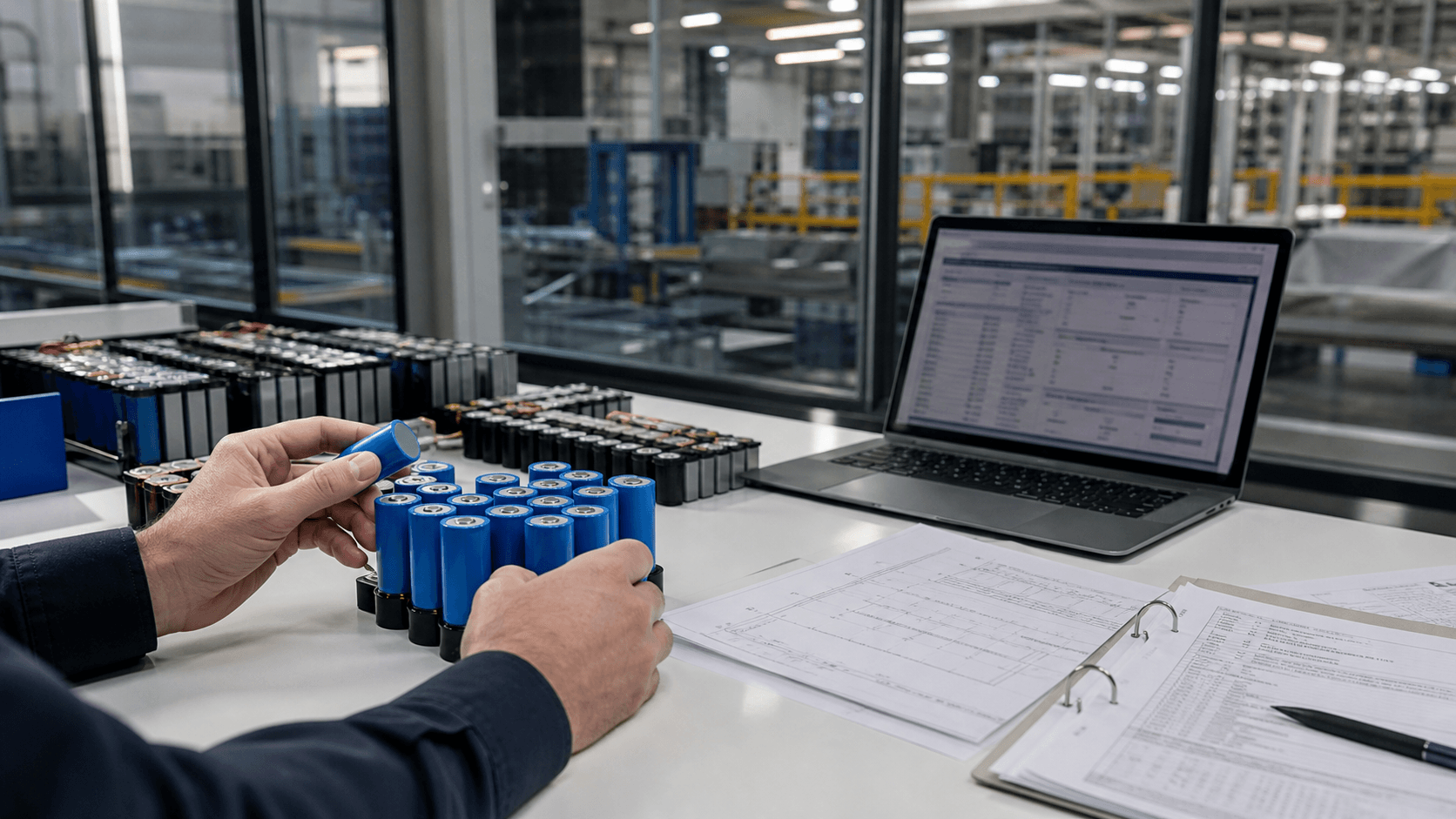
In a cleanroom or planning office, the operating question is simple: which cell format, module design, and delivery schedule can pass the cloud customer's rack specification? The answer determines whether Panasonic sells a component or becomes part of the infrastructure bill of materials.
##Who Pays If AI Power Gets Messy
The buyer ultimately pays because idle GPUs are expensive. A hyperscaler can own the best chips in the world and still lose economics if power delivery becomes the bottleneck.
The supplier gets paid if it can make reliability boring.
That is the overlooked point in Panasonic's plan. The most valuable vendor in an AI data center is not always the vendor with the flashiest part. Sometimes it is the vendor whose part prevents a much more expensive asset from becoming underused.
#The quiet pricing power is in qualification
Once a battery backup design is approved for a server platform, the buyer has less appetite for casual substitution. Data-center operators want dependable repeatability across racks, sites, and refresh cycles.
That creates a different kind of pricing power: not brand power, but engineering lock-in. It is slower to win and easier to underestimate from the outside.
##What Investors Should Watch Next
The stock-market temptation is to treat Panasonic's data-center battery push as another AI label attached to an old industrial company. That is lazy.
The better test is whether Panasonic can show that AI energy-storage revenue carries better durability than its more cyclical battery exposures. Watch three things:
- whether Panasonic's data-center energy-storage sales targets keep moving higher
- whether Kansas and Mexico capacity comes online without customer delays
- whether hyperscalers standardize rack-level power systems across more AI server generations
If those pieces line up, the story is not "Panasonic found an AI angle." The story is that AI capex is colonizing the parts of the electrical system investors used to ignore.
#FAQ
What did Panasonic announce on June 8, 2026?
Panasonic plans to start mass production of battery cells for data-center applications at its Kansas plant in fiscal 2028, according to Reuters. The company is also putting major AI-infrastructure investment behind its Energy and Industry units.
Why do AI data centers need rack-level batteries?
AI servers can create sharp power demand spikes. Rack-level battery backup units can help stabilize voltage, cover peak demand, and protect utilization of expensive server hardware.
What is the Gainbrief angle for investors?
The important shift is that AI infrastructure spending is moving into power-stability hardware. Panasonic's opportunity is not just more battery volume; it is a chance to turn qualified power systems into a higher-value revenue stream tied to hyperscaler buildouts.