The Fed Chair Who Stayed to Protect the Institution While People Ran Out of Money

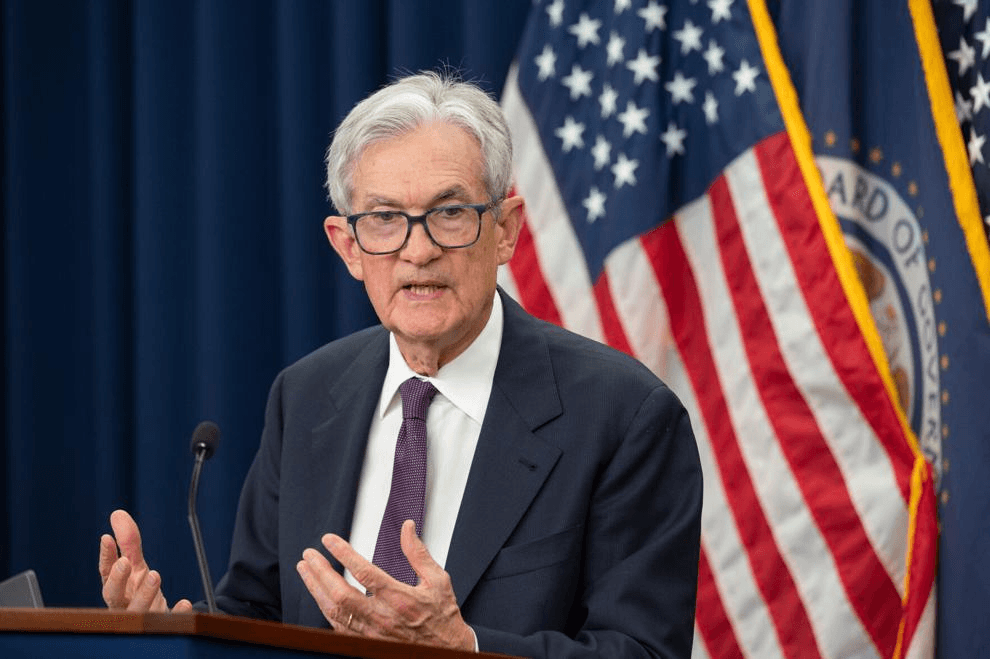
Jerome Powell stepped down as Federal Reserve chair this week after eight years that will probably be remembered less for what he did right and more for what ordinary people couldn't afford by the time he left. Tomato prices are up 40 percent over the past year. Overall groceries cost 30 percent more than they did six years ago. Rent is climbing steady. A recent college graduate working in hospitality in Boston told a reporter that grocery shopping used to be mindless but now it's "strategic"—she plans every purchase around saving money she barely has.
This is the economy Powell exits. A news cycle all about him defending the Fed's independence against Trump's bullying gets written, and somewhere a 25-year-old is buying fewer vegetables because the arithmetic doesn't work anymore.
Powell inherited a lucky hand in 2018. Unemployment was already low, inflation was too low, and the Fed's benchmark rate sat at 1.25 percent. Then came the pandemic, the supply-chain chaos, and two administrations pumping trillions into the economy. Inflation ripped higher. By the time Powell started raising rates seriously in 2022, the damage was already baked in. Rents had jumped, groceries had jumped, and they've stayed jumped. Raising rates after the spike doesn't un-spike the prices. It just makes borrowing expensive for the people who weren't at the party but have to pay for cleanup.
The Fed kept rates near zero longer than it should have in 2021 and 2022, and Powell admits as much in interviews. But by then the narrative had shifted. Powell stopped being the guy who moved too slow and became the guy defending institutional independence. When Trump came back into office, he went after Powell—investigations, threats, demands that rates be slashed. Powell, to his credit, stayed put. Didn't resign, didn't fold, kept the Fed's seat at the table when politicians were trying to turn it into a joke. That's the story that sold: Powell as the guardian of the temple.
The story no one tells is the one about the people for whom independence meant nothing. Lower-income households "economize," Powell himself said in recent interviews—they trade down from brands, cut purchases, stretch budgets. Small-business owners watched supply costs double, couldn't raise prices because customers said no, and ended up with empty bank accounts. A neighbor of one Columbus flooring contractor laid bare the situation: supply costs jumped, customers wouldn't budge on price, and the contractor had nowhere left to cut. He had no money in the bank.
You can make an argument for why Powell had to do what he did. Inflation needed to come down. The Fed needed independence or it becomes a political appendage. Fair enough. But the problem is that these arguments are true and also don't matter to the person who's now spending an extra $30 every time they buy groceries. The Fed successfully protected itself. Powell stepped down knowing his successor will probably get credit if inflation keeps falling, and he keeps the job on the board until 2028. That's a win for the institution. It's not a win for the people still waiting for a tomato that costs what it should.