Texas Screwworm Turns Beef Prices Into A Containment Trade

TL;DR: New World screwworm has been confirmed in a Texas calf, and the market risk is not panic at the meat counter tomorrow. The risk is that a biological containment problem becomes another constraint on an already tight U.S. cattle system. With Mexican cattle flows restricted and the U.S. herd already thin, every inspection zone, delayed shipment, and ranch-level treatment step can show up later as less supply flexibility and tougher beef pricing.
##What The Texas Screwworm Case Changes
The first confirmed New World screwworm case in a Texas calf is easy to read as an animal-health story. For Gainbrief, it belongs in the consumer balance-sheet file.
Reuters reported that the parasite was found in a calf in La Pryor, Texas, after the fly had moved north through Central America and Mexico, crossing the biological barrier that had protected U.S. livestock for decades. A separate Reuters explainer notes that the U.S. has already halted Mexican cattle imports because of the pest's spread, a disruption that matters because Mexican feeder cattle are part of the everyday supply chain behind American beef.
That is the actual business issue. Screwworm does not need to become a national outbreak to tighten the economics. It only needs to make cattle movement slower, riskier, and more expensive in a market that already has little slack.
##Why This Is A Beef-Margin Story
The U.S. beef market has been living with a small-herd problem. Drought, high feed costs, and years of herd liquidation left the system with fewer animals available to absorb shocks.
When supply is abundant, an inspection delay is annoying. When supply is tight, the same delay becomes a pricing mechanism.
#How a quarantine becomes a cost
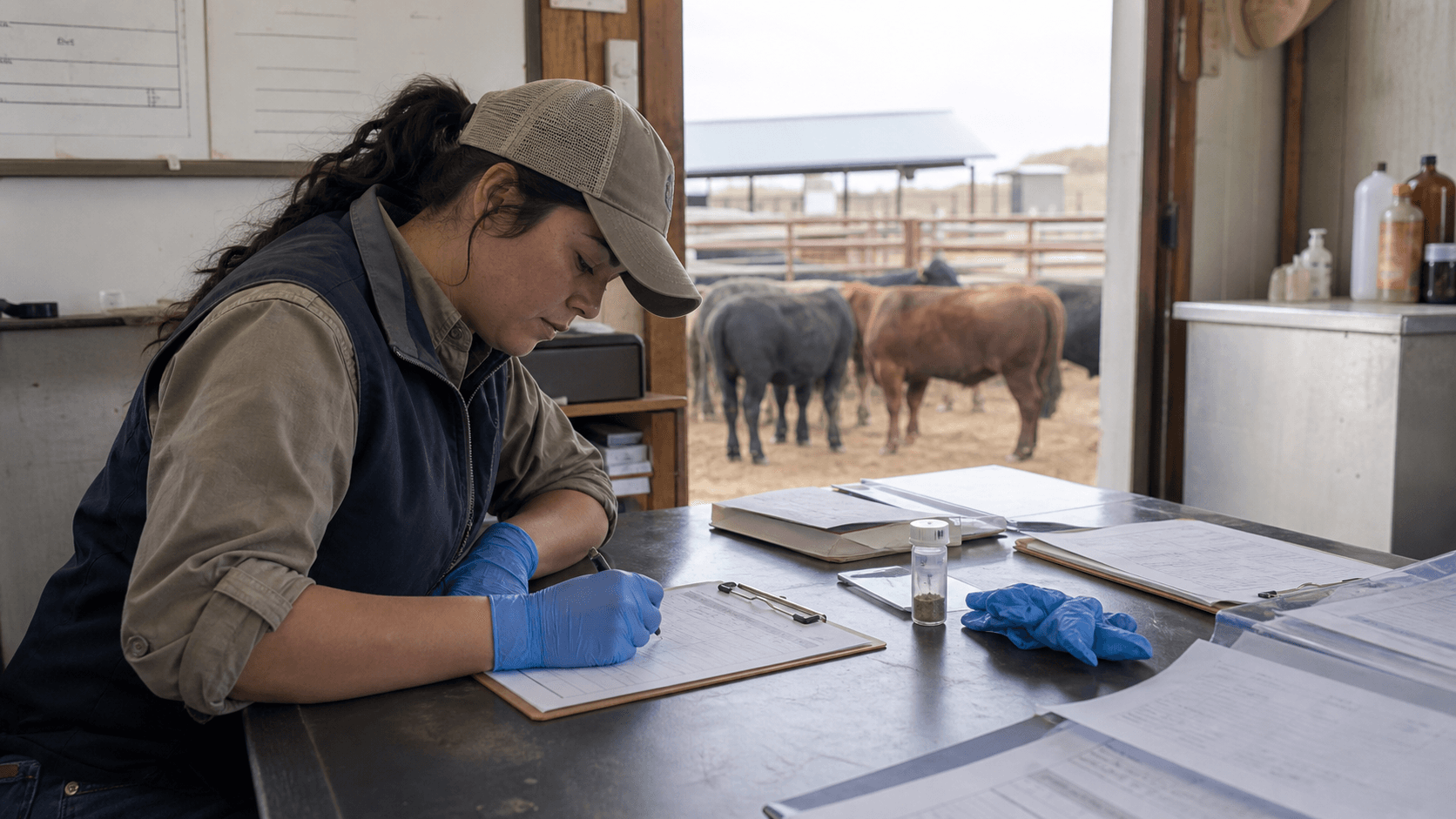
A rancher does not experience this as an abstract national threat. The first scene is a clipboard, a veterinarian, a trailer schedule, and a decision about whether an animal can move.
Texas officials established a local quarantine zone around the detection area, and federal and state officials are moving to contain and eradicate the pest. That is the correct response. It is also a workflow tax.
The cost shows up in ordinary places:
- animals held longer before sale or transport
- more veterinary checks and documentation
- tighter buyer confidence at auction
- packers and feedlots paying for certainty, not just cattle
- retailers managing a beef case with less confidence about replenishment
None of that requires a dramatic collapse. It is the kind of friction that quietly makes a tight market act even tighter.
##Where The Supply Chain Feels It First
The important handoff is not between Washington and the grocery aisle. It is between the border, the ranch gate, the auction barn, the feedlot, and the packer.
USDA has spent months building a response system around sterile-fly production and dispersal. In January, APHIS said it was shifting sterile fly dispersal efforts to defend the U.S. border, including operations roughly 50 miles into Texas along the Tamaulipas line. In March, USDA and the Army Corps advanced a new Texas sterile fly production facility contract, part of a broader strategy to increase domestic response capacity.
That sounds technical, but it is really capacity planning. The cattle market is now depending on a public-health-style operating system: surveillance, movement controls, lab confirmation, sterile insects, and local compliance.
For investors, grocers, restaurants, and food companies, the question is not whether every ranch is suddenly at risk. The question is whether the industry's lowest-cost movement channels stay predictable.
#Why Mexican cattle flows matter
Mexican cattle are not a trivia point in this story. They are part of how the U.S. fills feedlots and smooths regional supply.
Reuters noted that the halt on Mexican cattle imports has already elevated record-high beef prices by removing calves from the U.S. supply chain. If the Texas case forces longer caution around cross-border cattle movement, it does not just hurt ranchers near the border. It pushes more supply discipline onto packers, restaurants, and retailers that were already managing expensive beef.
##Who Pays For The Extra Friction
Consumers will see the story only if the price tag moves. Operators see it sooner.
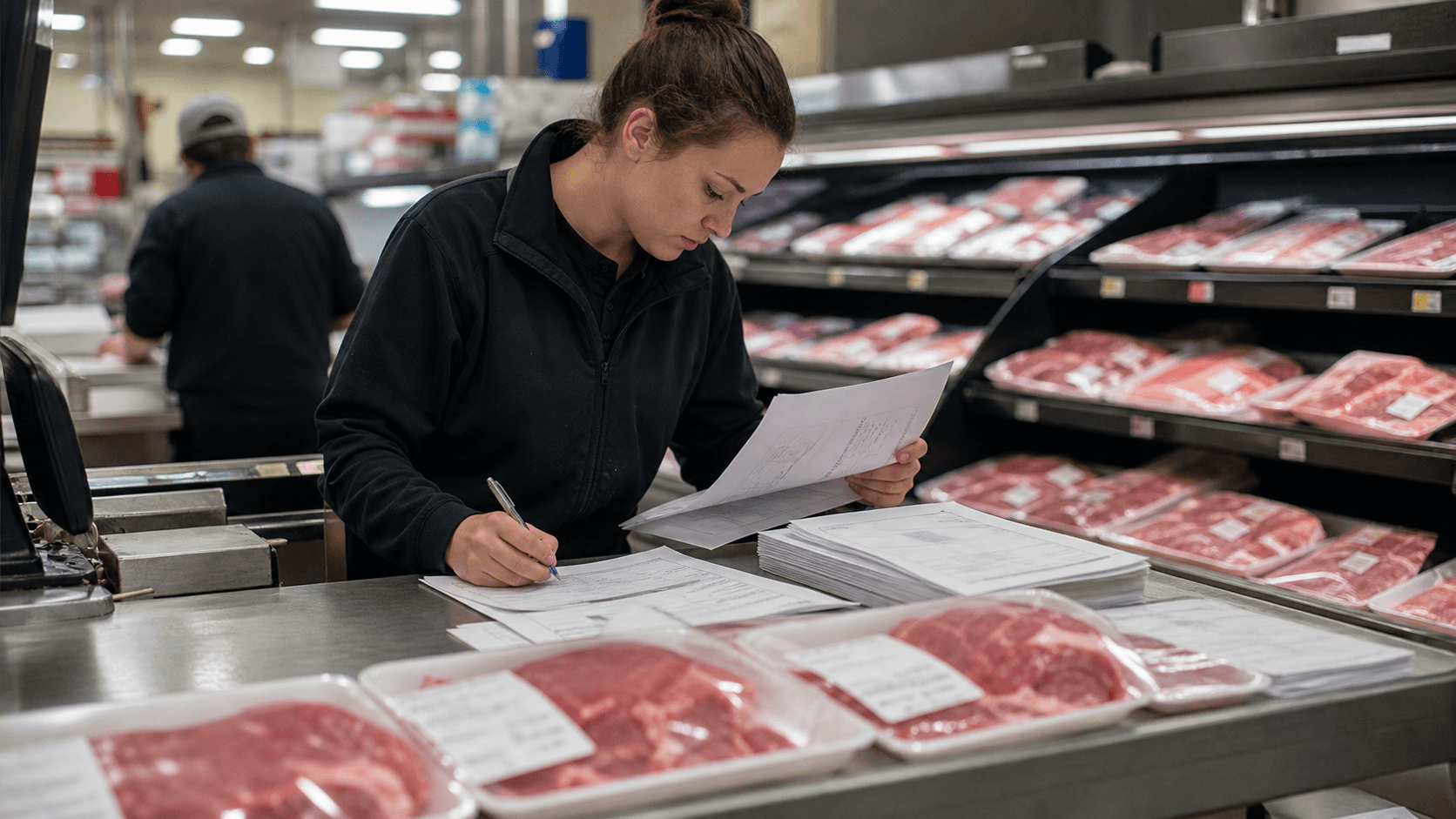
A supermarket meat manager does not buy "screwworm risk." She buys cases of ground beef and steak cuts against a weekly margin target. A restaurant chain does not model larvae. It models beef availability, promotional timing, and whether menu prices can move without losing traffic.
That is why the cleanest business read is not fear. It is operating leverage in reverse.
In a normal commodity cycle, lower supply can help producers. But disease containment creates uneven costs. Some ranchers face extra checks and movement restrictions. Feedlots may bid differently for known-origin cattle. Packers may prefer certainty over price. Retailers and restaurants may have less room to run discounts.
The winner is whoever can secure reliable supply without overpaying for panic. The loser is the operator forced to absorb higher beef costs while customers are already price-sensitive.
##What Investors Should Watch
The first metric is not the case count alone. It is movement.
If officials contain the case quickly, the market may treat this as a frightening but limited event. If quarantine zones expand, if Mexican cattle restrictions persist, or if auction and feedlot flows become less predictable, the beef market will have to price another layer of uncertainty.
That matters because food inflation is often discussed as a neat macro line item. Beef is not neat. It is a biological supply chain with long production cycles, weather exposure, border dependence, and consumer substitution at the shelf.
The sharp takeaway: screwworm is not just an animal-health headline. It is a reminder that the cheapest part of the food system is often the assumption that animals, paperwork, and trucks can keep moving.
#FAQ
Why does one Texas screwworm case matter for beef prices?
One case does not guarantee a national outbreak. It matters because the U.S. cattle market is already tight, and even limited movement controls or import disruptions can reduce supply flexibility.
Is the U.S. food supply unsafe because of this case?
The business issue is not food safety at the grocery counter. The issue is whether containment work, inspections, and cattle-movement restrictions make beef supply more expensive to manage.
Which companies or sectors should watch this most closely?
Ranchers, feedlots, meatpackers, grocers, restaurants, and animal-health suppliers should watch it first. Investors should also watch companies with heavy beef exposure, because small changes in wholesale cost can pressure margins when consumers resist higher menu or shelf prices.