FedEx's $4.88 Dividend Puts The Freight Spin-Off On A Capital-Allocation Clock

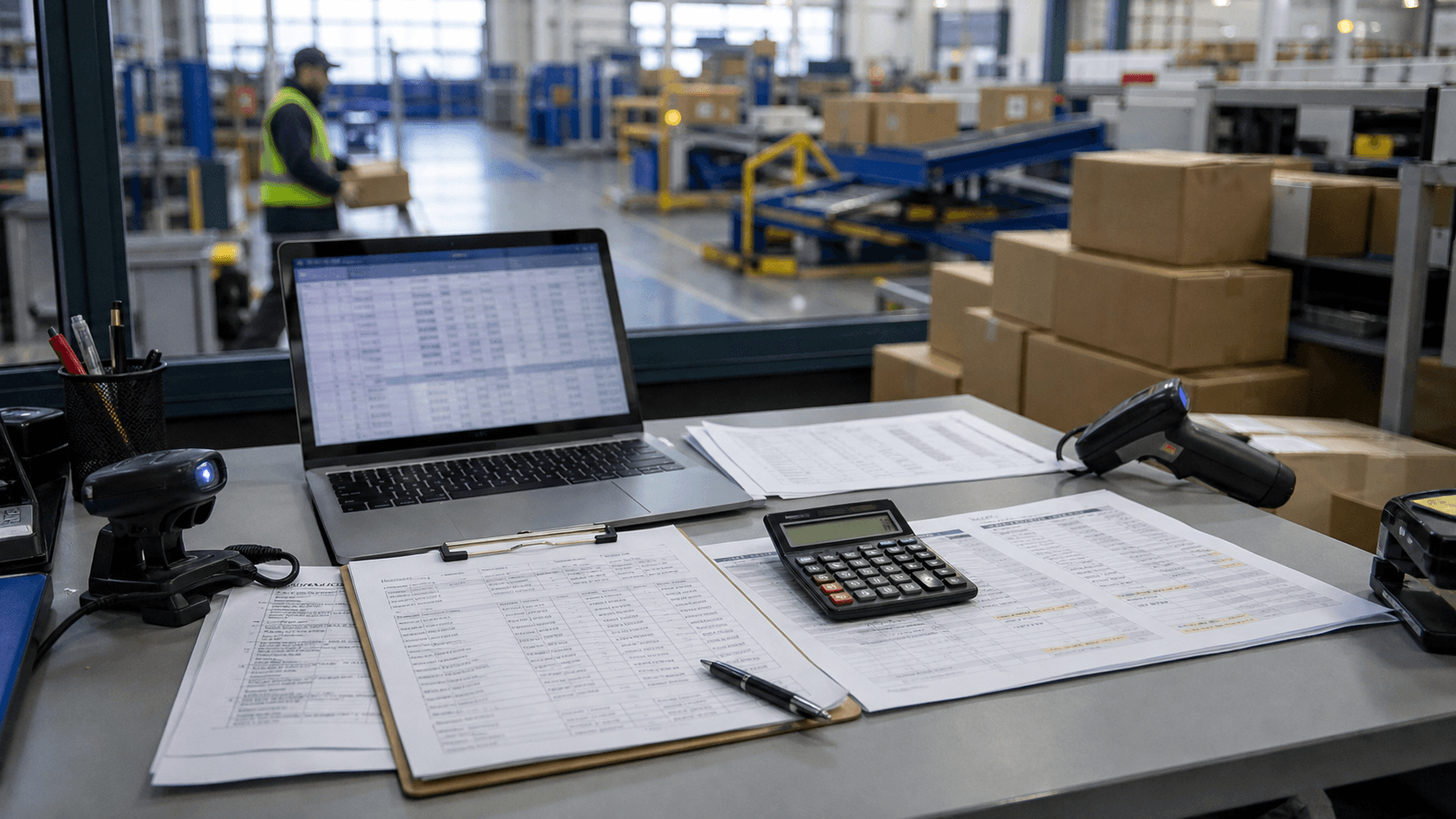
TL;DR: FedEx raised its adjusted annual dividend rate to $4.88 after completing the FedEx Freight spin-off, but the real story is not the 5% shareholder-return headline. It is the new capital-allocation bargain: FedEx keeps the dividend signal and a 19.9% Freight stake, while the newly public FedEx Freight now has to prove its less-than-truckload economics can carry a debt-funded separation.
##What FedEx Actually Changed
FedEx said its board approved a 5% annual dividend increase after adjusting for the FedEx Freight spin-off, setting an annualized rate of $4.88 for the transition period from June 1, 2026 through Dec. 31, 2026. The quarterly cash dividend is $1.22 per FedEx share, payable July 7 to holders of record on June 22.
That sounds like an ordinary dividend update.
It is not ordinary. It lands one week after FedEx completed the separation of FedEx Freight, which began trading on the NYSE as FDXF on June 1. FedEx kept trading as FDX, but the company that investors are valuing now is different from the company that carried the freight unit last month.
#The dividend is a message to old FedEx holders
The point of the dividend is continuity. FedEx is telling investors that the parent company did not become a weaker income story just because one of its cleaner freight assets moved outside the perimeter.
That is the surface message. The deeper question is whether the parent can keep that signal while the market separately prices the freight business, the retained stake, and the debt that helped make the split work.
##Why The Freight Spin-Off Is A Balance-Sheet Story
FedEx completed the spin-off by distributing 80.1% of FedEx Freight shares to FedEx shareholders. Holders received one FedEx Freight share for every two FedEx shares they owned as of May 15.
FedEx retained 19.9% of FedEx Freight. The company says it plans to dispose of that stake within 24 months through debt-for-equity exchanges, dividends, or exchanges for FedEx common stock.
That retained stake matters. It is not just a leftover ownership interest. It is a financing tool.
FedEx has given itself a two-year window to turn the remaining FDXF shares into balance-sheet flexibility. The market now has to ask a cleaner question: how much of FedEx's future shareholder return is coming from operating cash flow, and how much is coming from monetizing the last piece of Freight?
#The debt did not disappear
The separation also moved a real financing burden into the new freight company. FedEx said in May that FedEx Freight would pay a cash dividend of about $4.1 billion to FedEx before the separation, funded by a $3.7 billion senior-notes offering and borrowings under a delayed-draw term loan facility.
Earlier, FedEx Freight priced $3.7 billion of senior notes maturing from 2029 through 2036, with coupons ranging from 4.300% to 5.250%.
That is the part casual readers miss. A spin-off can make a company easier to analyze, but it does not make the capital structure lighter by magic. It decides where the weight sits.
##Where The Operating Pressure Shows Up
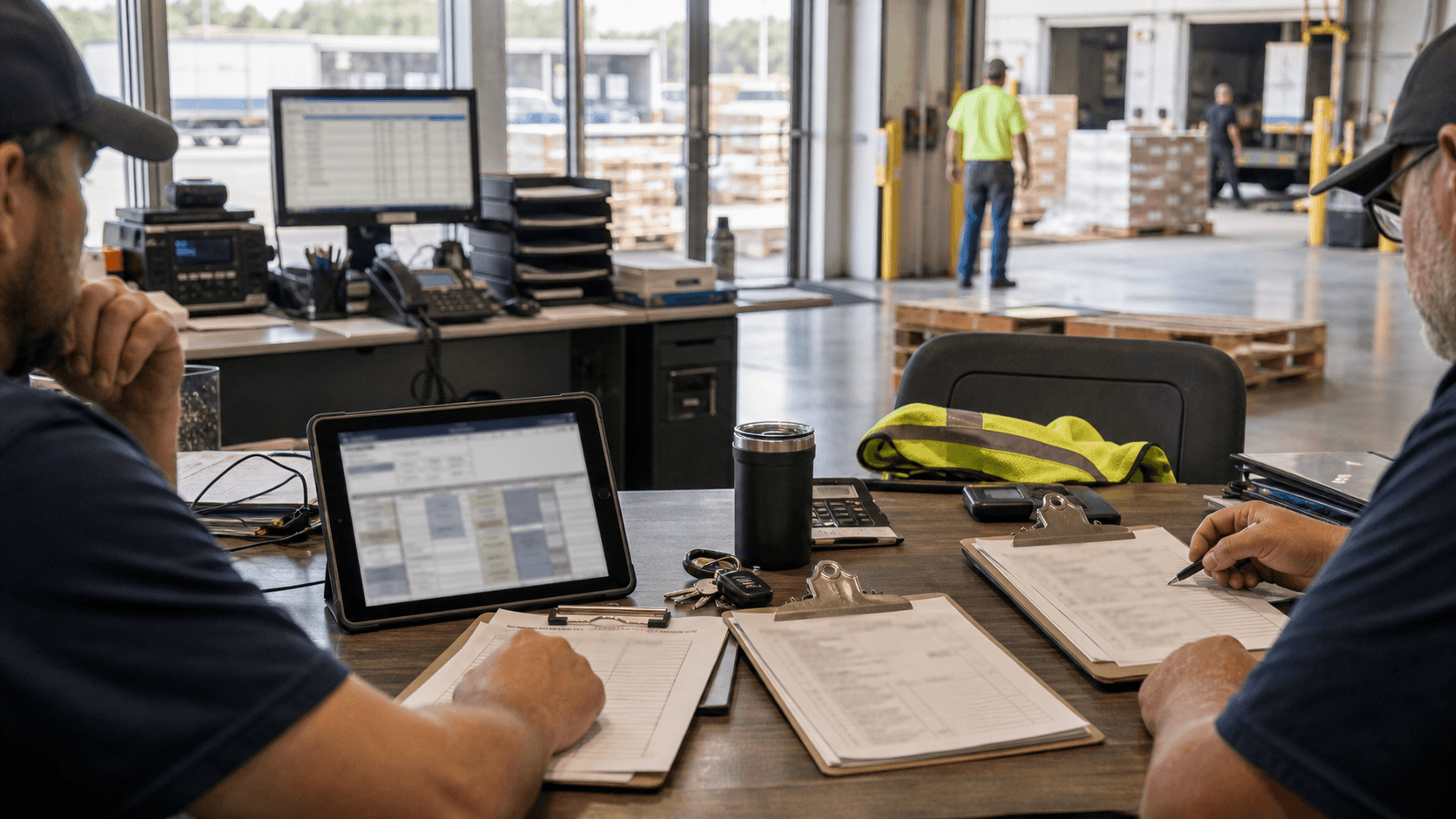
Picture a freight terminal dispatch table, not a Wall Street conference room.
There is a tablet with load plans, a stack of manifests, a scanner, a route board, and someone trying to decide whether a half-empty trailer should move now or wait for more freight. That small decision is where public-company finance eventually arrives.
Less-than-truckload freight is attractive because scale matters. A dense network can spread pickup, linehaul, terminal, and delivery costs across many shipments. But when demand is soft or shipment mix weakens, the same network turns into a fixed-cost argument with lenders and investors listening.
FedEx Freight now has a purer story to tell:
- it is a focused North American LTL carrier, not a segment inside a global parcel company;
- it has its own stock, debt, board, investor base, and incentive structure;
- it can be valued against other freight networks without FedEx Express and Ground noise;
- it also has less room to hide if volumes, pricing, labor, or terminal utilization disappoint.
That last point is the trade.
##Who Benefits From The Cleaner Split
FedEx parent benefits if investors give the remaining company a cleaner multiple and trust the dividend. The parent also benefits if the retained FDXF stake can be monetized on decent terms inside the 24-month window.
FedEx Freight benefits if independence lets management run the LTL business for its own density, yield, fleet, and service tradeoffs instead of competing for capital inside a larger parcel network.
Shareholders get a cleaner pair of securities. They also get a clearer bill.
Before the spin, a FedEx investor had to underwrite one blended machine. Now the investor has to underwrite two machines: a global parcel and logistics parent that wants to keep returning cash, and a freight carrier that has to convert operational focus into enough free cash flow to make the separation math look smart.
##Why The Dividend Headline Is Slightly Misleading
The headline says FedEx raised the dividend.
The better read is that FedEx is defending the dividend after a corporate surgery. The company is trying to prove that the remaining FDX cash-return story survives the removal of Freight, while the new FDXF story can stand under its own debt and cycle exposure.
That is a sharper test than whether a board can approve $1.22 per quarter.
The real test starts when investors compare three numbers over the next few quarters: FedEx's post-spin operating cash flow, the value realized from the retained Freight stake, and FedEx Freight's ability to carry its new capital structure without starving service quality.
If those three numbers line up, the split will look disciplined. If they do not, the dividend will look less like confidence and more like a clock.
#FAQ
What did FedEx announce on June 8, 2026?
FedEx announced a quarterly dividend of $1.22 per share and said the adjusted annualized dividend rate is $4.88 for the June 1 through Dec. 31, 2026 transition period after the FedEx Freight spin-off.
Why does the FedEx Freight spin-off matter for investors?
It separates the less-than-truckload freight business into its own NYSE-listed company, FDXF. Investors now have to value FedEx parent and FedEx Freight separately, including the parent company's retained 19.9% stake and the new freight company's debt profile.
What is the main financial risk?
The risk is that the spin-off improves clarity but exposes both companies to harder standalone tests. FedEx must sustain shareholder returns without the full Freight business inside the parent, while FedEx Freight must prove its network economics can support the debt-funded separation.