Autodesk's MaintainX Deal Puts a Price on Factory Downtime Data

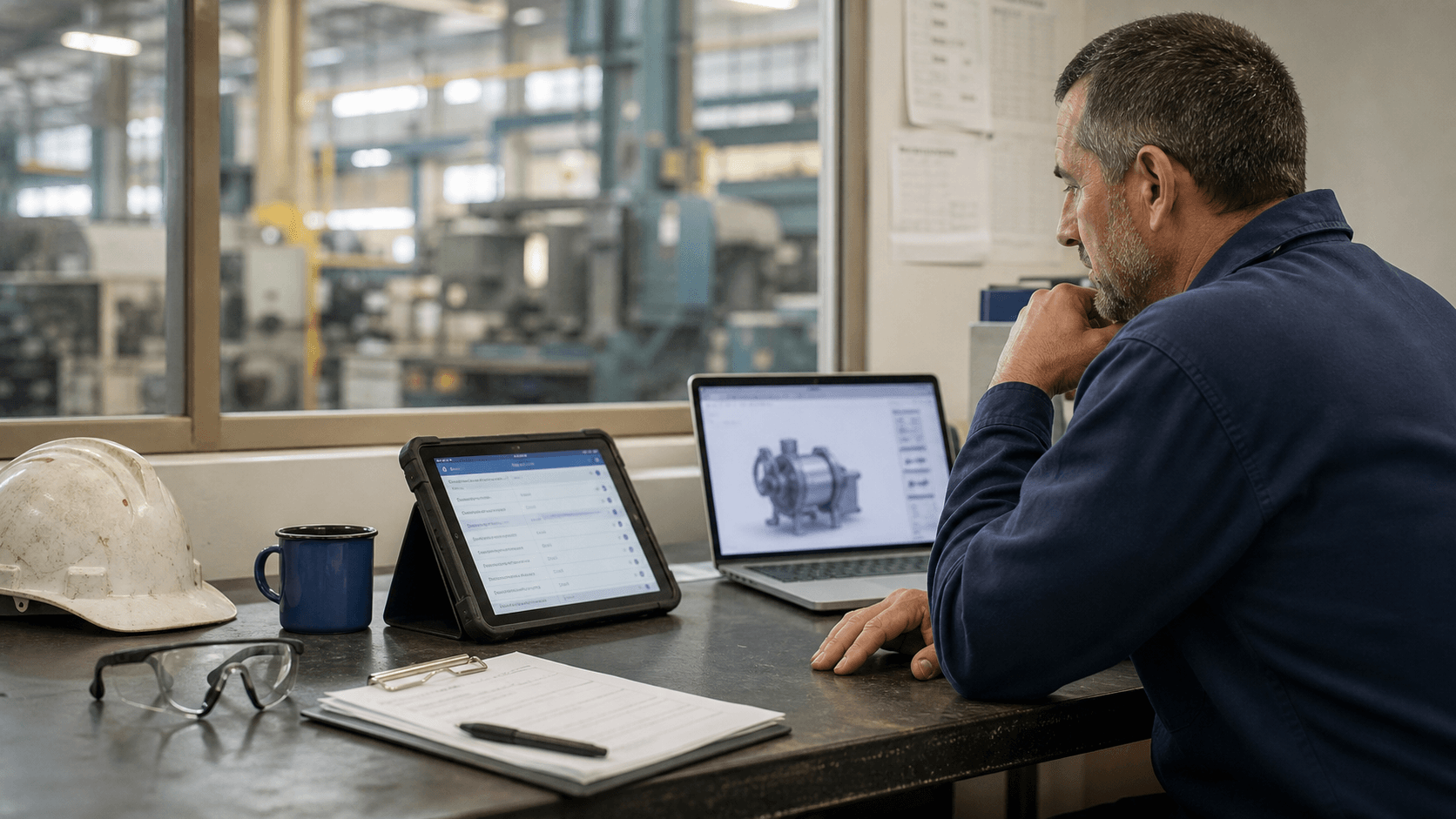
TL;DR: Autodesk agreed on May 28, 2026, to buy MaintainX for about $3.6 billion in cash, paying up for a maintenance software company expected to top $135 million of 2026 annualized recurring revenue. The real bet is not just CMMS software. Autodesk is trying to own the messy operating data that tells manufacturers and building owners what actually breaks, what gets fixed, and where AI can produce a measurable dollar result.
##What Autodesk Is Really Buying
Autodesk framed the MaintainX acquisition as a way to connect "design, make, and operate" workflows. That sounds like platform language, but the plain version is more interesting: Autodesk wants to move from the drawing and model to the machine that fails on Tuesday afternoon.
MaintainX manages maintenance activity, inspections, work orders, asset information, and frontline operations. Those are not glamorous software categories. They are where downtime gets recorded, parts get reordered, inspections get skipped, and supervisors learn which assets are quietly eating the budget.
That is why the deal matters. Autodesk already has the upstream map of buildings, factories, equipment, and design intent. MaintainX gives it a shot at the downstream diary.
#Why the price looks aggressive
The price is roughly $3.6 billion for a company Autodesk says should exceed $135 million of calendar 2026 ARR, with growth above 50%. Even before adjusting for growth, that is a rich multiple for software attached to maintenance workflows.
But the acquisition is easier to understand if the unit being bought is not just subscription revenue. Autodesk is buying a position inside the operating loop.
In enterprise software, the most valuable workflow is often the one people cannot avoid. A CAD seat can be budgeted, consolidated, or negotiated. A broken conveyor, inspection miss, or facility shutdown has to be handled now.
##Why Maintenance Data Has Become An AI Asset
AI in industrial software has a simple problem: a model of the asset is not enough. The software also needs evidence from the real world.
Autodesk made that argument in its fiscal first-quarter release, saying customers need AI outputs that are accurate against real-world constraints. That is a useful line because it separates industrial AI from office AI.
In a factory or hospital facility, a wrong answer is not just annoying. It can create downtime, safety risk, bad maintenance timing, wasted labor, or unnecessary capital spending.
#The operating scene Autodesk wants
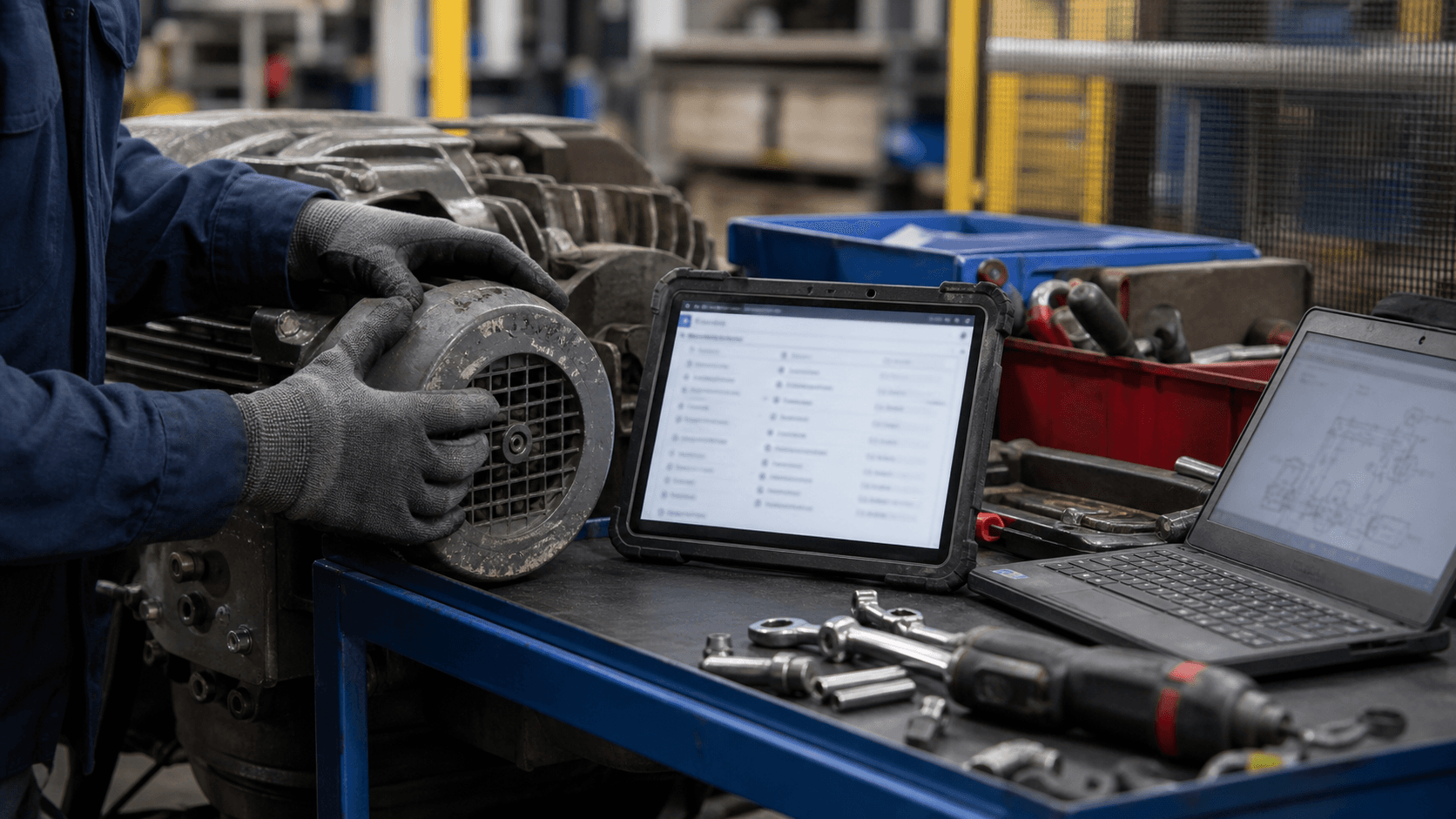
Picture a maintenance supervisor looking at a tablet beside a motor that keeps overheating. The useful question is not, "Can AI summarize this work order?"
The useful questions are harder:
- Did this asset fail earlier than the design assumptions suggested?
- Are technicians replacing the same part too often?
- Is the inspection schedule catching the problem before production slows?
- Should the next design, retrofit, or capital project change because of what happened in the field?
That is the bridge Autodesk is trying to build. The company wants the design model, the operational record, and the AI layer to talk to each other.
##Where The Business Model Changes
The hidden shift is duration.
Autodesk has historically made money around design, engineering, construction, and manufacturing workflows. Those are durable businesses, but many projects still have phases: design the building, engineer the component, fabricate the part, hand off the asset.
Operations are different. A building can operate for decades. A factory line can be maintained, modified, and audited for years after the original design file is old news. If Autodesk can stay attached to that lifecycle, it gets a longer relationship with the same physical asset.
The MaintainX investor presentation makes that explicit: Autodesk says operations can extend its duration with assets and systems from years to decades, and the financing plan includes about $1.6 billion of cash on hand plus $2.0 billion of additional borrowing.
That debt detail matters. Autodesk is not buying a small feature. It is using its balance sheet to chase a more permanent seat in the customer workflow.
##Who Has To Prove The Thesis
The obvious burden sits with Autodesk management, but the proof will show up at the customer level.
For manufacturers, building owners, contractors, and facility managers, the pitch has to become operationally boring in the best sense: fewer duplicate records, faster repair loops, better asset histories, and fewer handoffs between design files and field reality.
For investors, the test is whether Autodesk can turn MaintainX into more than an expensive ARR tuck-in. The company reported first-quarter fiscal 2027 revenue of $1.93 billion, up 18% year over year, so MaintainX is not large enough to transform the income statement immediately.
The strategic value has to come from expansion: more seats, more modules, more asset data, and more AI workflows that customers will pay for because downtime is expensive and visible.
##The Investor Blind Spot
The easy take is that Autodesk paid a premium for a fast-growing vertical SaaS company. True, but incomplete.
The sharper question is whether maintenance records become the missing training and context layer for industrial AI. If the answer is yes, then MaintainX is not just a CMMS purchase. It is a claim on the feedback loop between physical assets and digital models.
If the answer is no, Autodesk bought a costly operations app and gave shareholders another integration story to monitor.
That is the twist in this deal: the software category sounds humble, but the data may be the premium asset. Factory downtime has always had a cost. Autodesk is trying to turn that cost into a platform.
#FAQ
What did Autodesk announce?
Autodesk announced on May 28, 2026, that it entered a definitive agreement to acquire MaintainX in an all-cash transaction valued at about $3.6 billion.
Why does MaintainX matter to Autodesk?
MaintainX gives Autodesk software and data from maintenance, inspections, work orders, asset history, and frontline operations. That helps Autodesk connect design and manufacturing workflows to the real-world operation of physical assets.
What is the main risk for investors?
The main risk is that Autodesk paid a high price for a business that must be integrated into a broader platform story. The deal needs to produce workflow expansion and useful AI-enabled operations, not just another software product inside the portfolio.