The Tariff Refund Fight Is Really a Pricing Audit

The tariff refund fight is not really about whether shoppers can prove a few dollars of overcharge on a receipt.
It is about something much more uncomfortable for retailers: once a company tells customers it passed a cost through, the checkout price starts to look like an auditable promise instead of a flexible business decision.
That is why Costco asking a federal judge to dismiss a proposed consumer class action over tariff refunds matters beyond Costco. The legal question may be narrow. The business question is wider: who owns the upside when a temporary cost surcharge later disappears?
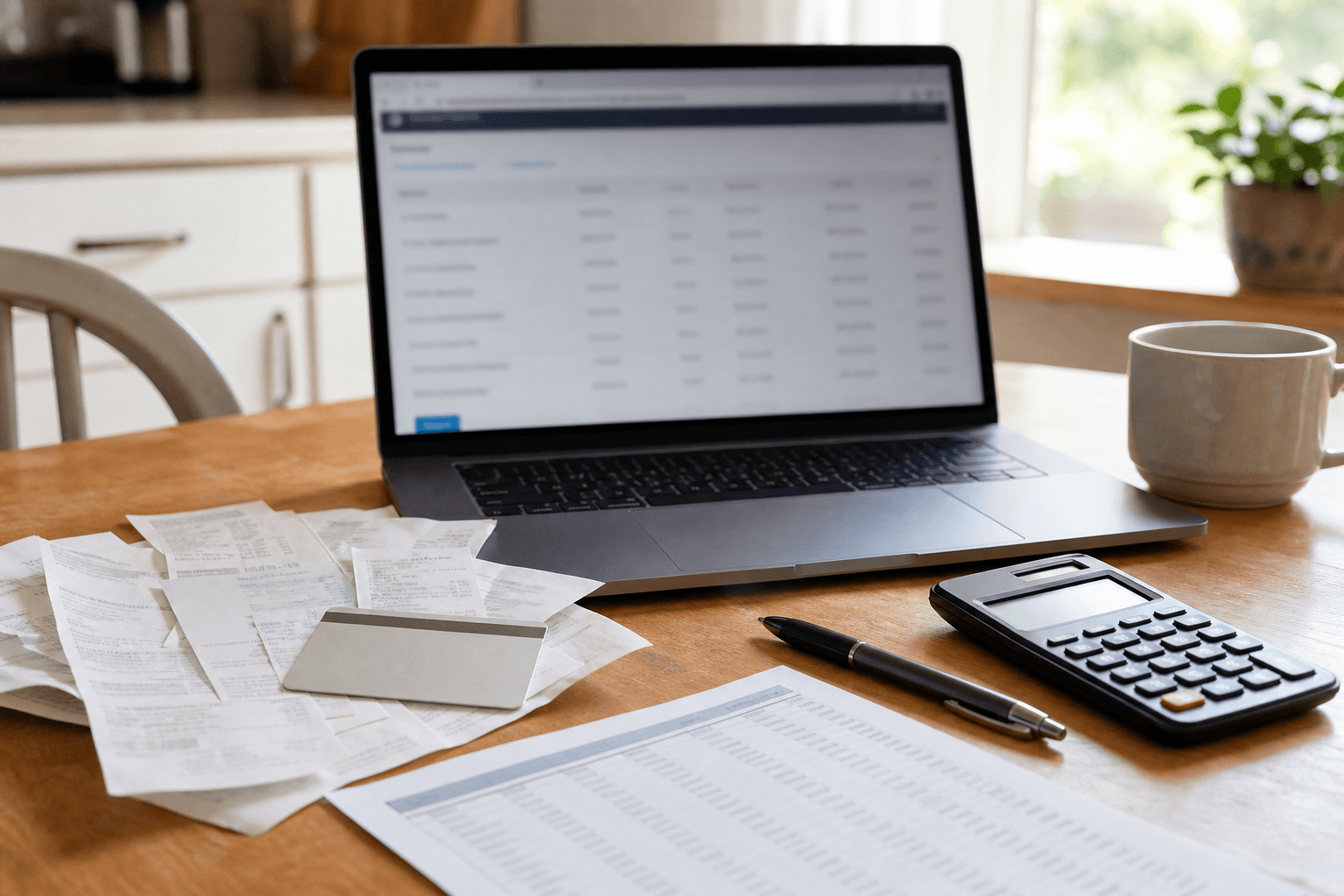
Picture a shopper at a kitchen table with a stack of receipts and an order-history page open on a laptop. There is no neat line item that says, "tariff, $3.17." There is only a higher shelf price, a membership relationship, and a company that may later receive money back from the government.
That is the friction point.
Tariffs are paid by importers, not directly by the person buying cookware, bedding, sunglasses, or a case of household goods. But the economic burden often moves downstream through prices. Retailers explain this plainly when costs rise. They talk about pressure, sourcing, mitigation, and the parts of the basket that have to become more expensive.
When the cost reverses, the language changes.
Now the refund becomes operationally complex. It may arrive late. It may not map cleanly to individual products. It may not match the exact timing of customer purchases. It may have been partly absorbed by the retailer, partly passed to customers, and partly offset by suppliers.
All of that is true. It is also why the issue is so dangerous.

Costco has argued, according to Reuters and court filings summarized in the business press, that the lawsuit is speculative: it has not received refunds yet, the amounts are unclear, and customers bought goods at posted prices. The company has also said it would return value to members through lower prices and better value if refunds materialize.
That sounds reasonable from an operator's chair.
But from a customer's chair, it sounds like a swap: you paid yesterday, someone else may get a cheaper price tomorrow, and the retailer keeps control of the timing, math, and definition of "value."
This is the hidden cost of treating pricing as a shock absorber.
During inflation, supply-chain disruption, and tariff volatility, companies learned to move prices faster. That flexibility protected margins. It also trained customers to believe that every price increase had an external villain attached to it.
The problem is that villains sometimes leave the scene.
If a retailer says, explicitly or implicitly, that a cost was passed through, it creates a trail. Not always a legally clean trail. But a reputational one. Consumers may not know the import duty on a specific item, yet they understand the broader bargain: if you used the cost story to justify higher prices, do not be surprised when people ask for the refund story too.
This is not just a Costco problem.
Reuters has reported similar consumer pressure around Amazon and other companies, while thousands of businesses have gone to court to preserve claims for tariff refunds. The math could be enormous. The allocation will not be clean.
That puts finance teams in an awkward middle seat.
They have to answer questions that are easy to ask and miserable to prove:
- Which products were actually tariffed?
- Which costs were absorbed versus passed through?
- Which customers bought during the affected window?
- Did later discounts already return some of the value?
- Should refunds go backward to past buyers or forward into future prices?
Investors should pay attention because this is where policy volatility becomes margin volatility.
A refund that looks like a windfall on paper may not behave like one in practice. It can become a legal reserve, a customer-relations liability, a pricing commitment, or a marketing subsidy. It can also expose which retailers have the systems to trace costs through SKUs, suppliers, channels, memberships, and time.
That last point is underappreciated.
The winners in this mess may not be the companies with the loudest "value" message. They may be the companies with the cleanest cost attribution. If you can show exactly what happened to a tariff cost, you have options. If you cannot, every answer sounds like a gesture.
Costco has a stronger trust bank than most retailers. Its membership model gives it a credible way to say future value can flow back to shoppers. But that trust is also why the fight matters. Members do not think of themselves as random foot traffic. They think of themselves as part of a bargain.
And bargains have memory.
The blunt takeaway: retailers spent the last few years making customers fluent in cost pass-through. Now customers are asking whether pass-through works in reverse.
That may be annoying. It may be legally messy. But it is not irrational.
If a price increase can be explained as temporary pain from Washington, should the refund be treated as permanent margin in Seattle, Bentonville, Issaquah, or anywhere else?