GM's Axle Strike Turns Pickup Profit Into An Inventory Test

TL;DR: The fresh story in GM is not a broad labor headline. It is that a UAW strike at Dauch, formerly American Axle, in Three Rivers, Michigan is testing how much inventory protection sits behind General Motors' most important pickup profit pool. GM says truck production continued on June 2, 2026, but the business risk is simple: a high-margin vehicle can be financially strong and operationally fragile at the same time.
##What The GM Axle Strike Really Tests
The easy version of this story is a labor dispute at a supplier plant.
The more useful version is a profit-chain story.
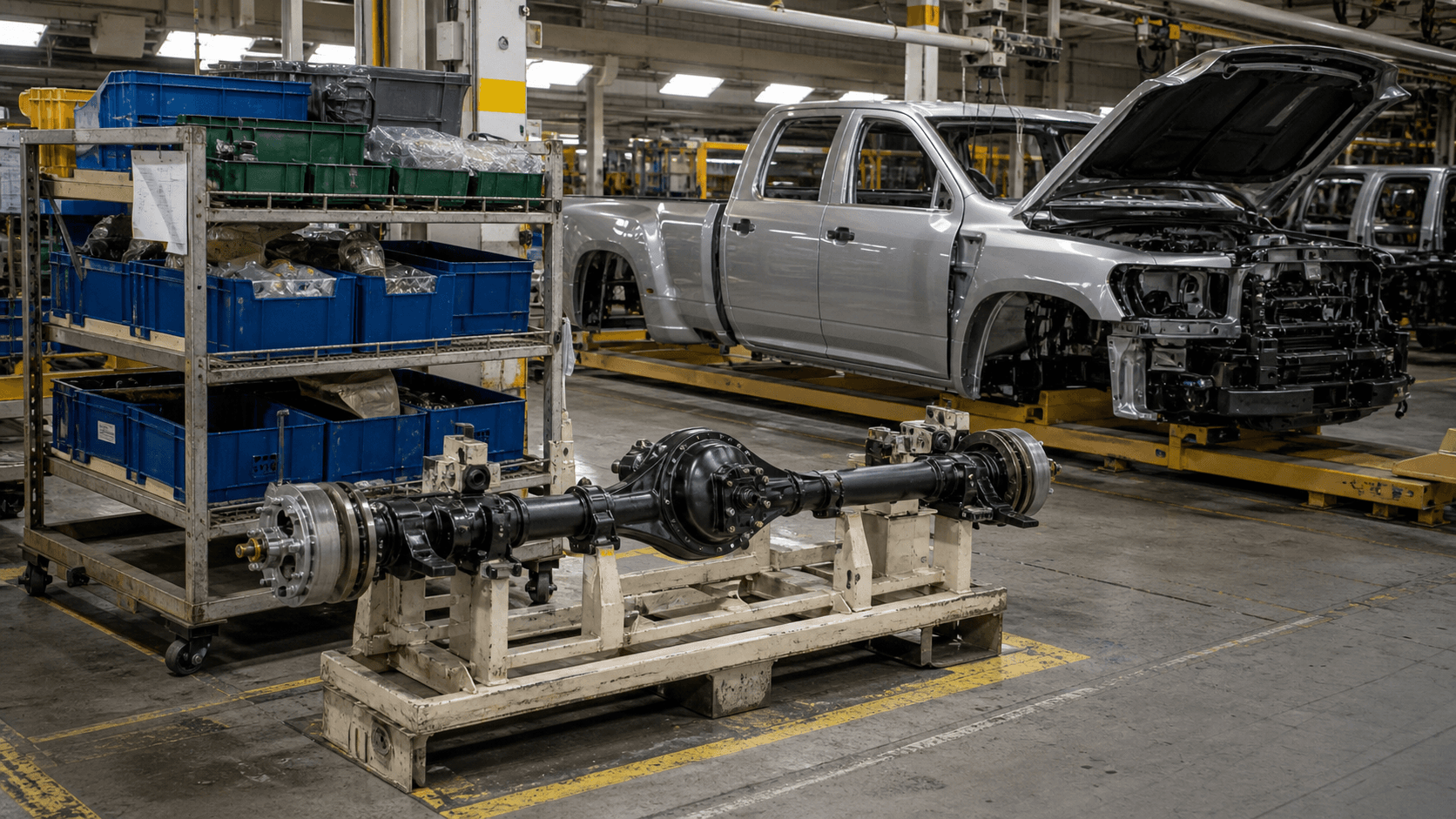
Reuters reported that negotiations had not resumed after UAW workers struck Dauch's Three Rivers axle plant, which supports production of GM pickup trucks. A local union negotiator said a majority of the plant's axles go to GM's Flint, Michigan heavy-duty truck plant, and that GM had about two weeks of axle supply.
That two-week buffer is the number investors should sit with. Not because it predicts a shutdown. Because it shows where the truck margin story leaves the income statement and becomes a rack of parts.
##Why Pickups Make A Small Supplier Fight Matter
GM's Silverado and Sierra are not just volume products. They are the core of the company's U.S. truck identity.
GM said in January that it was America's full-size pickup leader for a sixth straight year, with Chevrolet Silverado and GMC Sierra recording their best combined sales in 20 years.
That matters because the pickup business is one of the places where automakers can still defend price, mix, financing, accessories, and brand loyalty in one package. A heavy-duty truck sale is not just a vehicle sale. It is a customer relationship wrapped in towing capacity, dealer service, parts demand, and resale confidence.
#Why the axle is the wrong place to look boring
An axle is not glamorous. It does not get an investor-day slide with software language.
But it is a hard handoff. The plant either has the right part, at the right cadence, in the right quality window, or the assembly line starts spending down its cushion.
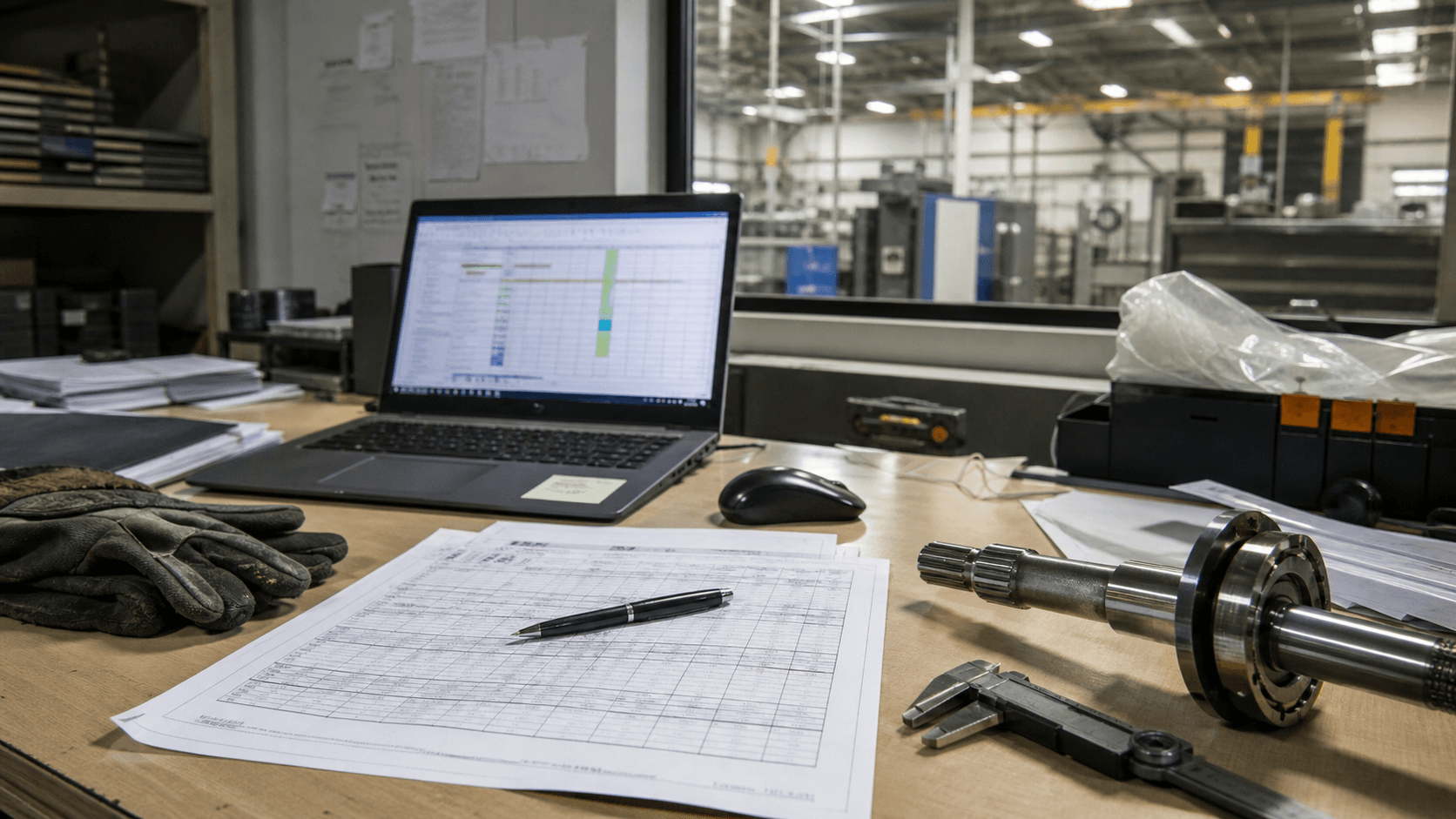
Imagine a planning desk at a supplier office on Tuesday afternoon. The spreadsheet is not asking whether the Silverado brand is strong. It is asking how many assemblies are complete, how many salaried workers can keep output moving, how much buffer sits at Flint, and when a normal production schedule becomes a daily exception meeting.
That is the hidden finance point: operational slack is a form of margin insurance.
##Where The Margin Pressure Shows Up
GM's own filing already shows why this is not a harmless sideshow.
In its 2025 annual report, GM said North America EBIT-adjusted fell to $10.45 billion from $14.53 billion, and that cost pressure included about $3.0 billion of increased material and freight costs. The company also pointed to favorable pricing and mix as offsets.
That is the truck equation in one paragraph: costs keep pushing, and pickups help absorb the push.
The axle strike threatens the wrong side of that equation. It does not need to destroy demand to matter. It only has to make the highest-value production schedule less predictable.
The second-order effects are not mysterious:
- GM may keep output running, but it has to spend management attention on supplier continuity.
- Dauch may preserve near-term production, but at the cost of higher labor friction and overtime complexity.
- Dealers may not feel inventory pain immediately, but scarce configurations can change pricing behavior.
- Investors may keep modeling truck strength, but the supplier wage line starts acting like a margin-risk line.
None of this means GM is suddenly broken. It means a very profitable product can still depend on a thin operating buffer.
##Who Has The Real Leverage
The uncomfortable part is that both sides can claim leverage.
Workers know the plant touches a critical product. Dauch knows GM needs stable axle flow. GM knows it is not formally the employer in the dispute, but it still owns the production risk if parts stop arriving.
#Why the supplier is not just a pass-through
Tier-one suppliers are often treated like cost pass-through machines. That is too neat.
If wages rise, the supplier can try to absorb the hit, recover it through pricing, offset it with productivity, or pressure the customer relationship. If production is interrupted, the automaker can burn inventory, reroute work, lean on salaried staff, or slow schedules.
Every path has a cost. Some costs are booked cleanly. Others show up as worse mix, expediting charges, quality risk, supplier concessions, or a less flexible launch calendar.
That is why the strike belongs in a finance feed. It is not only about hourly pay. It is about who funds resilience in a supply chain built around high-value trucks.
##What Investors Should Watch Next
The first watch item is simple: does GM keep Flint truck production normal beyond the reported supply cushion?
The second is whether the dispute stays local. A fast settlement makes this a small reminder of supplier risk. A longer standoff turns it into a test of how much bargaining power sits inside critical components that rarely get discussed until they are missing.
The third is language. If GM, Dauch, or the union starts talking less about bargaining principles and more about continuity, inventory, quality, or customer schedules, the story has moved from labor theater to operating risk.
The market likes to talk about autos as a technology transition, an EV transition, or a rate-sensitive consumer purchase. All true.
But sometimes the cleaner test is more physical. A profitable pickup business still has to wait for the axle rack.
#FAQ
What happened at the Dauch/American Axle plant?
UAW workers struck the Three Rivers, Michigan axle plant after contract talks failed. Reuters reported on June 2, 2026 that negotiations had not resumed and that the plant supports GM pickup production.
Why does this matter for GM investors?
GM's Silverado and Sierra trucks are central to its U.S. profit story. A supplier disruption does not have to collapse demand to matter; it can pressure production timing, mix, expediting costs, and management attention.
Is this mainly a labor story or a supply-chain story?
It is both, but the Gainbrief angle is supply-chain finance. The strike tests who pays for resilience when a critical supplier, a high-margin vehicle line, and a worker wage dispute meet at the same production schedule.