Goldman's Humain Mandate Puts AI Data Centers In The Credit Committee

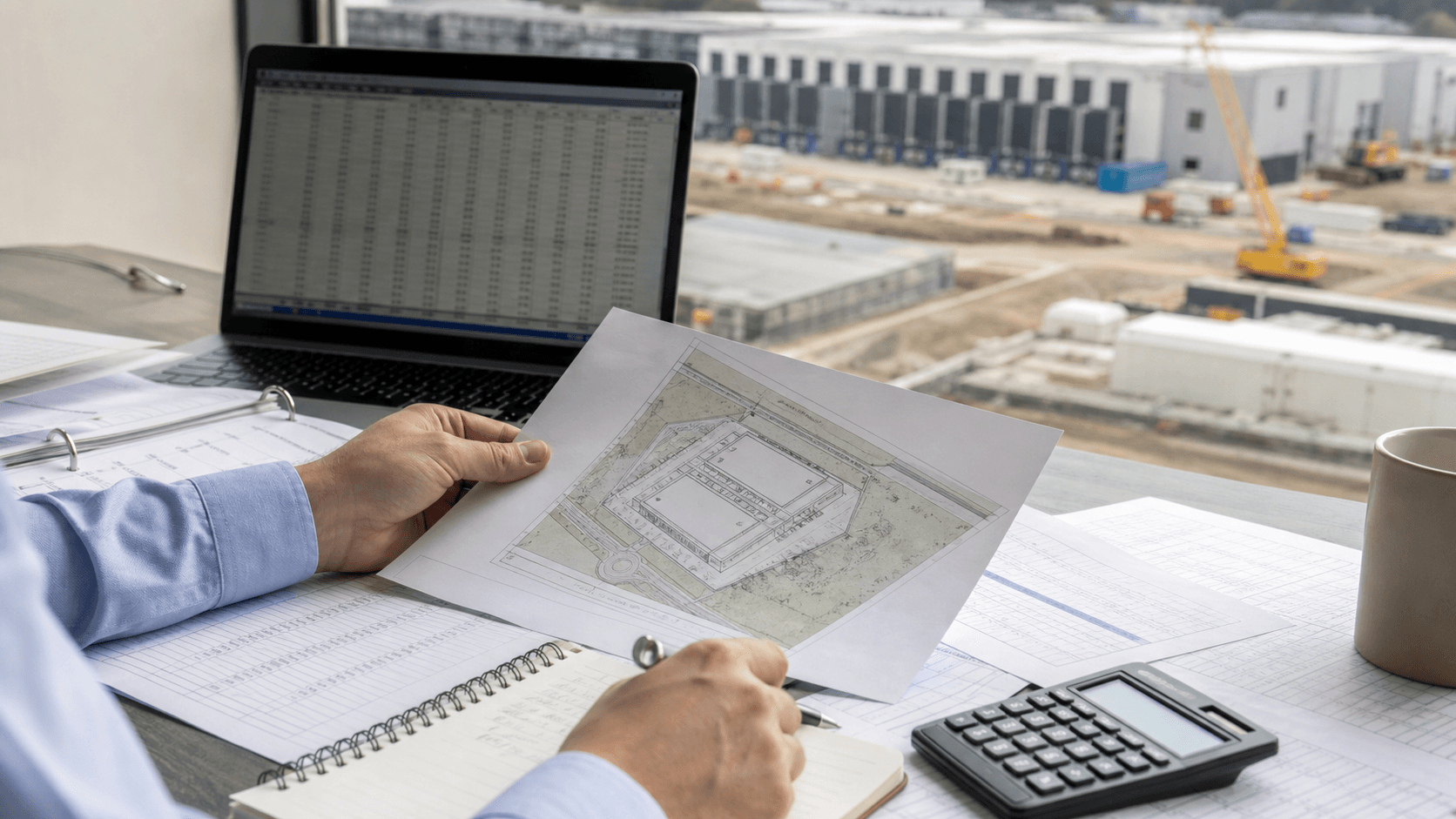
TL;DR: Goldman Sachs is reportedly advising Saudi AI company Humain on financing a large data-center buildout, and that is the more useful signal than another headline about AI chips. The AI infrastructure story is moving into credit committees, power contracts, leases, and construction-risk underwriting. Investors should watch who can finance usable capacity, not just who announces the biggest GPU ambition.
##What Goldman Sachs Is Really Being Asked To Finance
The latest AI-infrastructure headline sounds like a familiar race for compute. Humain, the Saudi AI company backed by the Public Investment Fund, is working with Goldman Sachs on a financing package that could be worth at least 20 billion riyals, according to Reuters reporting carried by Investing.com.
That is not just a bank winning advisory work. It is a sign that AI capacity is becoming a project-finance problem.
The financing is aimed at data centers and GPU chips for 2 gigawatts of capacity, roughly one-third of Humain's target through 2034, according to the same Reuters report. The commercial question is no longer whether governments, cloud companies, and chip suppliers want more capacity. They do.
The harder question is who carries the balance sheet while that capacity is being built.
##Why The Financing Desk Matters More Than The Press Release
The casual version of the AI buildout is simple: buy Nvidia chips, build data centers, sell compute.
The real version has more handoffs:
- A land site has to become a permitted facility.
- A utility connection has to become reliable power.
- A chip allocation has to arrive on schedule.
- A customer contract has to be firm enough for lenders.
- A sovereign or corporate sponsor has to decide how much risk stays on its own balance sheet.
That is where Goldman matters. A bank mandate turns a growth story into a stack of term sheets.
#The hidden cost is timing risk
A data center does not become financeable simply because demand for AI is loud. Lenders and infrastructure investors care about delays, power availability, cooling requirements, tenant credit, equipment concentration, and whether the sponsor can keep funding the project if markets tighten.
This is why the AI infrastructure boom is starting to look less like software and more like energy, telecom towers, or logistics real estate.
The asset is physical. The cash flow is contractual. The risk sits in the gap between announcement and operation.
##Where The AI Capex Story Is Changing
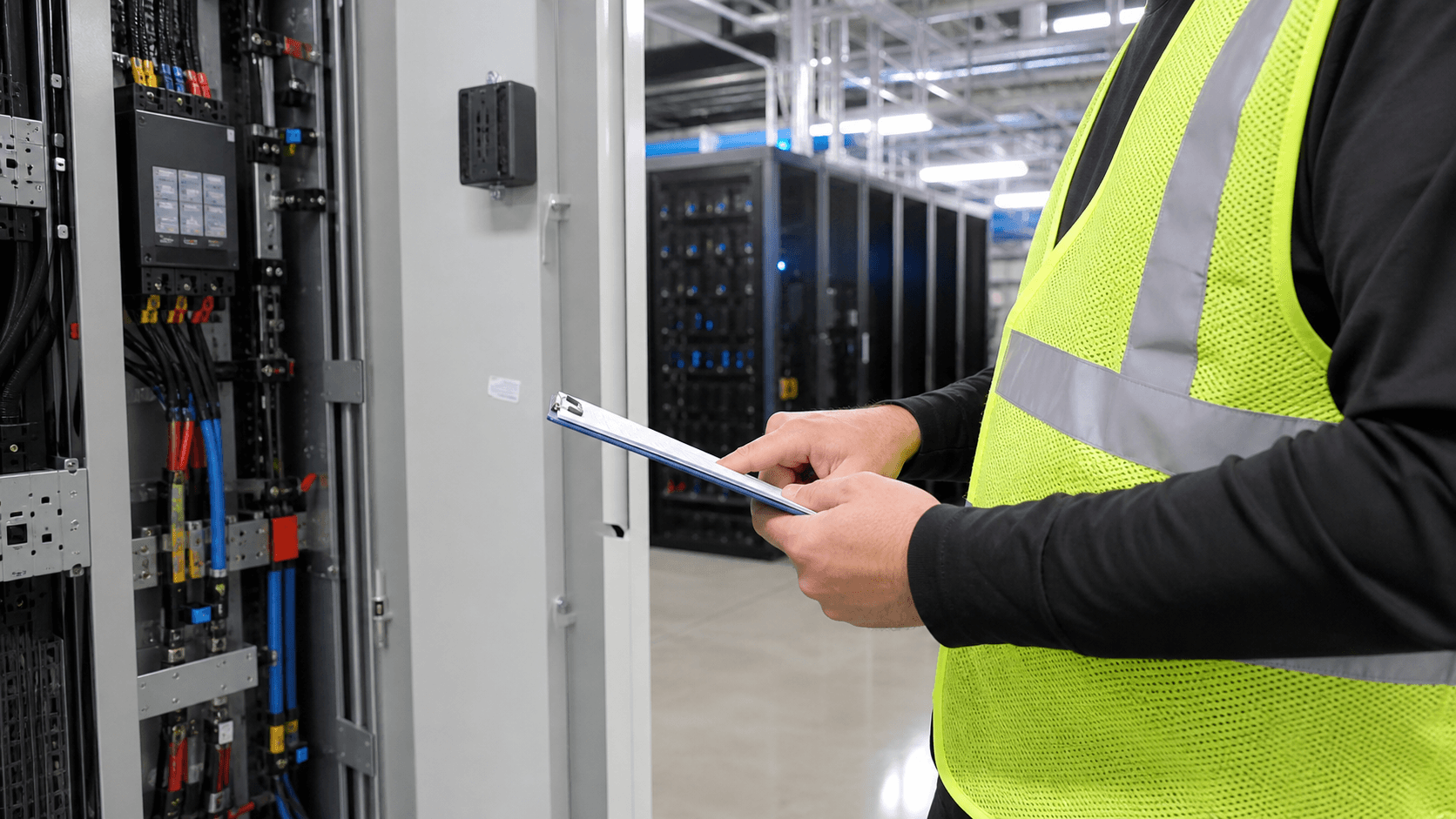
Goldman has framed the broader AI buildout as an enormous capital cycle, with its research estimating roughly $1 trillion of AI-related capex in coming years. The International Energy Agency has also warned that data centers are becoming a larger power-demand issue, saying in its Energy and AI analysis that electricity demand from data centers could more than double by 2030.
Those numbers are useful, but they can also flatten the story.
The important shift is not just that AI needs more money. It is that the money has to be matched to infrastructure assets with different risk profiles.
A hyperscaler can fund part of the race from operating cash flow. A sovereign-backed AI company may bring political capital and strategic urgency. A private infrastructure investor wants contracted returns. A bank wants fees, financing takeout options, and enough diligence to avoid owning a stalled project in spirit, even if not on paper.
That creates a much more selective market than the broad AI trade suggests.
#Power is becoming the underwriting variable
The credit file for an AI data center is going to spend less time admiring model benchmarks and more time asking boring questions.
Can the site get enough power? Is the grid upgrade funded? Who pays for interconnection delay? Are GPUs committed before the building is ready? Does the anchor tenant absorb price risk, or does the owner?
Those questions decide whether AI capacity becomes revenue or stranded capex.
##Who Wins If AI Capacity Becomes Infrastructure Finance
The obvious winners are chip suppliers and cloud platforms. That is already well understood.
The less obvious winners are the firms that sit between demand and steel in the ground: infrastructure banks, power developers, data-center operators, cooling suppliers, equipment financiers, and landlords with sites that can actually be energized.
For investors, that means the AI infrastructure trade is splitting into two lanes.
One lane is about technology scarcity: chips, networking, memory, model training, and cloud platforms.
The other lane is about execution scarcity: power, permits, construction, leases, financing, and customer credit.
Humain's financing process belongs in the second lane. It is a test of whether sovereign ambition can be turned into a financeable asset base without relying only on the sponsor's strategic balance sheet.
##Why This Is A Better Signal Than Another AI Spending Number
The market loves giant AI spending estimates because they are easy to repeat. The credit committee does not get paid for repeating them.
It gets paid to ask who is obligated to pay when the spreadsheet stops being theoretical.
That is the useful takeaway from Goldman's Humain mandate. The AI boom is leaving the investor deck and entering the infrastructure file.
The next edge may not be identifying who wants more compute. Everybody wants more compute.
The edge is seeing which projects can survive the lease, power, and financing questions before the server racks arrive.
#FAQ
Why does Goldman Sachs advising Humain matter?
It shows that AI infrastructure is becoming a financing and underwriting story, not only a technology-demand story. Large data centers need capital structures that can handle construction timing, power access, tenant contracts, and sponsor risk.
Is this mainly a Saudi Arabia story?
Saudi Arabia is the visible sponsor here, but the mechanism is global. AI capacity is forcing governments, cloud companies, banks, utilities, and infrastructure investors to decide who funds physical compute capacity before the revenue fully arrives.
What should investors watch next?
Watch power availability, customer contracts, financing terms, and construction timelines. Those details will separate real AI infrastructure assets from announcements that are large but still financially unfinished.