American Airlines Puts Loyalty Behind the Upgrade Button

TL;DR: American Airlines is not just charging more for better seats. After CEO Robert Isom told Bernstein on May 27, 2026 that app-based buy-ups are becoming a major driver of performance, the sharper business point is that loyalty is being repriced at the moment of travel. The airline can turn idle premium inventory into cash, but it also risks teaching its best customers that status is no longer a promise.
##What American Airlines Is Really Selling
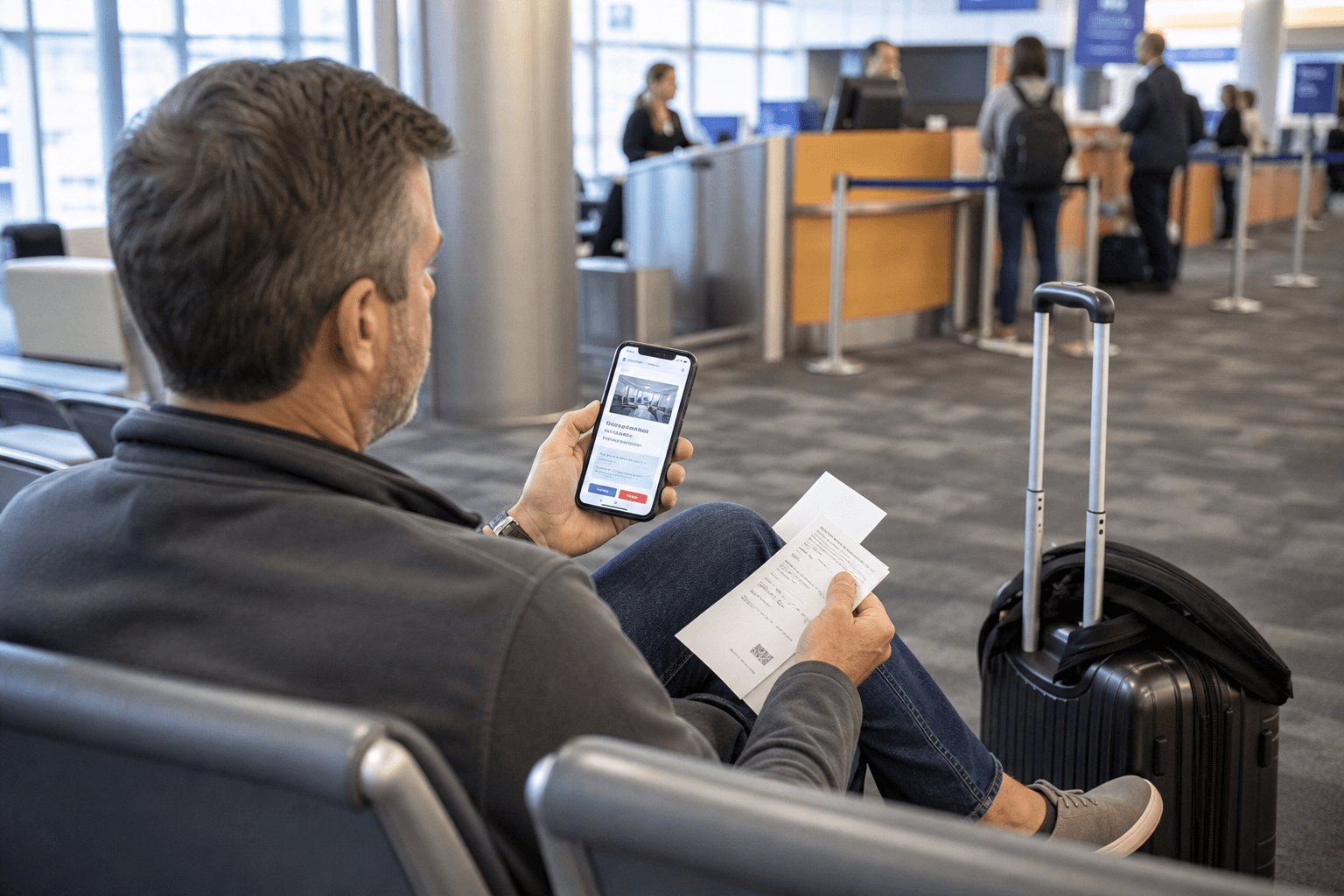
The scene is familiar now: a traveler waits at the gate, opens the airline app, and sees an offer to move up front for a price that feels just low enough to consider.
That little screen is becoming one of the most important retail shelves in the airline business.
At Bernstein's 42nd Annual Strategic Decisions Conference on May 27, American Airlines CEO Robert Isom said the company has improved the in-app buy-up experience and is seeing traction from customers paying for more premium travel. He framed the app as a better way to show what is available and why paying more may be worth it.
That sounds like a product upgrade. It is really a margin tool.
##Why The Upgrade Screen Matters To Investors
Airlines have always sold inventory with a clock running. A first-class seat that leaves empty is gone forever. A first-class seat given away to an elite member may build loyalty, but it does not create incremental cash on that flight.
American's new logic is simple: if the app can put the offer in front of a traveler at the right time, a seat that used to be a loyalty reward becomes a small transaction.
The hidden change is not just price. It is timing.
#The margin moves from the fare page to the trip
The old airline sales moment was the booking screen. The newer one is the journey itself: seat choice, bags, upgrade offers, boarding order, lounge access, and disruption tools.
American said in its May 20 conference announcement that it serves more than 200 million customers annually. That scale matters because even small changes in attach rate can become real money when the offer appears inside a habit customers already use.
The airline app is no longer just a boarding pass holder. It is a checkout aisle.
##Where Loyalty Gets More Complicated
This is where the investor story gets interesting.
American's AAdvantage program is not a side project. In its 2025 Form 10-K, American disclosed $6.2 billion of cash payments from co-branded credit card and other partners in 2025, up from $6.1 billion in 2024.
That money is why loyalty is so valuable. Banks, cardholders, business travelers, and leisure customers all feed into the same ecosystem.
But the more American monetizes premium seats at the last minute, the more it has to manage a delicate tradeoff:
- Paid upgrades create incremental revenue on seats that might otherwise clear for free.
- Elite members may start treating status as less valuable if upgrades feel permanently out of reach.
- Credit card partners benefit from loyalty engagement, but they also need the reward promise to feel credible.
- Revenue managers can optimize the cabin, but customer trust is harder to model than seat inventory.
The risk is not that travelers dislike paying. Travelers already pay for convenience. The risk is that American blurs the line between a loyalty benefit and a retail offer until the loyalty benefit stops doing its job.
#The credit-card flywheel depends on belief
A co-branded airline card is not just a payment product. It sells the idea that today's spending buys tomorrow's better trip.
If the better trip increasingly requires another payment at the gate, the program can still work, but the emotional math changes. The customer is no longer earning a path to the front cabin. The customer is earning a chance to be marketed to more precisely.
That can be profitable. It can also make loyalty feel more transactional.
##Who Benefits From The New Upgrade Market
The immediate winners are American and its revenue-management team.
A paid buy-up lets the airline capture money from travelers who would not have bought first class at the original fare but will pay a smaller amount once the trip is close. Corporate travelers are a good example. If policy covers premium economy but not business class, the employee can use personal money or miles to improve the trip.
That is a cleaner business mechanism than simply raising fares. It segments willingness to pay after the base ticket is already sold.
For investors, the question is whether this becomes durable premium revenue or just a short-term squeeze on loyal customers. Those are not the same thing.
Durable premium revenue means travelers feel the product is worth paying for again. A squeeze means customers pay because they have no better option this time, then rethink the airline, the card, or the route next time.
##What The Market May Be Missing
The easy take is that American is copying Delta and United in selling more premium cabin inventory. That is true enough, but too shallow.
The more useful take is that American is turning loyalty from a status ladder into a marketplace. Status still matters, but the app now sits between the customer and the reward, constantly asking whether the airline should sell the seat instead.
That is a powerful place to stand, financially. It is also a dangerous place to overuse.
American's best outcome is not "no more free upgrades." It is a cleaner split: reward the customers whose loyalty creates long-term value, and sell the leftover premium inventory without making the program feel hollow.
The app can optimize a cabin. It cannot, by itself, explain to a frequent flyer why loyalty just became another checkout button.
#FAQ
Why does this matter for American Airlines investors?
Paid upgrade offers can lift premium revenue without requiring every customer to buy a premium fare upfront. The investor risk is that the same tactic may reduce the perceived value of elite status and co-branded card spending.
Is this only an American Airlines issue?
No. U.S. network airlines have broadly pushed toward more paid premium seating and better digital merchandising. American matters here because its CEO recently tied app-based buy-ups directly to revenue performance and customer choice.
What is the key business mechanism?
American is moving more monetization into the travel workflow after the ticket is sold. That lets the airline segment customers by willingness to pay closer to departure, but it also puts pressure on the loyalty promise that helped create the demand in the first place.