Nvidia's New Windows Push Turns AI Into a Controlled Budget Line

TL;DR: Nvidia's June 1, 2026 Windows push looks like a PC story on the surface. It is really a budget-routing story. By launching DGX Station for Windows with support for local models of up to 1 trillion parameters and RTX Spark systems for Windows laptops and small desktops, Nvidia is trying to move part of enterprise AI demand out of the cloud bill and into a more controllable equipment-and-software spend.
The overlooked point is that many companies do not need "AI everywhere." They need a few agents to run all day inside ordinary workflows without sending sensitive data across half the internet. That makes the sale less about gadget excitement and more about cost predictability, data custody, and approval friction.
#The Desk Is the Real Market
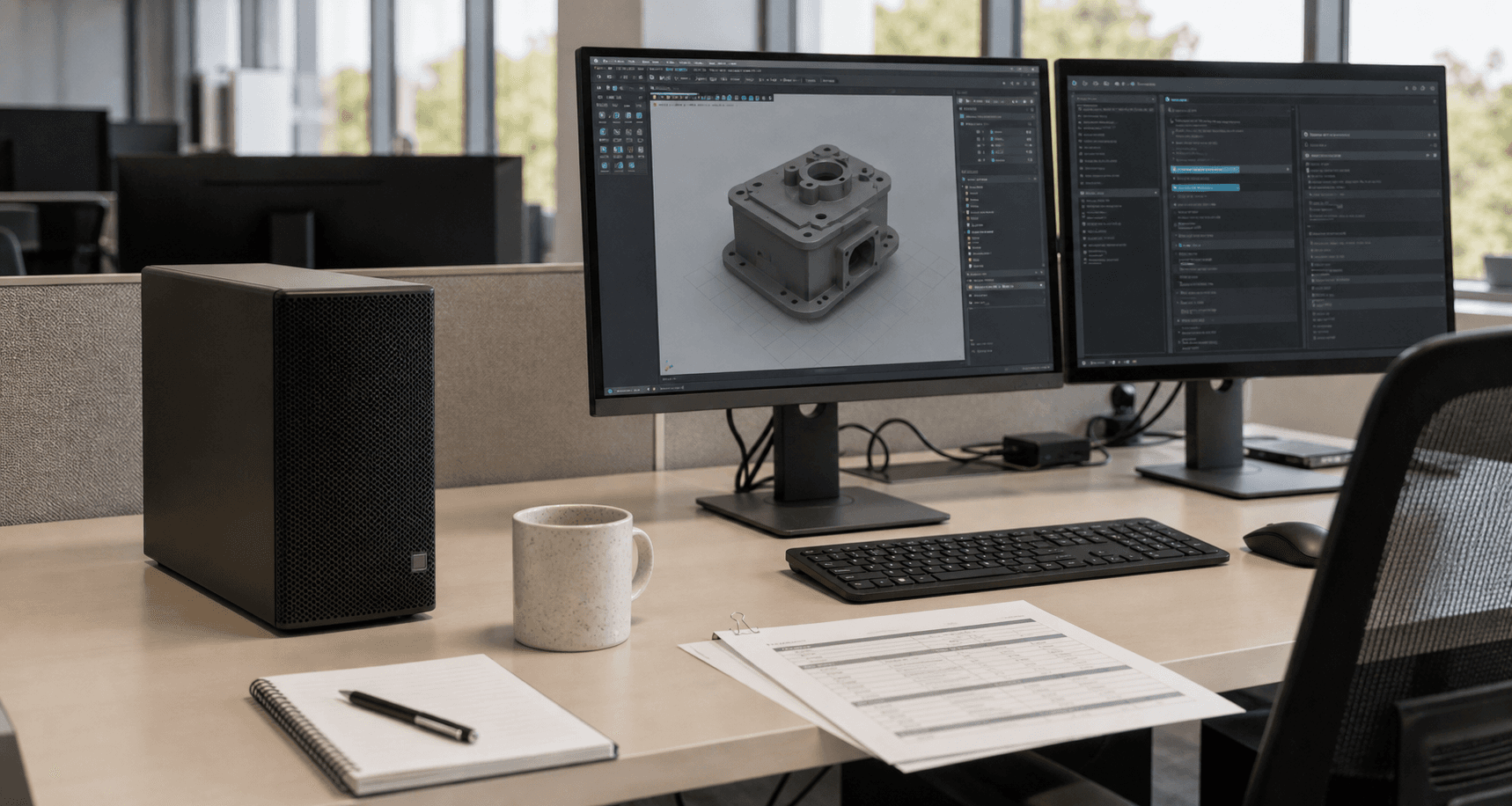
Picture the buyer Nvidia actually wants. It is not a gamer lining up for a new laptop. It is an engineering manager with a local prototype to run, a compliance team asking where the model touches internal files, and a finance lead who would rather sign off on a machine than watch another open-ended usage meter.
That is why the June 1 package matters. Nvidia said DGX Station for Windows can run frontier models locally at the desk, while Microsoft said RTX Spark is being built into a new Windows chapter aimed at creators, developers, and AI workloads on personal machines rather than only in remote infrastructure. This is a push to make local AI feel operationally normal, not experimental.
#Why the Cloud Bill Became the Opening
Cloud AI won the first phase because it was fast to start. It is starting to lose its monopoly on convenience because convenience changes once a workload becomes constant.
If an enterprise team uses an agent occasionally, usage pricing is fine. If that same team wants an always-on assistant inside a design app, an internal support console, or a document workflow, the conversation changes:
- finance starts asking whether the monthly bill will drift
- security starts asking where prompts, files, and outputs live
- IT starts asking which workflows break if the network path slows down
Those are not technical side questions. They are buying questions.
#From Metered Usage to Owned Capacity
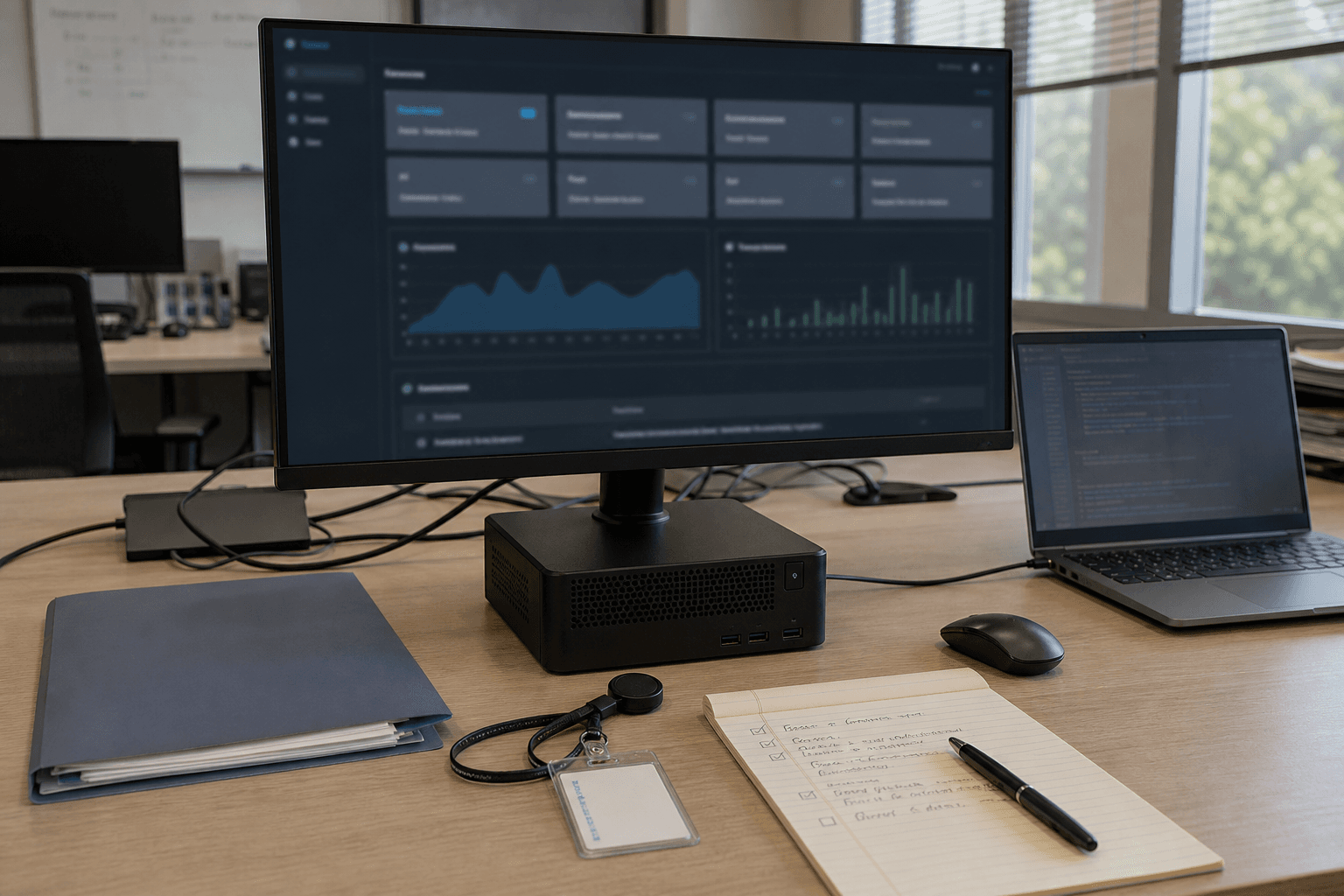
Nvidia's bet is that a meaningful slice of AI demand is ready to be bought like capacity instead of rented like utility power. A deskside box or premium Windows machine will not replace the hyperscalers, but it can absorb the high-frequency, high-sensitivity workloads that companies hate sending into an endlessly spinning invoice.
That is why this launch is more important than the usual AI PC hype. The point is not that every office worker suddenly needs a superchip. The point is that the budget owner now has another lane. Some AI spending can move from volatile operating expense into a more legible hardware, platform, and refresh cycle.
#Governance Is Part of the Product
Microsoft's Windows framing matters here. The company is not just attaching Nvidia silicon to a prettier device story. It is giving local AI a familiar operating-system wrapper, which is exactly what large organizations need before they trust agents inside ordinary work.
That wrapper lowers organizational resistance. A local agent inside the Windows estate feels easier to govern than another vendor dashboard with a separate data path, separate billing logic, and separate policy fight.
#What Nvidia Is Really Selling
Nvidia is obviously still selling chips. But the more interesting move is that it is trying to capture where agent workflows live.
If developers build around local Windows-connected Nvidia machines, Nvidia does not just win the silicon line item. It gets pulled into:
- workflow design
- enterprise software integration
- model deployment standards
- refresh-cycle planning
That is a better business than waiting for hyperscalers to place the next massive order. It broadens the demand base from giant AI budgets to thousands of smaller departmental approvals.
#The Missed Second-Order Bet
Casual readers will call this a new PC cycle. That is too small.
The sharper interpretation is that Nvidia and Microsoft are trying to normalize a hybrid AI stack where the cloud handles scale, but the desk handles persistence, privacy, and everyday workflow proximity. If that works, the next important AI budget debate inside companies will not be "which model?" It will be "which workloads stay local because that is cheaper and easier to control?"
That is how a flashy product launch turns into a business-model shift. Nvidia is not only extending AI to more screens. It is trying to change which cost center gets the invoice.
#FAQ
Why is local AI financially interesting if cloud remains cheaper at scale?
Because many enterprise workloads are not bought on theoretical unit economics alone. They are bought on predictability, governance, and whether a team can run a recurring workflow without a usage bill that keeps changing.
Does this mean the cloud AI trade is over?
No. It means the market is segmenting. The cloud will still dominate elastic heavy lifting, while local AI becomes more attractive for persistent, sensitive, or tightly embedded workflows.