Nexans' Republic Wire Deal Puts America's Power Buildout at the Supply Counter

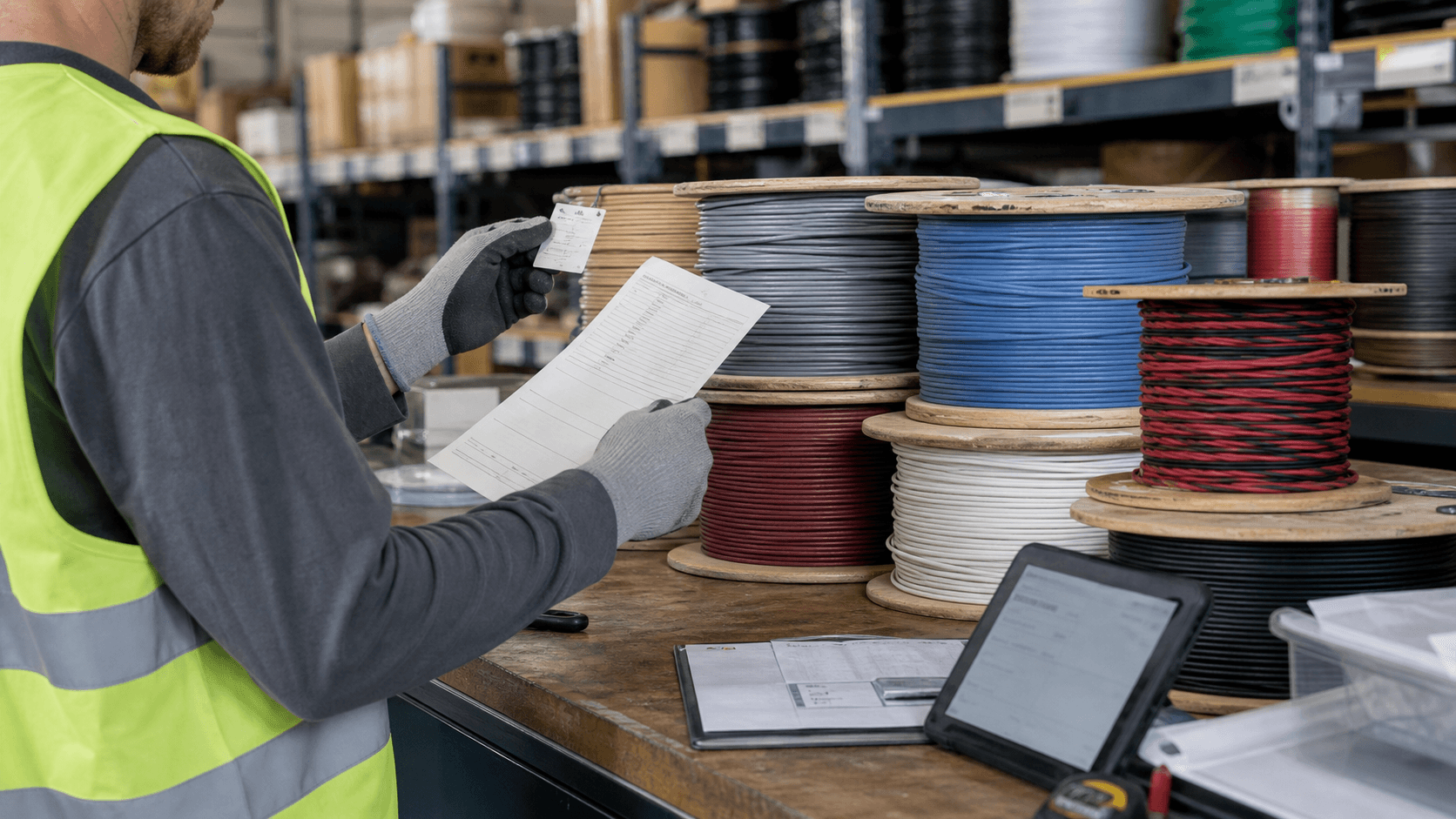
TL;DR: Nexans completed its Republic Wire acquisition on June 1, giving the French cable group a larger U.S. low-voltage wire platform just as data centers, commercial buildings, utilities, and electrification projects are fighting over the same boring materials. The financial point is simple: in the AI-power trade, the bottleneck is not only megawatts. It is also the contractor supply desk where wire, warehouse capacity, distributor relationships, and delivery reliability decide whether a project can actually move.
##What Nexans Actually Bought
Nexans said it completed the acquisition of 100% of Republic Wire on June 1, adding a Cincinnati-based maker of low-voltage copper and aluminum wire that sells through electrical wholesale distributors, utilities, and municipalities across the United States and Canada.
That sounds small beside the usual AI infrastructure vocabulary: GPUs, power plants, hyperscale leases, fiber routes.
It is not small if you are the person trying to turn an approved electrical plan into a finished building.
Republic Wire gives Nexans a U.S. manufacturing and distribution base in the kind of product category that disappears into the ceiling, the panel room, and the contractor's purchase order. The wire is not the story investors want to tell at a conference. It is the item that can make a schedule slip when everyone assumes the physical layer will be available.
##Why Low-Voltage Wire Is Becoming Strategic
The earlier deal release said Republic Wire generated about EUR520 million of revenue in the 12 months through February 2026 and that the transaction valued the business at about EUR680 million before a possible earn-out.
The more useful number is the market Nexans is chasing. The company described the U.S. low-voltage segment as roughly EUR12 billion, driven by residential, commercial, and data center expansion.
That is the hidden layer of the electrification trade.
Investors keep looking for the cleanest way to buy AI power demand. They usually land on utilities, independent power producers, gas turbines, grid equipment, or data-center landlords. Those are real lanes. But every megawatt also creates a shopping list of lower-status materials:
- building wire and cable
- switchgear-adjacent electrical components
- warehouse slots and delivery windows
- distributor relationships
- contractor labor that can install the material on time
The value migrates toward whoever can make that list less fragile.
#The Project Manager's Version of the Story
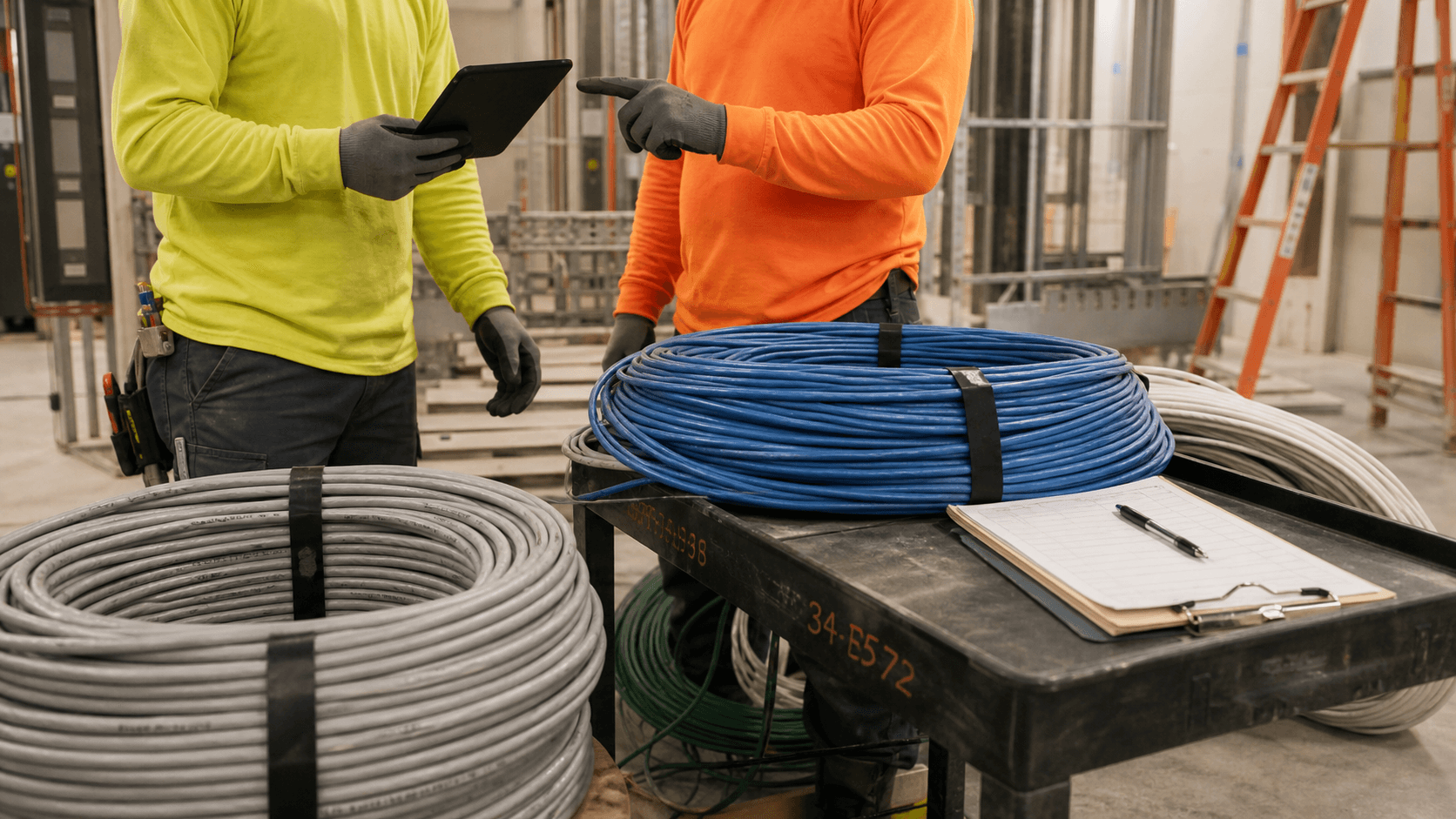
Picture a commercial electrical contractor standing at a supply counter, not a hedge fund analyst staring at a capex chart.
The drawings are approved. The customer wants the handoff date protected. The utility conversation is already tense. Now the contractor needs the right wire, in the right quantities, with delivery reliable enough that crews are not standing around waiting for a partial shipment.
That is where Republic Wire matters. A local industrial platform and a North American distributor network do not make the AI boom more exciting. They make it more executable.
##Where The Financial Mechanism Sits
Nexans is not buying a software multiple story. It is buying route density, manufacturing capacity, and channel access.
The company said Republic Wire has a 32.5 thousand square meter manufacturing facility, a newly completed 30 thousand square meter warehouse and distribution center, more than 200 employees, and an expansion program that should lift production capacity by roughly 30% when fully online by the end of 2026.
That mix matters because wire is a working-capital business as much as a demand story. The winners have to finance inventory, keep distributors supplied, protect margins when metal prices move, and still show customers that orders will arrive when construction schedules require them.
#Why The Synergy Number Is Less Boring Than It Looks
Nexans guided to about EUR23 million of run-rate synergies within three years, with the deal expected to be immediately EPS accretive before synergies.
On its face, that is standard acquisition language. The sharper reading is that Nexans thinks Republic Wire can become a cross-selling and manufacturing base, not just a standalone U.S. revenue line.
If Nexans can push medium-voltage, grid solutions, purchasing scale, and manufacturing know-how through Republic Wire's distributor relationships, the acquisition becomes a North American platform. If it cannot, it is just a fairly priced cable deal in a hot category.
That is the actual underwriting question.
##Who Should Care
This is not only a Nexans shareholder story.
U.S. utilities care because distribution-level bottlenecks turn abstract load growth into queue delays and local service problems. Electrical distributors care because product availability becomes a competitive weapon when contractors cannot afford missed installation windows.
Data-center developers should care because power availability is already a board-level issue. The U.S. Energy Information Administration expects commercial electricity demand, a category that includes data centers, to grow faster than residential demand in 2026 and 2027 in its Short-Term Energy Outlook.
But the most practical stakeholder may be the building owner or tenant who never thinks about wire. Their cost is not only the price of materials. Their cost is the delay when material, labor, and utility coordination stop lining up.
##What The Market May Be Missing
The casual take is that Nexans bought more U.S. exposure because electrification is growing.
The better take is that electrification is forcing industrial companies to own more of the local handoff. Global demand is nice, but a U.S. project does not get finished by a global theme. It gets finished by a manufacturing site, a warehouse, a distributor, and a contractor who can get product when the crew is scheduled.
That is why Republic Wire is more interesting than the headline suggests. It turns a broad macro idea into something specific enough to ship.
The AI infrastructure boom has made power famous. The next constraint may be much less glamorous: the ordinary wire order that decides whether the room is ready for power at all.
#FAQ
Why did Nexans buy Republic Wire?
Nexans bought Republic Wire to expand in the U.S. low-voltage wire market, add North American manufacturing and distribution capacity, and gain better access to residential, commercial, utility, municipal, and data-center-related demand.
Is this mainly an AI data center story?
No. Data centers are one driver, but the broader issue is U.S. electrification: commercial buildings, infrastructure modernization, utility work, and distributor supply chains all need reliable low-voltage wire availability.
What is the main investor risk?
The risk is execution. Nexans has to convert Republic Wire's local platform into real cross-selling, purchasing scale, and manufacturing benefits while managing working capital, metal-cost exposure, and construction-cycle demand.