Prime Day Is Turning Into Amazon's Grocery Frequency Engine

TL;DR: Amazon's decision to move Prime Day to June 23-26 looks like a calendar tweak. It is really a business-model tell. Amazon is using its biggest shopping event to train Prime members to buy more groceries and household basics through its fast-delivery network, not just to hunt for discounted electronics once a summer.
That matters because the harder retail game now is not winning one giant basket. It is owning the replenishment loop. Amazon already says half of all items delivered same-day or next-day to U.S. Prime members in 2025 were groceries and everyday essentials. Prime Day moving forward on the calendar makes more sense if the company wants June cookouts, World Cup watch parties, and pantry restocks to feel like Amazon occasions too.
#The Date Change Is The Strategy
The easy read is that Amazon wanted to avoid the 2026 FIFA World Cup and the July 4 shopping crush. That is true, but it is not the interesting part.
The interesting part is what Amazon told Reuters it expects customers to buy: not only TVs and gadgets, but perishable groceries and everyday essentials for those gatherings. That is a different kind of Prime Day. It is less a digital Black Friday and more a membership habit drill.
If that mix keeps shifting, Prime Day stops being a seasonal marketing spike and starts acting like a customer-acquisition and behavior-shaping tool for the most boring, highest-frequency part of retail.
#Amazon Is Quietly Rebuilding Prime Around Repetition
Amazon's own disclosures show how far the model has moved.
In August 2025, the company said it had added same-day perishable grocery delivery to more than 1,000 U.S. cities and towns. By May 2026, Amazon said that footprint had expanded to more than 2,300 cities and towns, and that in those markets nine of the top ten bestselling same-day items were perishables.
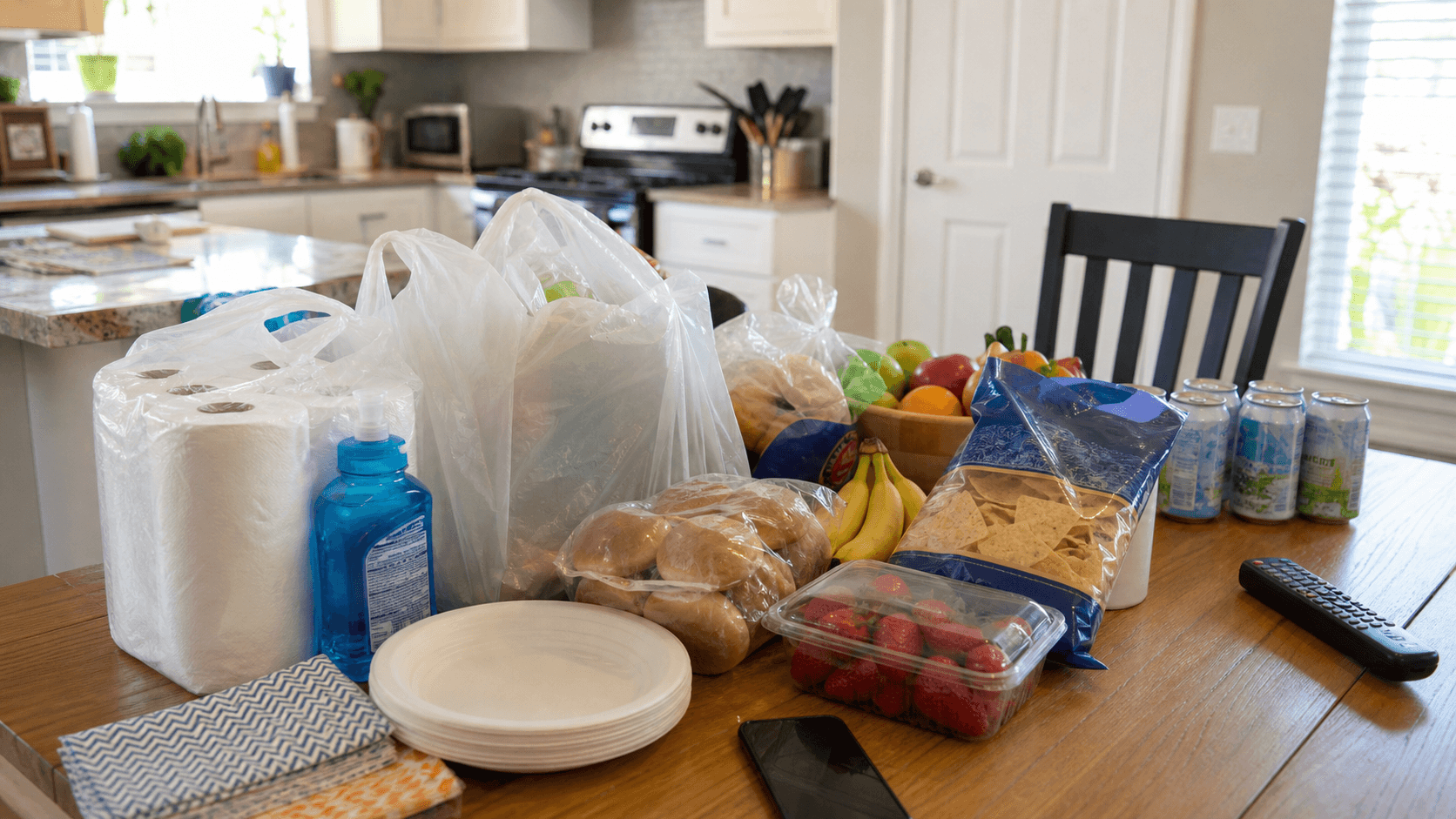
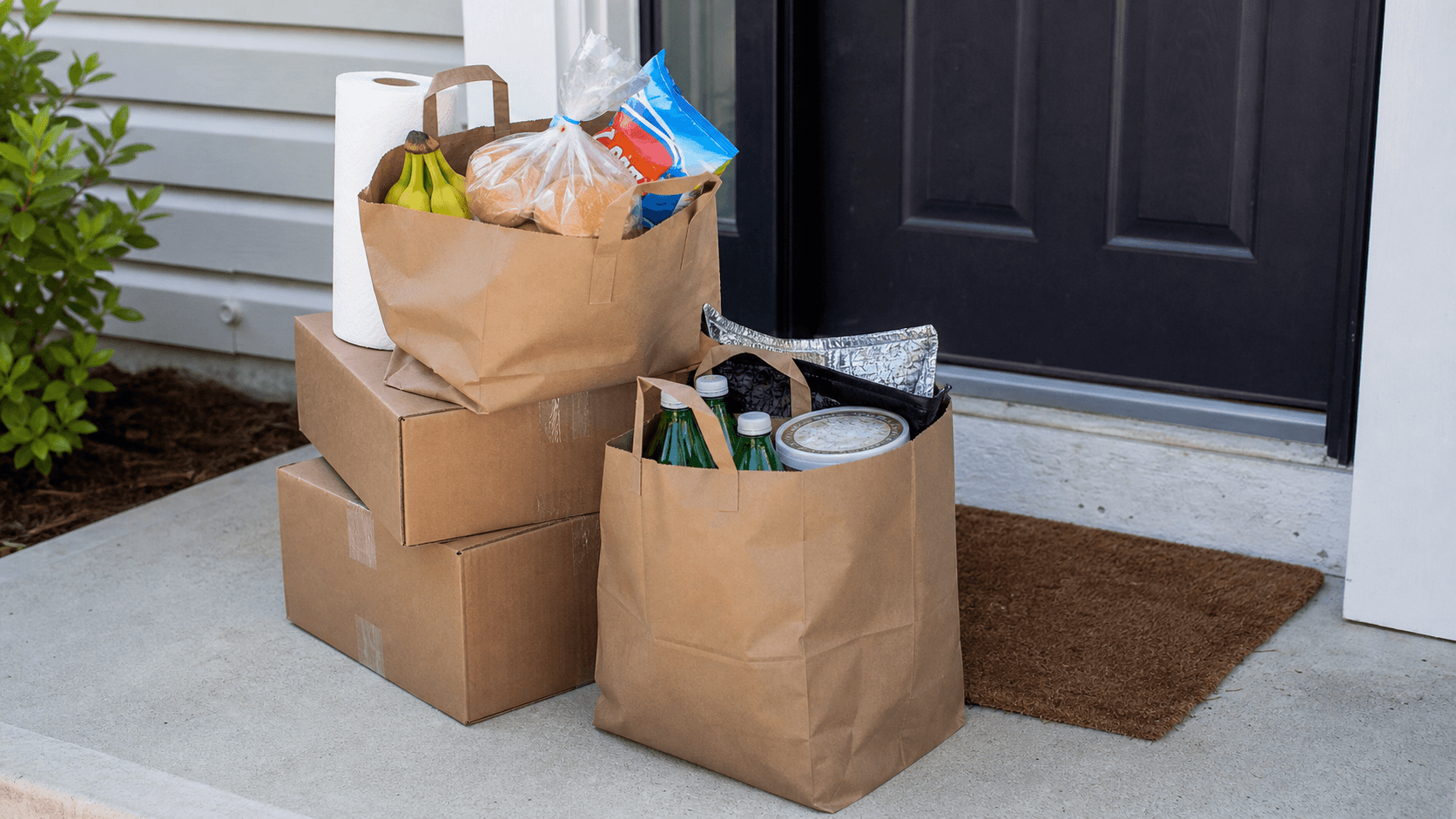
That is the scene worth picturing: not a flashy Prime Day landing page, but a doorstep with bananas, paper towels, frozen treats, and burger buns arriving a few hours before friends come over to watch a match.
Retail investors still talk about Amazon as if the central question is cloud margins on one side and discretionary e-commerce share on the other. The company is trying to make a third category feel ordinary: groceries and daily basics delivered fast enough that the customer stops planning around a weekly stock-up trip.
#Why this matters more than a one-week sales pop
High-frequency categories change the economics of a membership program. A shopper buying headphones once a year is useful. A shopper ordering fruit, drinks, cleaning supplies, and batteries several times a month is much more valuable because the habit is harder to break.
That habit also gives Amazon more permission to sell other things around it.
Once the customer opens the app for milk and chips, Amazon gets more low-cost chances to pitch summer gear, kitchen tools, party supplies, streaming bundles, pharmacy, or ads. The order may start with groceries, but the business value sits in traffic recurrence.
#Walmart Is The Real Shadow In This Story
Reuters noted that Walmart+ same-day delivery has been taking e-commerce share, especially as delivery under three hours became a bigger part of Walmart's pitch. That is why Prime Day's timing matters.
Amazon is not just defending a promotion. It is defending the idea that Prime should be the first membership customers think about when they need something today.
That is a tougher battle than winning holiday electronics searches.
Walmart starts with grocery traffic and adds memberships, media, and convenience on top. Amazon started with digital convenience and is trying to harden it into a grocery routine. Both companies are moving toward the same destination from opposite directions.
#The real contest is over who owns the errand
Owning the errand is better than owning the splurge.
An errand happens whether the economy is booming or softening. Families still need snacks, detergent, produce, and last-minute party supplies. If Prime Day can make Amazon feel natural in that workflow, the event becomes less cyclical than investors assume.
It also gives Amazon a cleaner answer to a question hanging over big retail platforms: where does the next increment of loyalty come from when everyone already offers discounts, free shipping, and a broad catalog?
The answer may be simple. Loyalty comes from being the easiest place to solve tonight, not the most exciting place to browse next month.
#What Investors Usually Miss
The common mistake is to read Prime Day as a revenue event and then argue over whether June versus July pulls demand forward by a few weeks.
That debate is too small.
The bigger issue is whether Amazon can use the event to deepen customer dependence on its physical delivery network at the exact moment when same-day grocery coverage is widening and everyday essentials are already becoming a larger share of the basket.
If that works, Prime becomes less like a shopping subscription and more like household infrastructure.
That would mean:
- Prime Day matters less as a discount festival and more as a behavior-reset button.
- Grocery and essentials volume matters more than headline gadget buzz.
- The real competitive comparison is not department stores. It is Walmart's claim on routine spending.
- A better Prime model can support advertising, marketplace fees, and cross-category upsell without needing every category to look heroic on its own.
That is why the date change is worth noticing. Amazon did not just move a sale. It moved its loudest marketing moment closer to the part of retail that customers repeat the most.
#FAQ
Why did Amazon move Prime Day to June 2026?
Amazon told Reuters the June 23-26 timing reflected the World Cup and the 250th anniversary of U.S. independence, but the product mix it highlighted suggests a bigger push into groceries and everyday essentials.
Is this mainly bullish for Amazon's grocery business?
Partly, but the broader point is membership behavior. Grocery frequency can strengthen Prime's economics even when the individual items carry lower glamour than electronics.
Why is Walmart important to this story?
Because Walmart already owns a large share of routine grocery traffic in the U.S. If Amazon wants Prime to become a daily habit rather than a periodic perk, Walmart is the benchmark it has to dislodge.